How to Make Homemade Food When You Don’t Have Time
I love cooking from scratch, but I still have to find time for it between homeschooling, working from home, and keeping the house reasonably clean. I used to hate that feeling when it was almost dinner time and I still had no idea what exactly we were going to eat.
Over the years, I’ve tried all sorts of strategies for making homemade food work with my life, even during our busiest seasons. There are plenty of healthy, from-scratch meals you can get on the table in 20 or 30 minutes, as well as simple routines that make meal prep much easier.
These days, I work about 20 hours a week from home, homeschool three kids (while the toddler tries her best to distract us all), and still manage to make all our meals from scratch without making myself miserable in the process. In fact, I can honestly say that I enjoy making food and feeding my little people.
So, if you’re wondering how to make homemade food when you don’t have time, here’s what works for me—and how you can make it work for you, too.
Choose Simple Recipes
When you’re in a busy season of life (which will likely last until your kids grow up…), stick to recipes with just a few ingredients (six or seven at most) and very little hands-on time. The important distinction here is active cooking time versus total cooking time.
A whole chicken or pot roast might take quite a while to cook in the oven, but they’re both great options for busy days because there’s very little work involved. You can simply rub the meat with spices, put it in the oven, and get on with something else. You can even do the prep the night before. Then all you need to do is get some potatoes or rice ready to go with it.
Some of my favorite simple meals are stir-fries, fried rice, stews, soups, and baked potatoes with toppings. Because I make these meals often, I always have the ingredients on hand, and I can practically make them with my eyes closed.
We often have a tendency to overcomplicate things, especially when we’re trying to make homemade food feel more interesting. But simple food can taste just as good as a gourmet meal—and it takes far less effort to get on the table. (Plus kids don’t care about gourmet anyway.)
Cook Once, Eat Twice (Or More)
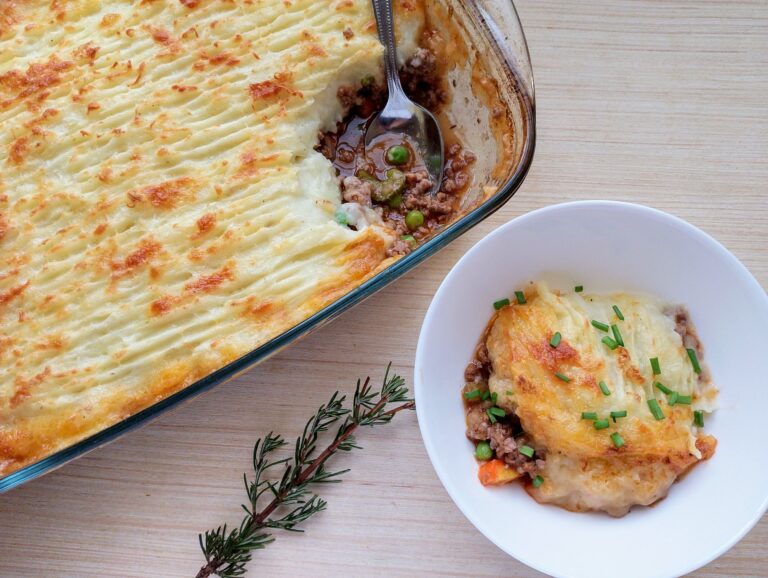
This is something I talk about a lot because it saves me a TON of time. I almost never make dinner for just one day. Usually, I make a larger batch that will last us for two or three dinners.
If you know you’ll be busy tomorrow, cook enough today to have leftovers for the next day. It doesn’t take much longer to cook two chickens instead of one. You could eat one today with roast potatoes, then shred the second one for pot pie or tacos tomorrow.
When I make a large pot of pasta sauce with ground beef, we might have it with spaghetti today, turn it into a pasta bake tomorrow, and use any leftovers to make sloppy joes on day three. The possibilities are endless, and you’re doing most of the work just once.
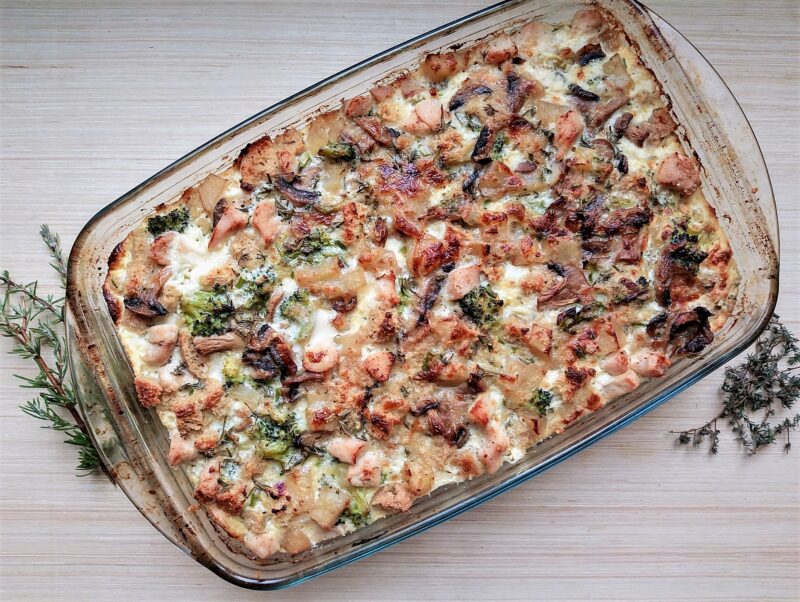
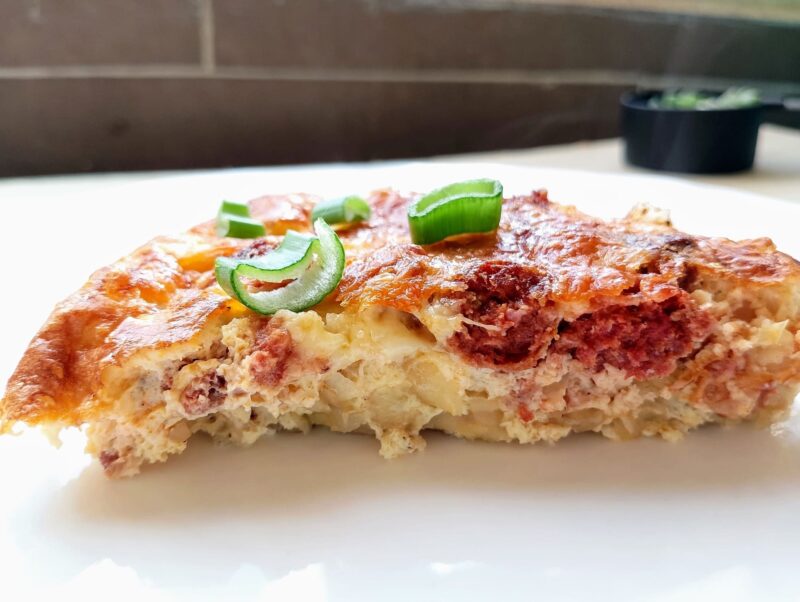
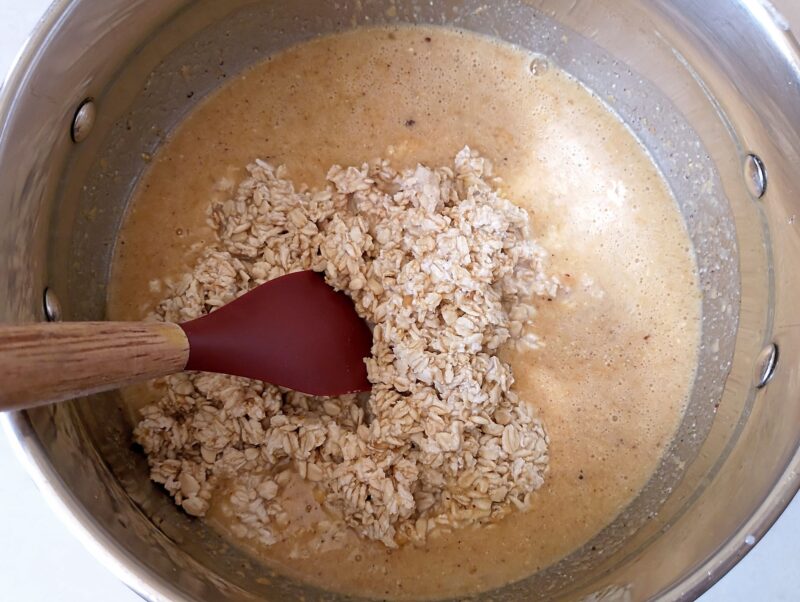
I use the same strategy for breakfast and lunch, too. Porridge is easy to make in a large batch, as are breakfast casseroles. I usually make porridge in my Instant Pot. It doesn’t necessarily save me time. It does however save me from having to stand over the stove and stir it.
Breakfast casseroles are particularly useful because they give you an easy way to use up leftovers. They’re also simple enough that one of your older kids can prep one the night before. And despite the name, we usually have them for lunch rather than breakfast!
Have ‘Building Blocks’ Foods Ready
I don’t usually meal prep complete meals from scratch. Instead, I batch-prep the ingredients I use most often—my meal “building blocks”—and then assemble meals from them.
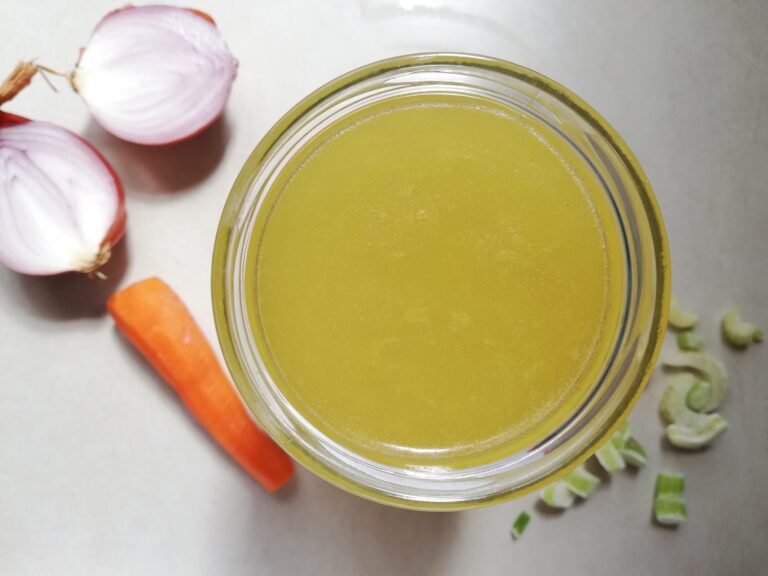
For example, I always have bone broth ready to make soups and stews. I also keep frozen shredded meat, cooked beans, bread, tortillas, and tomato sauce on hand. In the fridge, I usually have yogurt, kefir, and fermented vegetables.
Making dinner often means pulling out a few of these homemade staples, heating or combining them, and putting a meal on the table. Depending on what you like to cook, you could keep things like:
- shredded meat
- cooked ground beef
- cooked beans
- bone broth
- hard-boiled eggs
- chopped vegetables
- tomato sauce
- cooked potatoes
- frozen milk and cream
- soaked oatmeal
- frozen fruit
You don’t need to prepare everything ahead of time. Even having two or three of these building blocks ready can make a huge difference when you’re short on time. So choose a couple that you use the most and stock up.
Another helpful tip is to keep your spice and condiment cupboard well stocked. This way you can make several different versions of the same basic meal. I keep plenty of spices on hand, along with things like mayonnaise, cider vinegar, balsamic vinegar, and soy sauce. That way, I’m much less likely to find myself halfway through cooking and realize I’m missing the one ingredient I need.
Create a Meal Rotation List
The mental work of deciding what to eat is often more tiring than the cooking itself, at least for me. Once I’ve decided what we’re having the next day and taken out whatever needs to thaw, I feel like dinner is already half ready.
Having a meal rotation list removes a lot of the decision-making from dinner prep. You could create a weekly rotation such as:
- Monday: soup + bread
- Toesday: roast meat + potatoes
- Wednesday: leftover roast meat + pita breads
- Thursday: tacos
- Friday: pizza
Or, if you don’t want to tie yourself to specific days, make a list of 20–30 meals your family enjoys. Work your way through the list, then start again at number one when you reach the end.
Won’t you get bored eating the same things over and over? I don’t think you’ll get tired of having pot roast just because you ate it four weeks ago. That’s why I like having 20–30 meals on the list rather than just 10.
And you don’t even have to make the exact same meal every time. “Tacos” on your rotation list could mean bean tacos one month and shredded chicken tacos the next. Roast meat could alternate between chicken, beef, turkey, or duck. It’s up to you how specific you want to be with your list.
A meal rotation isn’t meant to dictate exactly what you have to eat. It simply gives you an anchor for what to cook each day. You can still choose based on what you have available, what’s in season, or what you feel like eating.
Another benefit is that these are all meals you’ve made many times before. You already know how to make them, so you can cook without thinking too hard or checking the recipe every few minutes. That’s much faster and easier than trying a new recipe when you’re already short on time.
Keep Emergency Meals
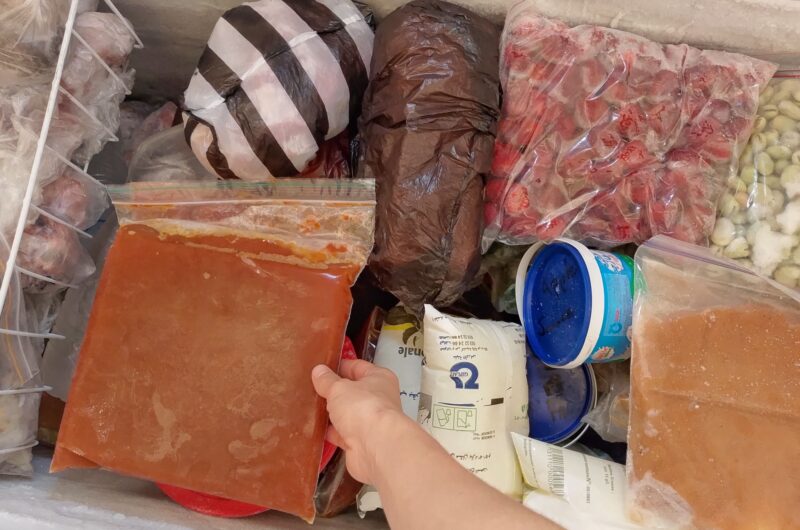
I keep a few emergency options in my chest freezer for those days when cooking just isn’t going to happen. If you’re a canner, you could also can a few homemade meals in jars to have on hand for busy days.
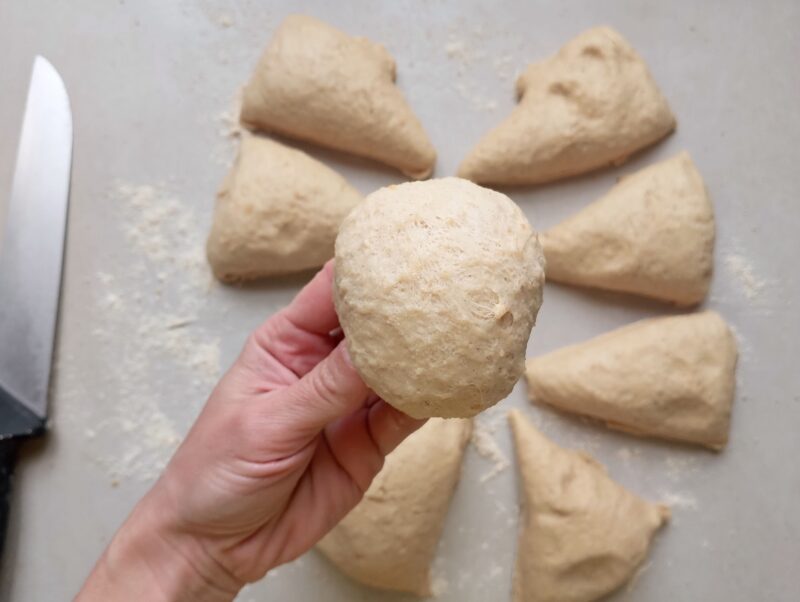
You can make your own convenience foods and keep them ready for those times when you really don’t have time to cook. These could be things like homemade burger buns, pizza dough, prepared pizza toppings, baked potatoes, tortillas, sloppy joe filling, or shredded chicken.
Whenever I bake bread, pizza dough, or buns, I make extra and put some in the freezer. I do the same with meat and beans. It doesn’t take much longer to cook a large batch of baked beans, for example, and then freeze half in meal-sized portions.
I try to freeze things in portions that will defrost quickly and are easy to grab when I need them. That way, instead of reaching for packaged convenience food or starting dinner from scratch when I’m already tired of everything and everybody, I can pull something homemade out of the freezer and have dinner on the table with very little work.
Use Small Pockets of Time
While you’re waiting for your tea to boil, take some meat out of the freezer to thaw for tomorrow’s dinner. While you’re cleaning up after breakfast, put some beans on to soak. When you feel like you don’t have time, use the dregs of time that you DO have.
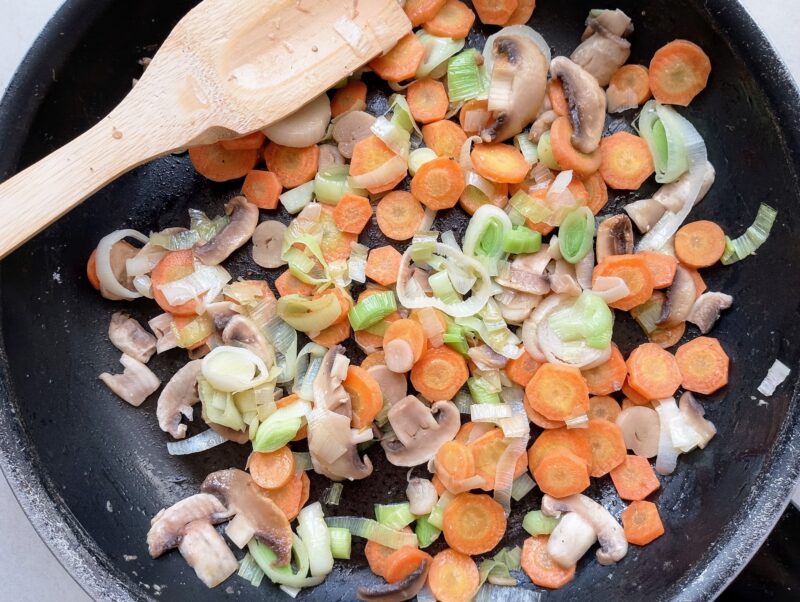
A few minutes here and there can add up to quite a lot of work getting done. While you’re already in the kitchen browning meat or stirring vegetables in a pan, mix up a casserole for tomorrow’s breakfast or start a batch of yogurt in your Instant Pot.
Whenever I’m prepping a meal or cleaning up after one, I’m constantly thinking, “What else could I do while I’m here?” After a while, this becomes a habit. You start noticing all those little things you can get done without needing to set aside a dedicated time for them. You become a little OCD and a lot more productive.
If You Really Don’t Have Time
It’s normal to feel from time to time like you simply don’t have time to cook. Everyone has days when there are lots of errands to run, when everyone has a cold and sore throats, or when you’ve taken the kids to a nature reserve and everyone comes home completely worn out.
But if you feel like you never have time to cook, it might be worth taking a look at your schedule. Ask yourself: does everything on it really needs to be there? As the saying goes, if you have more than three priorities, you don’t really have any priorities.
For me, my priorities are homemaking, homeschooling, and then my blog. This is why I don’t go to the gym (I exercise at home instead) and why I don’t take the kids on outings more than once a week. There have been times when I’ve tried to fit both of those things in more often. The result was always the same: my priorities at home suffered.
Like they say in business, you have to simplify before you multiply. Or, in simpler words, getting rid of the second-best things on your calendar will make you better at your homemaking simply because you’ll have the time to DO IT RIGHT.
No matter how disciplined or productive you are, you only have 24 hours in a day, and your energy is even more limited. Sometimes the answer isn’t finding a better time-management system. It’s removing distractions, reducing outside commitments, and deciding what really matters to you.
If feeding your family homemade food is important to you, make it a priority. Keep your eyes on the long-term goal. For me, that goal is raising strong, healthy kids and nourishing them with real food. Keeping that goal in mind makes it much easier to decide what deserves my time and what doesn’t.
If you love reading my homemaking rants, subscribe to my newsletter! I write it in real time, without any AI, every Sunday, and fill it with good food, practical tips, and plenty of down-to-earth homemaking inspiration for moms like you.