Homemaking Habits That Make From-Scratch Cooking Easier
Cooking from scratch can feel like a lot of work. It has to be done day in and day out, rain or shine. There are ingredients to prepare, bone broth to strain into jars, and dishes to wash. And if your kids are anything like mine, they insist on eating three times a day…plus a bedtime snack.
But over the years, I’ve found that cooking from scratch becomes much more manageable when you support it with simple homemaking habits. Keeping your kitchen tidy, making extra, and preparing ingredients in bulk can all add up to a big difference in how overwhelmed you feel each day.
These habits make your work more streamlined. They reduce decision fatigue, help you stay organized, and make it easier to simply do the next thing. They’re what make it possible for me to cook and bake from scratch for my family of six every day.
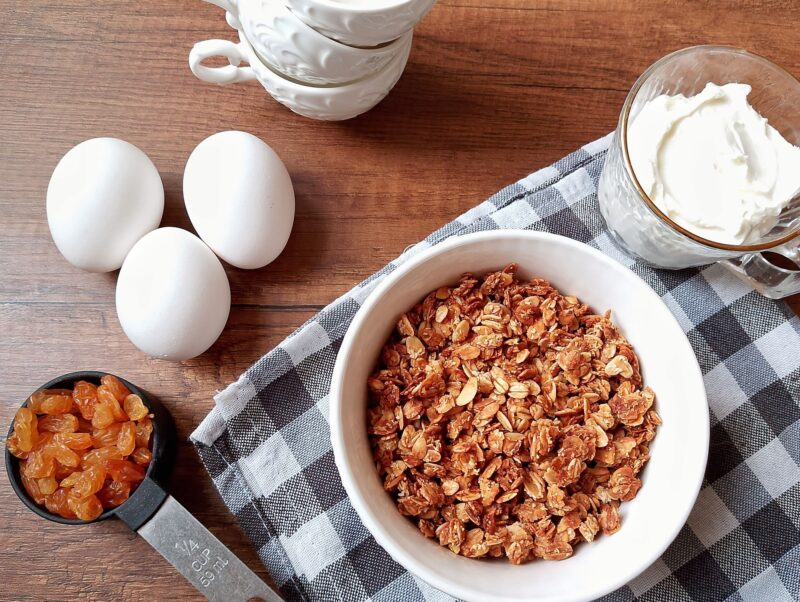
As you’ll see throughout this post, two main themes come up again and again: organization and planning ahead. For me, these make the biggest difference in keeping cooking and food prep running smoothly. Even on days when I’m juggling homeschooling and working from home, while also dealing with sibling disputes and all the other things that are simply part of being a mom.
Keep Pantry Stocked
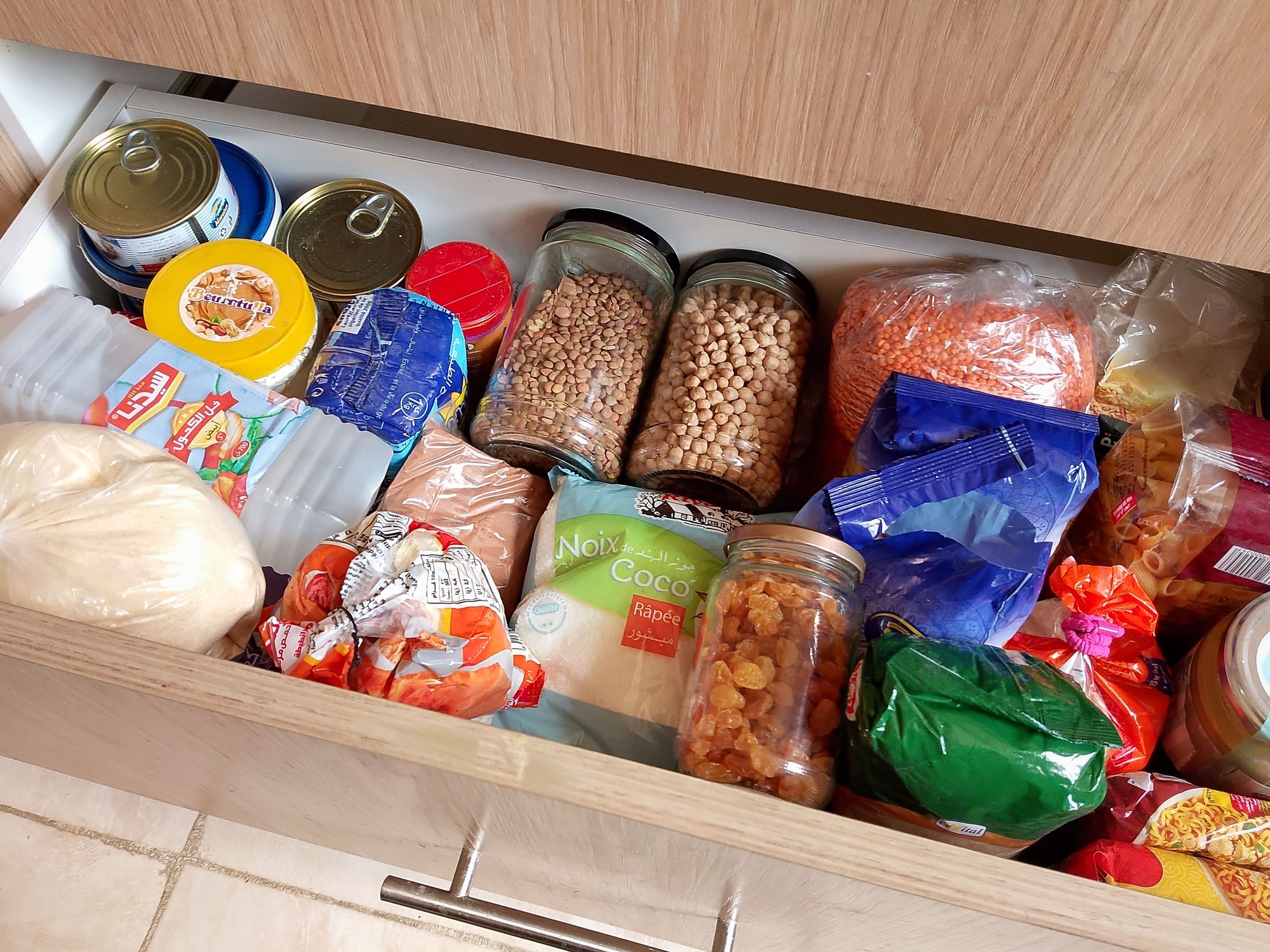
This is a really big one for me, and I have a whole post about my pantry and how I keep it stocked. One of the homemaking habits that makes the biggest difference for me is keeping a running shopping list.
Whenever I take something out of the pantry, I write it down on the shopping list. This means I rarely run out of staples. I don’t want to start mixing bread dough only to realize we’re out of salt. Or start making sandwiches and discover there’s no butter in the house.
I keep a running list on a piece of printer paper stuck to my refrigerator. There I scribble down everything we need as we use it. Once every couple of weeks, I take it down and turn it into a proper shopping list for my husband, who is responsible for the food shopping in our house.
Nothing fancy, but it’s a simple system I’ve been using for years, and it works like magic. It takes very little effort, but it saves me from having to constantly remember what we’re running low on.
Keep the Kitchen Tidy
There is nothing more uninspiring than having to cook in a messy kitchen. Okay, I didn’t say it strongly enough: cooking in a messy kitchen sucks.
If you have to clear the counters and load a pile of dirty dishes into the dishwasher before you can even start dinner prep, you’re not going to feel like making dinner. Don’t set yourself up for failure.
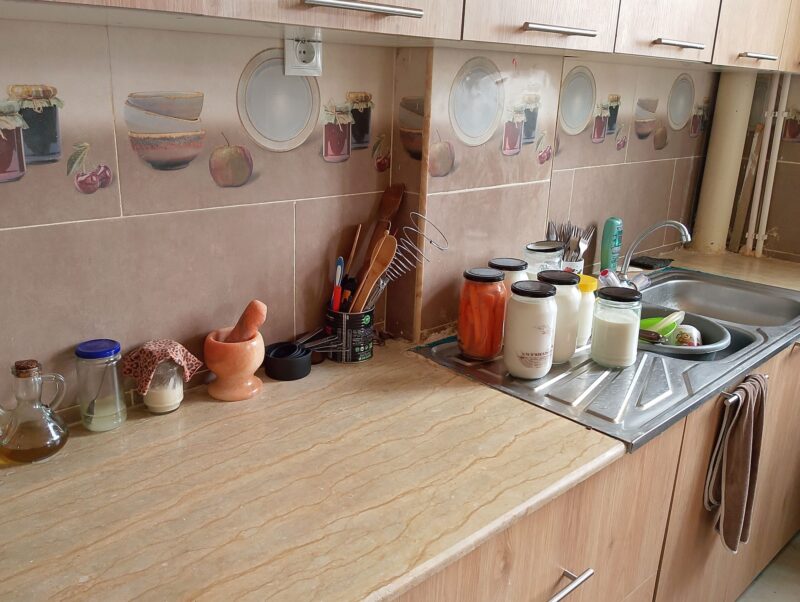
I always load the dishwasher straight after meals and wipe down all the surfaces. Actually, one of the kids who is on kitchen duty does it most of the time (more on kids’ chores later). I also put ingredients and tools away as soon as I’m finished with them.
I keep only a few essentials on the counter, such as salt, coconut oil, and sugar. This way I can maximize my limited counter space. This is especially important to me after dinner. I like to leave the kitchen spotless. I’ll even empty the dishwasher and put everything away before going to bed. That way, I can start breakfast prep right away in the morning.
I want my mornings to be as streamlined as possible so we can eat, tidy up, and get started with our homeschooling routine quickly. This helps us get all our learning done by lunchtime, instead of leaving me rushed at lunchtime trying to make food while also checking someone’s math worksheet.
Prep Ingredients Ahead
Many traditional dishes become much easier when you start preparing them before you actually need them. This is one of those simple homemaking habits that can make a big difference to how smoothly meals come together.
I usually soak beans the night before so they’re ready for whatever bean dish I want to make the next day, such as bean soup or tacos. If I want porridge for breakfast, I put rolled oats to soak before I go to bed. Not only are soaked oats easier to digest, but they also cook faster than unsoaked oats.
I also love breakfast casseroles like Amish breakfast casserole, baked oatmeal, and baked French toast because I can mix everything together in the baking dish ahead of time. In the morning, all I have to do is pop the dish into the preheated oven.
The thing I dislike most about prepping dinner is chopping vegetables, and I especially hate chopping onions (who doesn’t?). So I’ll often do it the day before. Then, when it’s time to make dinner, I’m mostly just putting ingredients together and letting them cook.
I also always thaw any meat I’ll need the day before. Browning meat ahead of time can be another big time-saver, especially when you’re cooking for a family and only have one frying pan. A little preparation ahead of time means there’s much less to do when you’re actually trying to get a meal on the table.
Batch Make Everything
I cook everything in batches, and I mean everything.
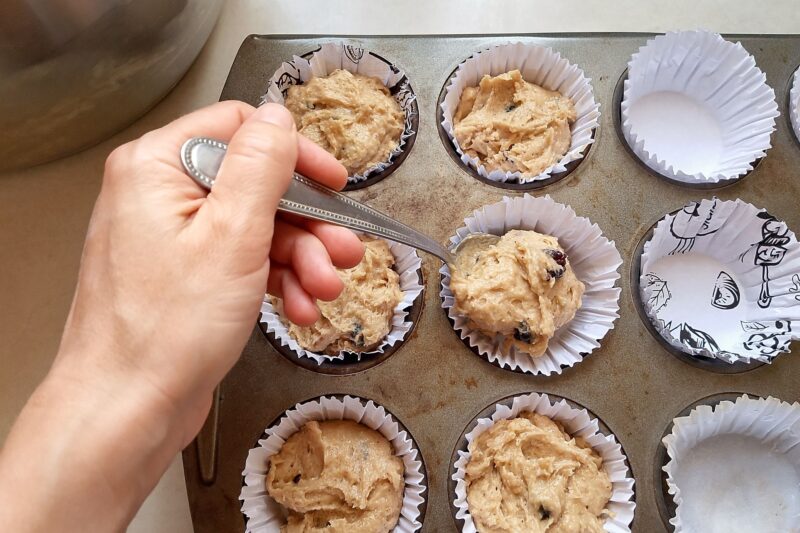
When I bake bread, I make three loaves at once. That’s how many I can fit in my small oven. That gives us enough bread for about three days, and bread freezes well and defrosts quickly. If I make pizza soup for dinner, I make extra so we’ll have leftovers for lunch the next day.
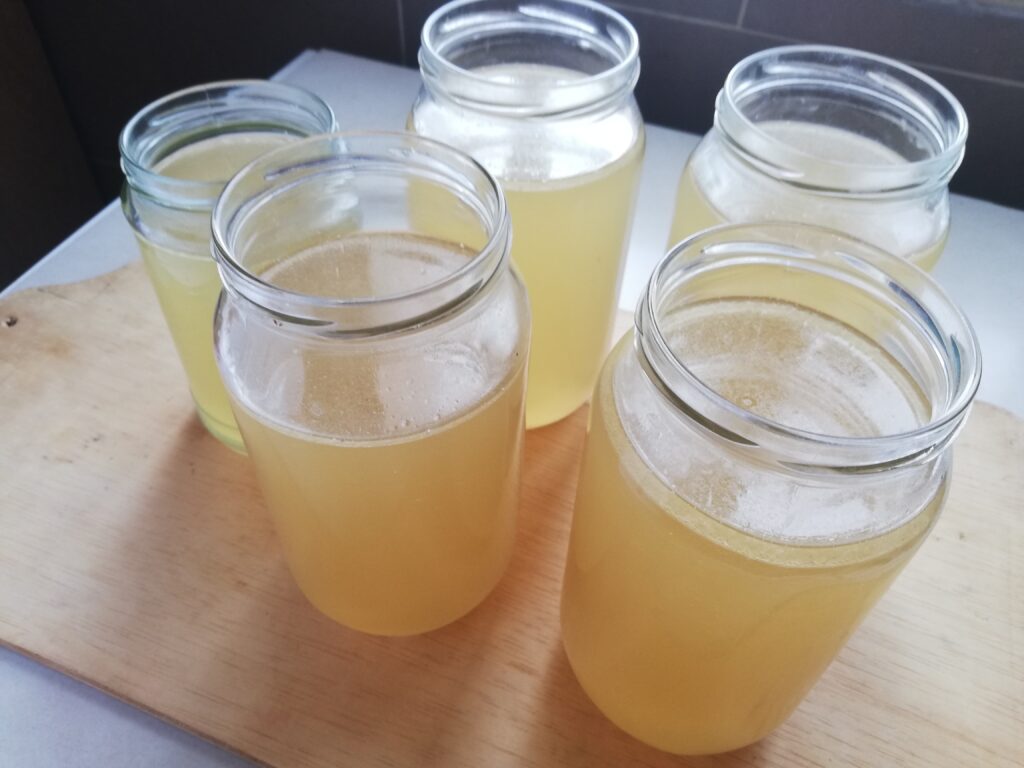
When I make kraut, I’ll chop two large heads of cabbage at once. That gives me a few large jars that can last us for a couple of months. I also make a batch of broth every week so I have it ready to use in whatever soup, stew, or sauce I want to make.
I like to cook a whole chicken in my Instant Pot and shred the meat, too. It lasts longer this way and gives me enough chicken for two or three meals when I add it to things like casseroles, tacos, or pot pie soup.
The idea is simple: I try to use every cooking session as a foundation for several meals. Instead of starting from scratch every time we need to eat, I’m constantly building up a supply of food that can be used over the next few days or weeks.
As a result, I only really cook dinner two or three times a week. The rest of the time, I’m putting together meals from things I’ve already made.
Keep the Freezer Organized
A freezer full of ingredients and prepared foods can be a lifesaver on days when you’re tired or short on time—if you can actually find what you need quickly.
This is much easier with an upright freezer with shelves and drawers, and a real pain in the butt if you have a chest freezer. Just the other day, I spent several minutes searching for some frozen pizza dough in my chest freezer. I’m sure I’ll find it next time—when I no longer need it—buried under several bags of frozen milk and some broad beans.
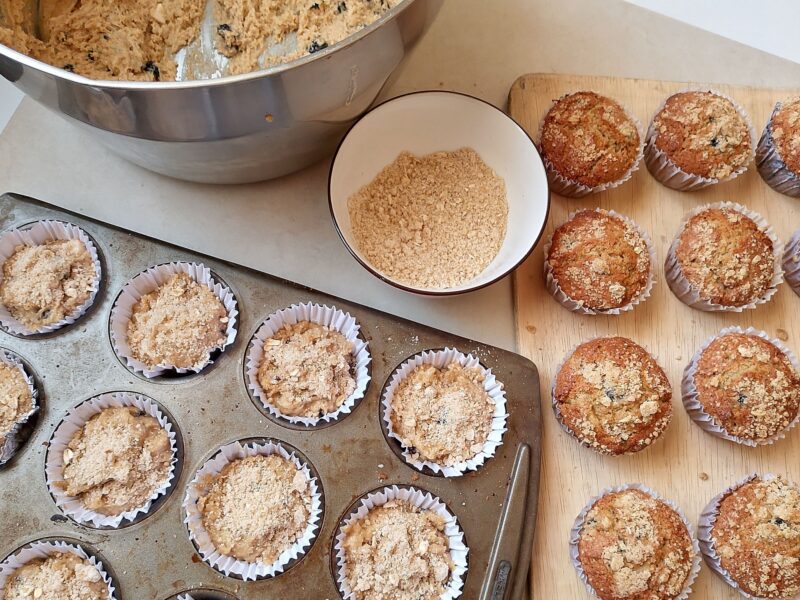
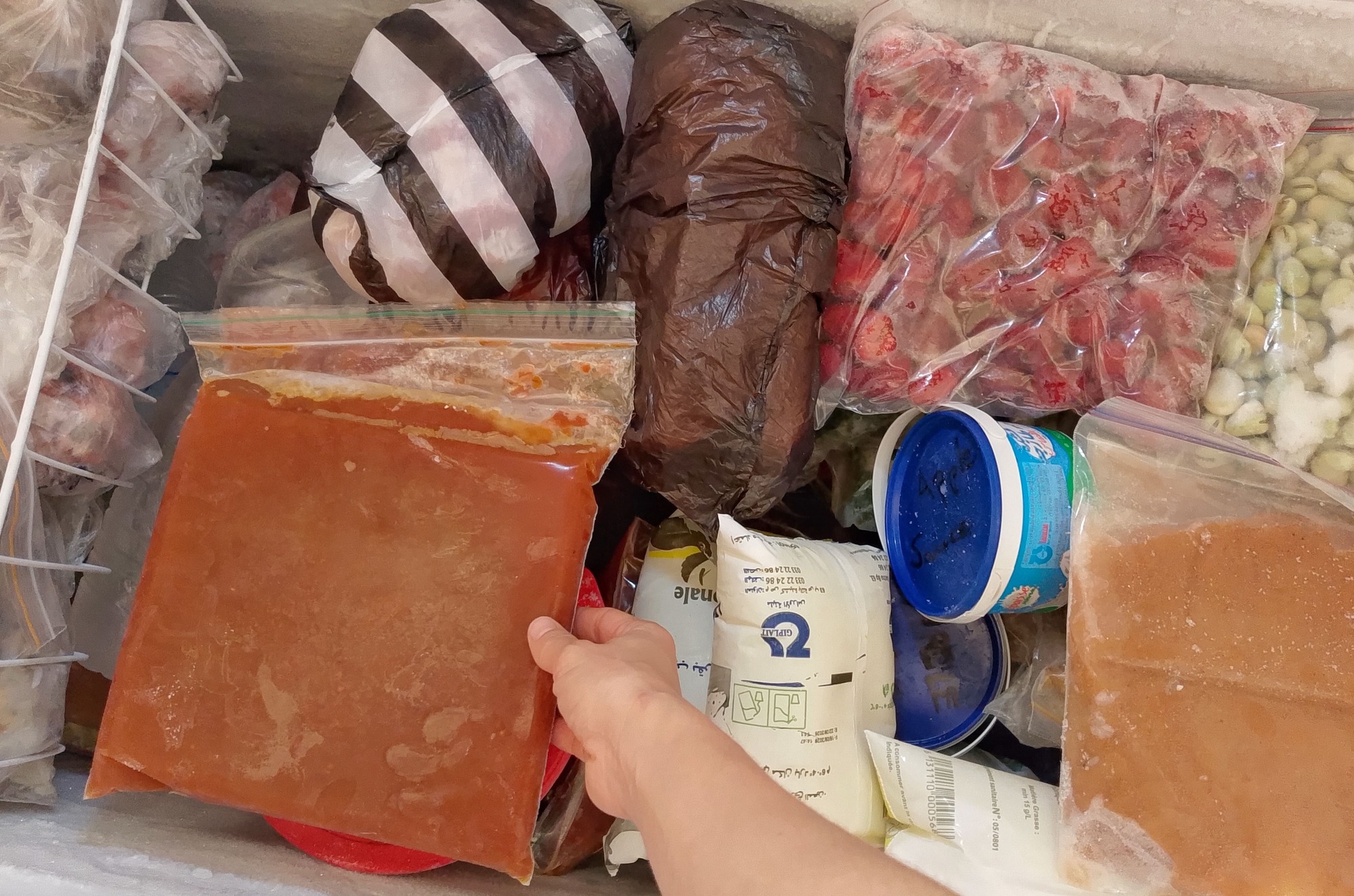
If I don’t tidy my chest freezer every month or so, it quickly becomes a liability instead of an asset. I usually divide it into several sections: meat goes on the left, tomato sauce and frozen milk in the center, and vegetables, butter, and cheese on the right. Small items like pizza dough, leftover chopped bread, and muffins go into one of the two plastic storage baskets.
Always label anything that needs labeling. And when you’re doing your weekly meal planning, take a quick look through the freezer and check what needs to be used before deciding on your meals for the week. This helps prevent food from getting forgotten at the bottom of the freezer.
I also like to keep a few emergency homemade meals in the freezer. Ideally, these should be portioned out and quick to defrost. I wouldn’t choose soup or stew for this. They can take forever to defrost because of the large volume of liquid. Things like cooked meat, meatballs, casseroles, or individual portions of prepared food are much more practical when you need a quick meal.
Check Fridge Regularly
If I don’t check the fridge for leftovers at least twice a week, I end up throwing food away because invariably something gets pushed to the back and forgotten. I try to keep the fridge reasonably tidy and store similar things together so I always know where everything is.
The top shelf is for condiments—fermented honey, mayo, homemade molasses—and butter. The middle shelf is my ferment shelf, where I keep kraut, kvass, kefir, and yogurt. Dinner leftovers have their own shelf, too.
I like to keep everything in glass jars or transparent containers so I can see at a glance what I have. This makes it much easier to remember what needs to be eaten and helps prevent food from getting forgotten.
To prevent waste, you also need to have a plan for leftovers. My default is to eat them for lunch. Sometimes one of the kids will be eating leftover fried rice, another two will have wraps, and I’ll be eating soup (my kids’ least favorite leftover!).
Some families have a designated leftovers night when everyone eats the accumulated leftovers for dinner. Choose whatever works best for your family.
There are also certain leftovers, such as old bread ends, overripe bananas, or cooked rice, that I collect in a zip-top bag in the freezer until I have enough to make something with them. Stale bread is one of the easiest things to use up. I just chop it up and turn it into bread and butter pudding or baked French toast, which everyone here loves.
The goal with your fridge setup is to know what you have so you can actually use it.
Clean As You Go
You don’t have to wash every spoon as soon as you use it. However, doing small amounts of tidying while you cook can prevent you from having to clear huge piles later.
When I’m cooking a meal, there are always moments when the meat is browning, the vegetables are sautéing, or the buns are baking, and for a few minutes I have nothing to do. Rather than scrolling on my phone (okay, I do that sometimes too), I’ll put the spices back in the cupboard, wipe the counter, put dirty dishes into the dishwasher, or set the table.
I hate having mess everywhere, and having a reasonably tidy kitchen while I cook just makes my brain happy. I’ll sometimes use those little pockets of time to do other quick jobs around the house, too. Sometimes I’ll sweep the floor, other times put away folded clothes, or scrub the bathroom sink.
I also try to put things away as soon as I’m finished with them. I’ll put my jumper back in the wardrobe rather than leaving it on a chair, return the cookbook to the bookshelf, and make sure the shoes are in the shoe rack rather than scattered around the front door.
I try to teach the kids the same habit with their things. Otherwise, there will be watercolors, puzzles, and Paw Patrol cars all over the living room floor!
It may seem a little OCD, but there’s a good reason I do it. When I sit down after dinner with a cup of tea, I can look around and see a reasonably tidy house. And because we’re constantly putting things away, our weekly house cleaning takes much less time. We don’t have to spend an hour just picking things up before we can even start scrubbing the bathroom and mopping the floors.
As a result, our two-bedroom apartment takes two hours or less to clean from top to bottom. Even with the kids doing part of the work (and getting distracted by something every few minutes).
For me, that’s the real benefit of this homemaking habit: a little effort throughout the day means much less work later.
Get Kids Involved
Yes, teaching kids to do household tasks takes time. In the beginning, you’ll need to regularly check their work to make sure they loaded the dishwasher properly or wiped the surfaces thoroughly without leaving breadcrumbs under the table. But eventually, they learn—and they start making your work much easier.
I also want my kids to develop the habit of tidying up after themselves. I don’t want to be constantly cleaning up their messes. Even toddlers can help with small tasks, and if they have older siblings who already do chores, they’ll insist on helping, too.
My toddler especially loves helping to unload the cutlery from the dishwasher and fold laundry. Does she do it properly? No. But she’s learning habits that will serve her for the rest of her life.
Her older sisters have cleanup duties after meals. They also help with some cooking tasks and the weekly house cleaning. It takes time to teach children how to do these things, but I see it as an investment. The more capable they become, the less I have to do myself. And the more capable they become of looking after themselves and their home.
Spending the time to teach your kids household tasks and giving them regular chores really pays off as they get older. My oldest two are now 14 and 11, and when I’m ill, they can keep the house running more or less smoothly for a day or two.
Teaching my kids homemaking skills is part of my job as a mom. I’m teaching them the skills they’ll need to become good homemakers in their adult life.

Divide Tasks Between Days
Trying to cram too much into one day is something I regularly do. I have a tendency to be an overachiever. The usual result is that everything does get done, but I end up stressed and edgy—and not very nice to be around.
Don’t do this to yourself or your family.
If you’re a stay-at-home mom, you probably chose to stay home to have more time with your kids. Being constantly busy can be counterproductive to that goal. Homemaking isn’t about seeing how much you can squeeze into every single day.
Instead, you can assign different tasks to different days of the week. Or you can develop a regular rhythm for when you do them. I almost always cook enough dinner for two days at a time, which means that every other day I don’t have to make dinner.
That gives me extra time in the afternoon to do things like quickly check and tidy the fridge to see what needs using up, fold laundry, soak some oats or beans for future meals, or print math worksheets.
Since we homeschool during the week, I use weekend mornings for some of my batch food prep for the week ahead. I’ll mix and bake several loaves of bread, buns, or tortillas, put chicken stock on to cook in my Instant Pot, make yogurt, and take care of any other jobs that will make the week easier.
You don’t have to do everything every day. Spreading your homemaking tasks throughout the week gives you breathing room. It makes it much easier to keep up with everything without feeling like you’re on a homemaking hamster wheel.
Build Habits That Support Your Kitchen
One of my favorite quotes about habits is this one, commonly attributed to Aristotle:
“We are what we repeatedly do. Excellence, therefore, is not an act, but a habit.”
You don’t become better at this homemaking gig not by doing something big and difficult once. You do it by building small habits that make your work easier. And in the process, you become better and better at what you do.
I am by no means a perfect homemaker, but when I look back at how I was when Ifirst started homemaking at the age of 21, I can see how much progress I’ve made. I’m much better at it than I ever thought I would be. I’m also much more confident, and I don’t fall to pieces quite so easily when everything seems to go wrong.
That’s what I love about homemaking habits. Small, everyday habits that support your from-scratch cooking and make everything run more smoothly.
You don’t need to implement all of these habits at once. Start with one. Work on it until it becomes almost automatic, then add another. A few months from now, you may look back and be amazed at how much easier from-scratch cooking has become—and how much less stressful and more joyful it feels.
If you love from-scratch cooking and homemaking, join my newsletter! You’ll get an email from me, usually on Sunday morning, full of recipes, practical tips, and homemaking inspiration.