The From-Scratch Pantry: What I Always Keep on Hand
My from scratch pantry allows me to cook breakfast, lunch, and dinner from scratch every day. It’s stocked with real food ingredients—some store-bought, some homemade—that I can combine into simple meals without having to run to the store.
In fact, having a well-stocked fridge, freezer, and pantry means I can make fewer trips to the store and have more time to actually cook and bake. My goal with my pantry is utility. I want it stocked with the ingredients we regularly eat, so I can meal plan for my family as efficiently as possible.
Would you like to see how I stock my from scratch pantry, and the reasoning behind the ingredients I keep on hand? Let me show you.
What Is a From-Scratch Pantry?
My from scratch pantry is the bedrock of my meal planning system. I don’t stock every possible ingredient. If something is in my pantry, fridge, or freezer, it is there for one of three reasons: we eat it regularly, it can be used in several different meals, or I want to have it on hand so I don’t have to make frequent shopping trips. We do one big shopping trip every couple of weeks, so keeping the right ingredients on hand is important.
That means having things like flour, rice, potatoes, onions, cooking fats, spices, meat, eggs, and cheese available, along with a few homemade staples such as tomato sauce and cottage cheese. Some things are stored in the pantry, while others live in the fridge or freezer, but together they give me the building blocks I need to make our meals.
I also don’t try to make everything from scratch all the time. I keep a combination of simple store-bought ingredients and homemade staples, which I usually make in bulk. This makes from-scratch cooking much easier and keeps it doable even when I’m really busy or tired.
For me, a well-stocked pantry isn’t about having a huge variety of ingredients. It’s about having the right foods—ingredients that can be combined in many different ways and help me feed my family real food.
How My From-Scratch Pantry Helps Me Cook Every Day
My from scratch pantry helps me cook real food for my family every day. When I’m planning and cooking meals, my first priority is always protein and good fats. That’s the foundation of our meals. From there, I add a starch or grain, such as bread, rice, beans, or lentils.
Starches and grains help me stretch our meals because we’ve always been on a tight budget. They also help keep us full for longer. We’re all very active, and I believe that some good-quality carbohydrates have an important place in a nourishing diet.
I also like to have something fresh or fermented with every meal, such as fresh vegetables, fruit, or a fermented version of them. Finally, I use ingredients that add plenty of flavor, such as good-quality salt, herbs, and spices.
So, my basic formula for a meal looks something like this:
Protein + fat + starch/grain + vegetable/fruit + something flavorful
For example:
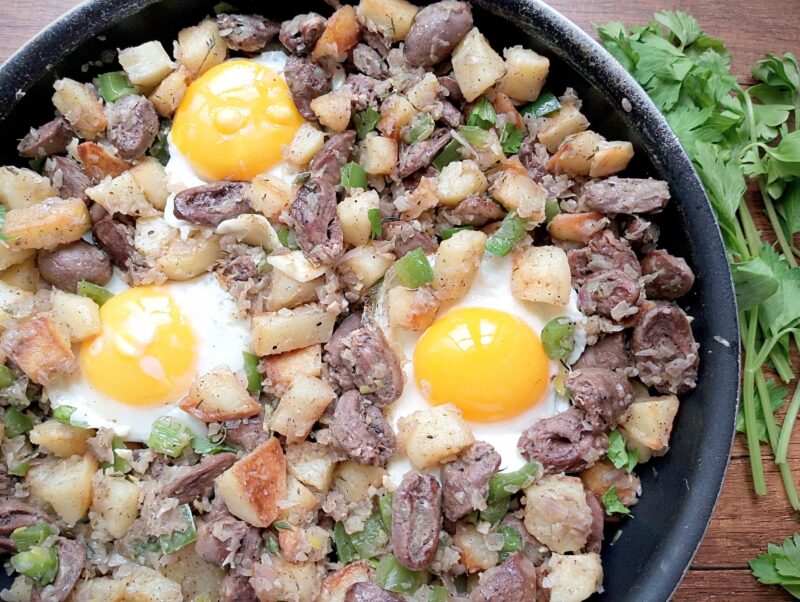
Breakfast: ground beef + eggs + tallow + potatoes = breakfast hash
Lunch: leftover roast chicken + tortillas + lettuce + homemade yogurt sauce = chicken wraps
Dinner: chicken + butter + rice + lentils + curry spices = chicken lentil curry served with rice
The beauty of this approach is that I don’t need a completely different set of ingredients for every meal. I simply combine the real food ingredients I have in my pantry, fridge, and freezer to create different meals.
I always try to keep enough basic components on hand to assemble a meal without starting from zero. That’s what makes cooking from scratch every day realistic for me—even on busy days when I don’t have much time or energy.
I Keep Ingredients That Can Do More Than One Job
When I decide whether something deserves a permanent place in my from scratch pantry, I like to think about how many different ways I can use it. I don’t usually stock something just because I might use it once in a future recipe. I want the ingredients I keep on hand to work hard for me.
For example I always have flour because I can turn it into bread, pizza dough, pancakes, biscuits, muffins, or crepes. I keep at least 30 eggs because we use them frequently for breakfast and baking. I keep potatoes because I can roast them, mash them, add them to soups, turn them into hash, or serve them alongside almost any protein.
Finally, I also keep a wide variety of herbs and spices because I love cooking different cuisines, from Mexican to Indian to Irish. They allow me to take the same basic ingredients and turn them into completely different meals, adding flavor and variety without needing to buy a lot of specialty ingredients.
Some ingredients earn their place in my pantry not only because I use them regularly, but because they help me use up leftovers and avoid food waste. For example, whenever I have leftover chicken and vegetables, I can add rice and turn them into fried rice instead of letting those leftovers go to waste.
That’s really what I look for when stocking my pantry: ingredients that can do more than one job. I want the foods I keep on hand to be useful, versatile, and easy to combine. The ingredients in my pantry are there because we actually eat them, and as I use them, I replace them.
The Homemade Staples I Try to Keep Around
I generally buy ingredients from the store, and the only ready-made foods I can think of that we buy regularly are mayonnaise and tomato paste. Most other staples, such as applesauce, tomato sauce, tortillas, buns, and even crackers, I make at home.
There are some homemade staples I always keep on hand, while others are seasonal or batch-made foods that I make in large quantities and use over several weeks or months.
Always on hand
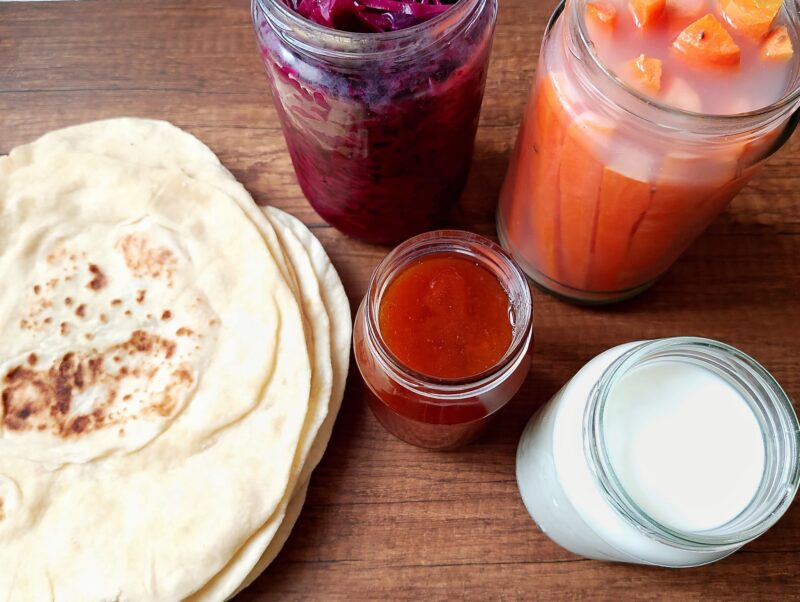
Most of my baking is sourdough baking (except cakes!), so I always have a bubbly sourdough starter on my counter. I also keep several quarts of yogurt in the refrigerator. We eat it plain as a snack, but I also use it for marinades, dipping sauces, simple cheese, and as a substitute for buttermilk in baking.
I keep several kinds of fermented vegetables in the fridge because they are our most-used side dish. Chicken stock and sourdough bread are other staples I never want to run out of.
Because I want to have all of these homemade staples available all the time, I make them every week, usually on the weekend or on a day when I have a little more free time. I’m so used to making them that I don’t even put them on my to-do list anymore. It’s more like, Okay, there’s only a quart of yogurt left. Let’s defrost some milk and make yogurt tonight.
Made in batches when needed
There are also some staples I make in large batches, either because they are seasonal or because I only want to make the mess in the kitchen once rather than several times. 😂
We are in North Africa, so we have two tomato seasons: one in mid-summer and another in the middle of winter (hello, tomatoes from the Sahara!). That’s when we can get the best-tasting, juiciest tomatoes, so that’s when I make tomato sauce. I usually make enough to last about three months. This is about as much as I can comfortably fit in our chest freezer.
I make a plain, all-purpose tomato sauce that I can turn into tomato soup, spaghetti sauce, pizza sauce, and more later on. I also make large batches of applesauce in the fall and low-sugar jams whenever a particular fruit is in season. These are especially useful for adding flavor to porridge and homemade yogurt.
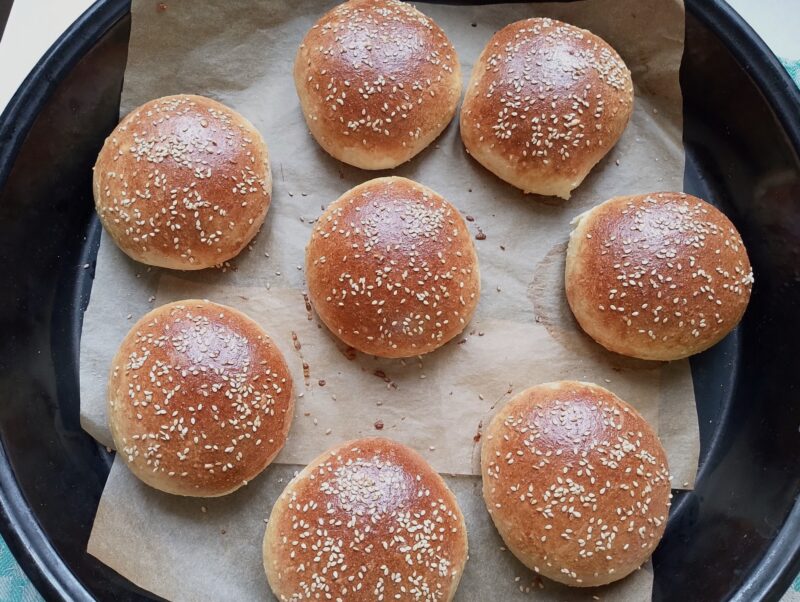
I also make burger buns, focaccia, pita bread, and tortillas in batches and freeze some for future meals. Having these homemade staples ready in the freezer makes quick meal prep on busy days so much easier.
What I Don’t Keep in My Pantry
I don’t try to keep every ingredient for every recipe. I don’t usually buy specialty ingredients just because a recipe calls for them. If I don’t think I’ll use something more than once or twice, I usually don’t stock it.
For example, I don’t keep Worcestershire sauce in my pantry because I hardly ever use it. If a recipe calls for it, I can usually make a good substitute by combining a little soy sauce with cider vinegar. There’s no reason for me to give an ingredient permanent space in my pantry if I’m only going to use it once in a while.
I also don’t maintain a Pinterest-perfect pantry with 50 jars of different grains and beans. In fact, I currently have only one type of beans in my pantry because my kids aren’t huge fans of them. I don’t keep a huge variety of packaged foods “just in case,” either.
I know that keeping a large supply of shelf-stable packaged foods can be an important part of preparedness for some families. My primary goal, however, is a little different: I want my from scratch pantry to help me cook real food every day. So I focus on stocking the ingredients we actually eat and use regularly, rather than filling my shelves with foods we wouldn’t normally choose to eat.
Even in a minor emergency—like getting sick, losing a job, or going through another difficult season—I want to be able to keep feeding my family a real food diet rather than suddenly relying on boxed macaroni and cheese or instant noodles. When you’re dealing with a family emergency, the last thing you need is to make eating well even harder.
I learned this firsthand when we experienced a house fire last summer and life was quite chaotic for a while. Still, I was able to keep my family well fed because I had plenty of real food staples on hand: rolled oats, whole wheat flour, frozen meat, butter, and other basics. Having those foods stocked meant one less thing to worry about when everything else felt upside down.
How I Keep My From-Scratch Pantry Stocked
When something starts to run low, I add it to the shopping list and we buy it during our next grocery trip. That’s it. I don’t keep spreadsheets of my pantry ingredients or maintain an elaborate inventory system.
I also don’t wait until something is completely gone before putting it on the shopping list. When I add something depends on how often I use it and how much of it I normally keep on hand.
For example, I use a lot of wheat berries for grinding into flour, so I store them in food-grade buckets. When I’m down to my last bucket—which will last us about another month—I add wheat berries to the shopping list. I buy brown sugar in the packets it comes in, and when I’m down to two packets (which will last us a month or more), I add sugar to the list.
How far ahead you want to stock your from scratch pantry is really up to you and the space you have available. We currently live in an apartment, so I aim to keep about one to two months’ worth of most things on hand. We’re a family of six, and there simply isn’t room for me to store much more than that.
If you want to maintain a three- or six-month pantry, you’ll obviously need to store significantly larger quantities. But you don’t necessarily need to have the same amount of everything. The amount you keep should reflect how quickly you use an ingredient, how much storage space you have, and how often you want to shop.
The big exception for me is seasonal food. When apples are in season, I make as much applesauce as I can and freeze enough to last us through the year. During strawberry season, I make enough jam and freeze enough strawberries to get us to the next strawberry season. Seasonal ingredients are worth stocking up on because I know exactly when we’ll have another opportunity to get them.
For me, that’s really all the pantry management I need. I pay attention to what we’re using, add things to the shopping list before we run out, and stock up when seasonal foods are at their best.
My From-Scratch Pantry Checklist
Now let me give you the full list of what you’ll usually find in my from-scratch pantry. It isn’t a perfectly stocked pantry with every possible ingredient, and you certainly don’t need everything on this list. Your own pantry should be based on what your family actually eats.
These are simply the foods I reach for again and again when I’m cooking for my family. You’ll notice that some common ingredients are missing. For example, I haven’t included maple syrup or rapadura because we can’t get them here, and there’s no pork because we don’t eat it.
I’ve also included a little note next to each item explaining how I use it. Because I think that’s what makes a pantry really useful—not just having ingredients on hand, but knowing how to combine them to make simple, nourishing meals.
Flours & Grains
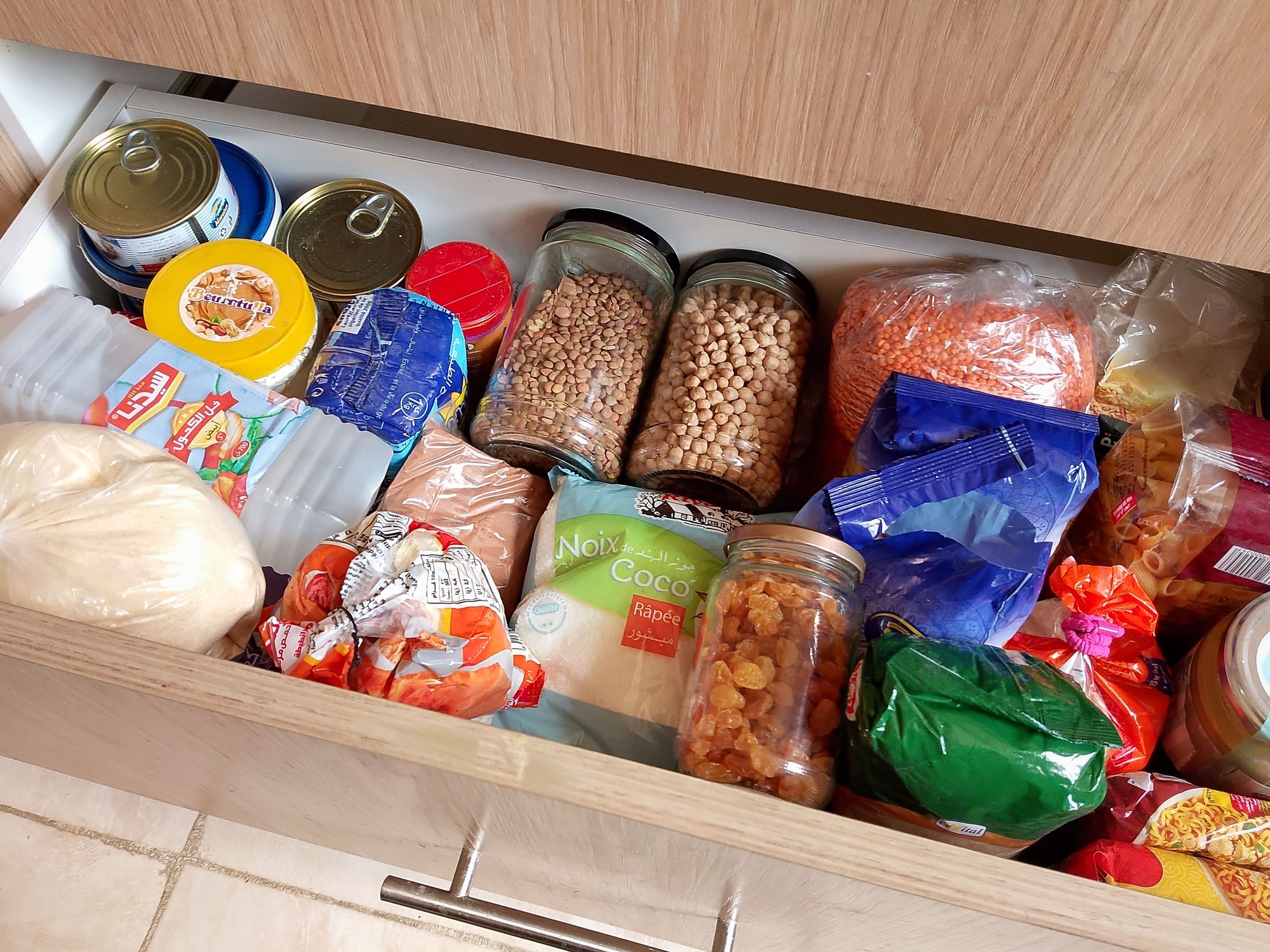
- Wheat berries — I grind my own flour to use in sourdough sandwich bread, burger buns, pita bread, pizza dough, and biscuits.
- All-purpose flour — for muffins, pancakes, crepes, cakes, and cookies. I often combine it with whole wheat flour in all of these.
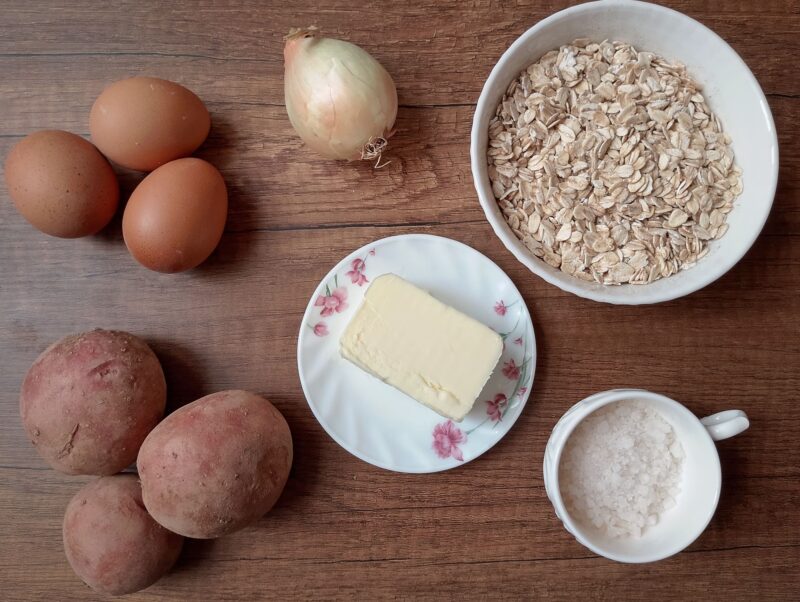
- Rolled oats — one of our favorite breakfast options. We eat them as porridge, baked oatmeal, or Instant Pot oatmeal pudding.
- Rice — for serving with curries and roast chicken, or for making fried rice to stretch leftovers. I use white rice and often cook it in bone broth for extra nourishment because none of us likes brown rice.
- Pasta — for quick, simple meals when I don’t have much time. I usually pair it with homemade tomato sauce, ground beef, vegetables, and cheese.
- Noodles — for soups and stir-fries.
- Beans — for soups, stews, and homemade baked beans. I keep them dried and soak them overnight before cooking.
- Lentils — quick-cooking and easy to turn into soups, stews, curries, or a simple side dish. I like red lentils best, but I also keep some green lentils.
Fresh Staples
- Potatoes — one of my go-to foods for filling out a meal. I serve them roasted, mashed, or sautéed, add them to soups, or serve them alongside meat and vegetables. Baked potatoes with tuna filling are also one of my favorite easy meals for really busy days or days when everyone is ill.
- Onions — I use sautéed onions to add flavor to everything from soups and stews to sauces and savory fillings. My kids don’t like onions, though, so I always blend them smooth after sautéing.
- Eggs — one of my most versatile ingredients for quick breakfasts, baking, and simple dinners. Protein and good fats are my priority when planning meals, and eggs provide both. They’re also an inexpensive alternative to meat.
Fridge Staples
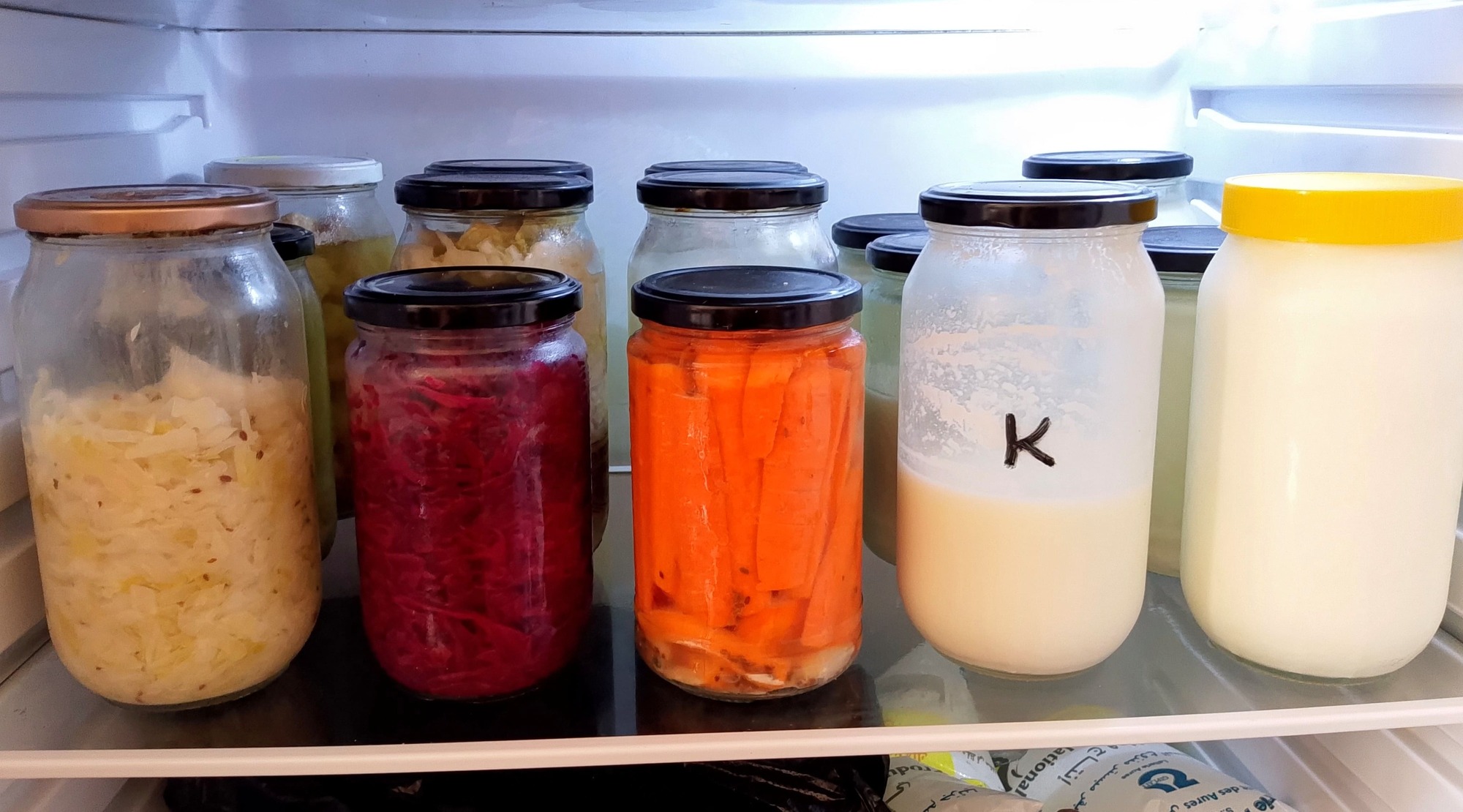
- Milk — one of my most-used staples. I buy raw milk in bulk when I can get it, and full-fat pasteurized milk when I can’t. My main reason for keeping plenty on hand is to make yogurt, kefir, and simple cheeses.
- Yogurt — my kids’ favorite snack, especially topped with homemade granola and a little jam or fresh fruit. I also use it in marinades and salad dressings, and make a refreshing drink with it in hot weather by thinning it with a little milk.
- Kefir — I use it as a probiotic-rich addition to smoothies and as a substitute for buttermilk in pancakes and baking.
- Sauerkraut & other ferments — an easy way to add fermented foods and a little acidity to simple meals. I usually keep several flavors of kraut and some fermented carrots on hand because that’s what my kids like to eat.
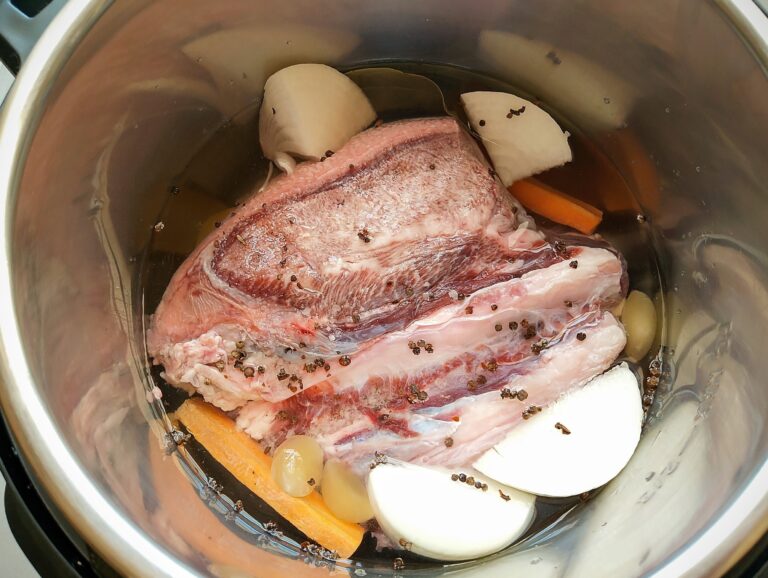
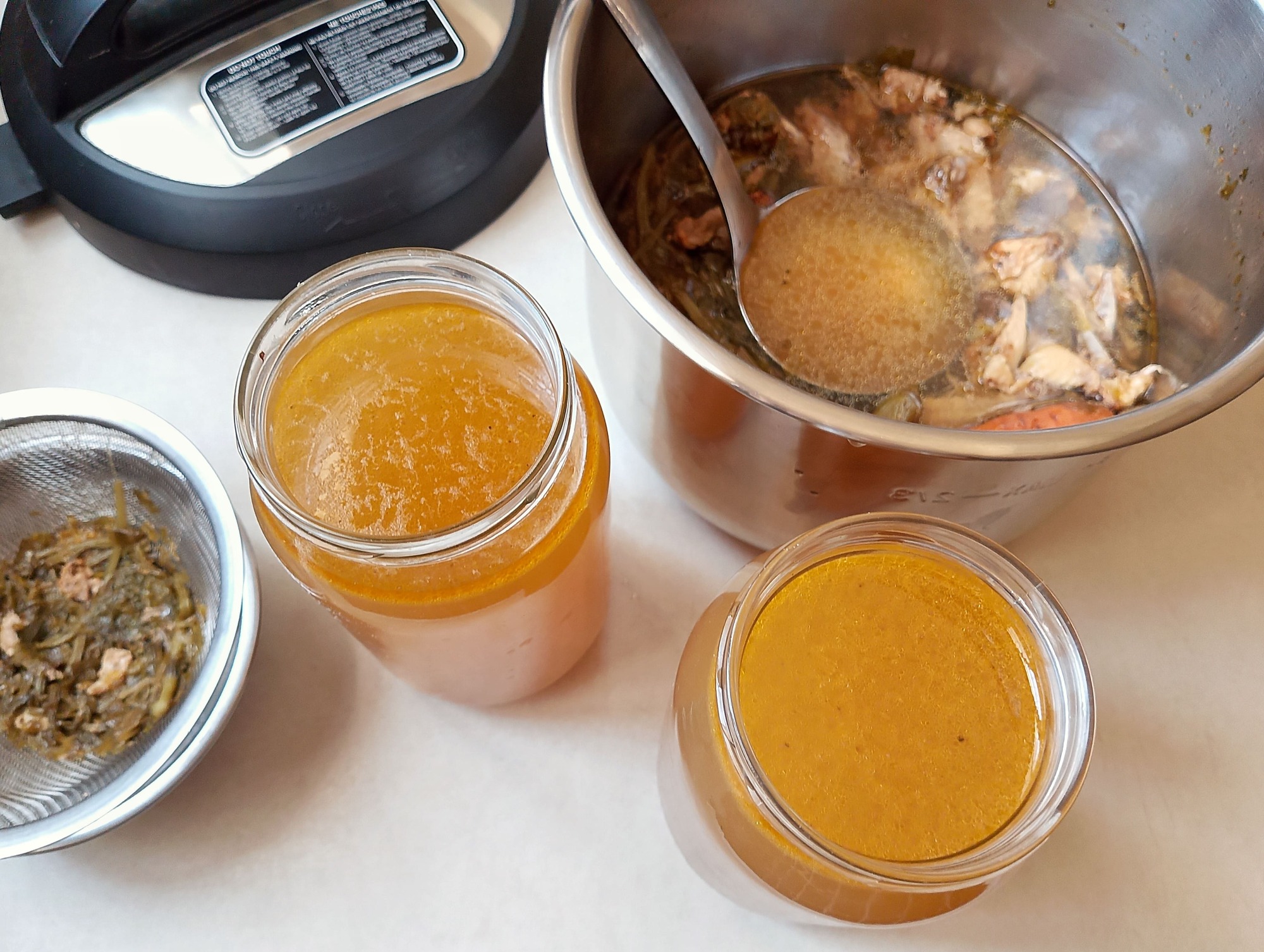
- Bone broth — a staple ingredient for soups, stews, and sauces. I make a week’s worth in my Instant Pot and keep it in jars in the refrigerator. Bone broth is one of my favorite real food staples because it adds gelatin and minerals to dishes. I even cook rice in it.
- Cheese — for sandwiches, wraps, omelets, pizza, pasta, savory bakes, and adding something satisfying to simple meals. I buy cheddar in bulk, keep some in the refrigerator, and freeze the rest in portions. I also make simple cheeses such as yogurt cheese, cottage cheese, and paneer every week.
Cooking Fats
- Butter — my everyday fat for cooking and baking, spreading on bread, and adding richness to vegetables, grains, and sauces. In my opinion, it adds better flavor than any other cooking fat.
- Tallow — especially useful for frying, roasting potatoes and vegetables, and other higher-temperature cooking. I also use it in place of shortening when making burger buns and tortillas.
- Coconut oil — I use refined coconut oil, which has a neutral flavor and works well for frying pancakes, crepes, French fries, and donuts. It has a relatively high smoke point, making it a good choice for higher-temperature cooking.
- Olive oil — my least-used cooking fat. I mainly use it in salad dressings because, honestly, I’m not a big fan of its flavor.
Sweeteners
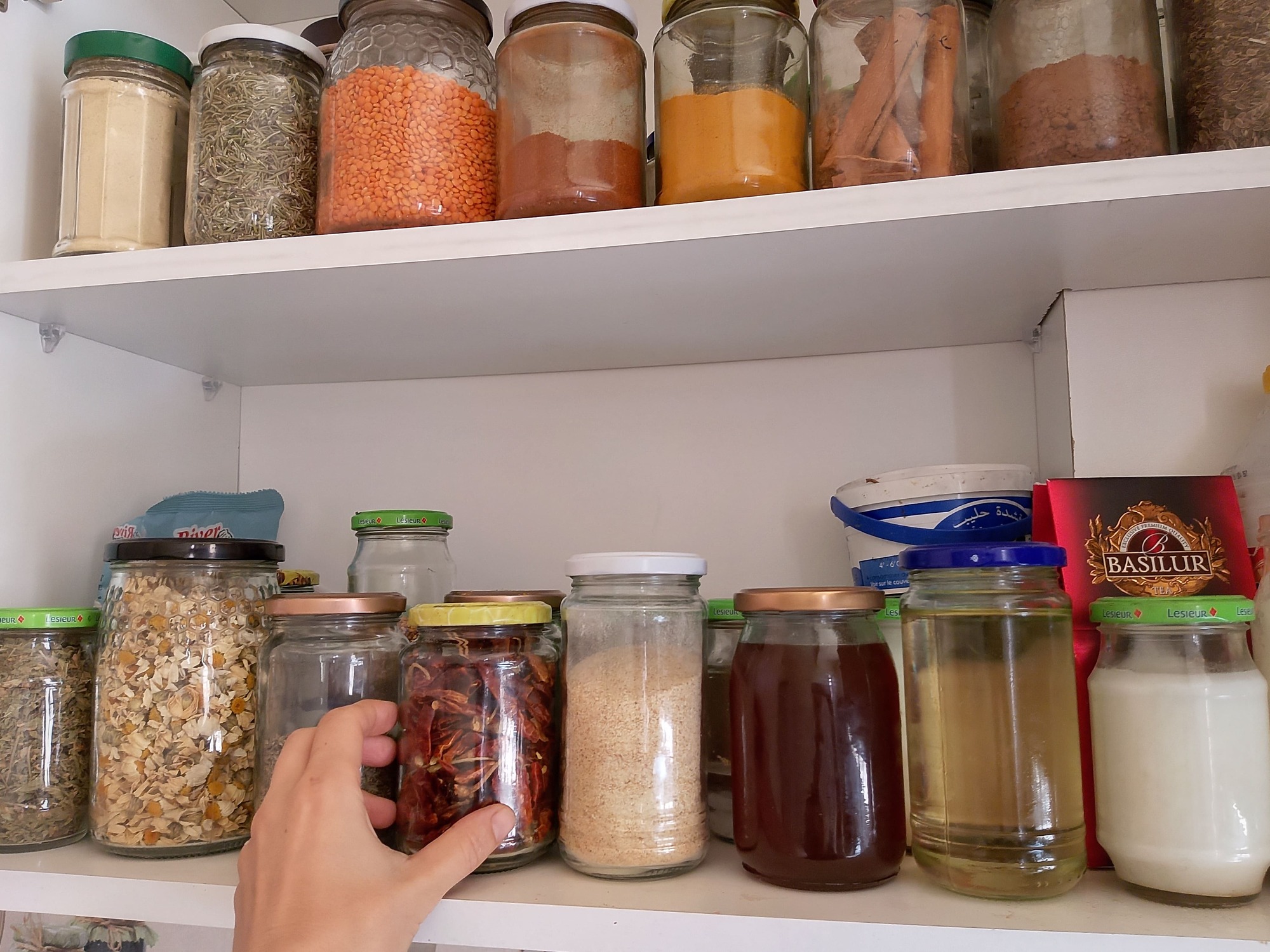
- Honey — we buy raw honey in bulk and use it to sweeten granola, drinks, and some baked goods. During cold and flu season, we also add it to elderberry syrup and other homemade remedies.
- Brown sugar — mainly for baking, desserts, and sweetening breakfast recipes such as bread and butter pudding and French toast. I use it instead of honey in these recipes because it’s more affordable.
- White sugar — I mainly keep it for making homemade low-sugar jams.
- Dried fruit — I always keep dates and raisins on hand for adding natural sweetness to muffins, breakfast bakes, and homemade granola.
Canned Foods
- Tomato sauce — I make a plain, all-purpose tomato sauce when tomatoes are cheap. I can then turn it into pasta sauce, pizza sauce, curry sauce, or a base for tomato soup.
- Tomato paste — adds concentrated tomato flavor to curries, soups, and pasta sauces.
- Homemade jams — I make low-sugar jam from whatever fresh fruit I can get here and preserve it using a water-bath canner. I usually have strawberry, apricot, fig, and apple jams, as well as orange marmalade. The main reason I make jam is to add variety to our breakfasts and snacks. We use it in porridge, yogurt, parfaits, and more.
- Applesauce — we usually eat it as a pancake topping, but I also use it in muffins, cakes, breakfast bakes, and baked oatmeal.
- Canned fish — I can’t often find fresh fish here, so I keep plenty of canned tuna and sardines on hand. We use them in sandwiches, salads, or as a topping for baked potatoes.
Flavorings & Condiments
- Salt — I use it not only for seasoning everyday meals, but also for making bread and fermenting foods. I usually buy coarse rock salt in bulk.
- Dried herbs and spices — an easy way to add variety and flavor to meals. I love cooking all kinds of cuisines, from Indian to Chinese and Mexican, so I have a whole kitchen cabinet devoted to dried spices. Some of the ones I use most are black pepper, onion powder, garlic powder, paprika, thyme, and marjoram.
- Soy sauce — for stir-fries, marinades, sauces, and adding savory flavor to rice and vegetables. I also use it as a substitute for Worcestershire sauce.
- Apple cider vinegar — for salad dressings, sauces, marinades, and adding a little acidity to rich dishes. I also use it to make lots of switchel during the hot summer months.
- White vinegar — I use it almost exclusively for making simple cheeses such as paneer and queso fresco.
- Mayonnaise — for sandwiches, wraps, salads, dips, and quick sauces.
- Lemon juice — for dressings, marinades, and sauces, as well as adding the acidity needed for homemade jams.
- Cocoa powder — for homemade hot cocoa and baking. Although, if I’m honest, the main reason I keep it on hand is to make brownies!
Freezer Staples
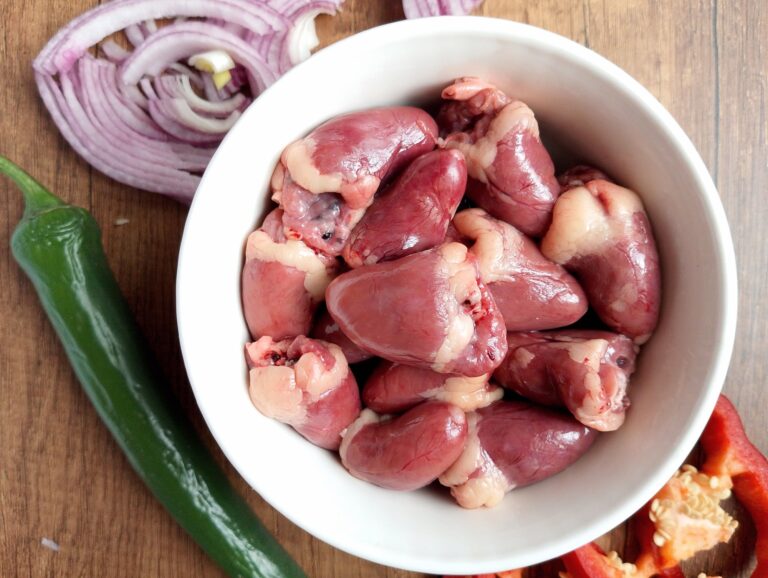
- Chicken — a versatile staple for soups, salads, wraps, rice dishes, and easy family dinners. I like to keep whole chickens, legs, breasts, and chicken liver in the freezer.
- Ground beef — one of my favorite meal builders because it’s quick and simple to cook. I use it for meatballs, burgers, tacos, pasta sauces, savory fillings, and simple skillet meals.
- Lamb — we buy a whole lamb once a year and use it for stews, grilled or roasted dishes, and shepherd’s pie.
- Frozen seasonal produce — I buy broad beans, broccoli, pumpkin, and berries when they are in season and freeze them for use throughout the year. This lets us enjoy seasonal produce even when it’s no longer available fresh.
- Garlic — I buy it in bulk when the price is good, separate it into cloves, and store it in a large zip-top bag in the freezer. It’s very easy to peel and grate straight from frozen, and it adds flavor to almost everything from roasted vegetables to meat dishes and sauces.
- Cream — for sauces, soups, desserts, and adding richness to meals. It’s hard to find here in North Africa, so when I can get it, we buy it in bulk and freeze most of it.
Final Thoughts
You don’t need to overhaul your pantry overnight. Start with the foods your family already eats, then gradually replace a few convenience foods with simple homemade alternatives. Trying to change too much too quickly can leave you overwhelmed—and it can get expensive, too.
This is a long distance run, not a sprint. The goal is to slowly build a better system that supports cooking from scratch with real food ingredients every day. You don’t need a perfect pantry. You need a pantry that makes feeding your family well a little easier.
I hope this post helps you create an efficient food pantry that works for your family. My pantry has enabled me to cook from scratch every day for the last 15 years, and I hope it does the same for you!
For more real food cooking and old-fashioned homemaking, subscribe to my weekly newsletter. You’ll get an email from me every Sunday, filled with recipes, practical tips, and encouragement for your homemaking journey.