Raw Milk Benefits: Why I Love Using It in My Kitchen
You’ve probably heard that raw milk from grass-fed cows is an amazing living food. It has been the backbone of health and vitality in many traditional cultures and continues to be a staple in rural and homesteading communities around the world.
But what are the raw milk benefits when it comes to everyday cooking? In this post, I want to share the culinary benefits of raw milk and explain why I much prefer it to pasteurized milk in my kitchen. From naturally clabbering into a probiotic-rich drink to making homemade raw milk cheeses and delicious biscuits, raw milk is one of those staples I always love to have on hand.
Let me show you how I enjoy the benefits of raw milk in my kitchen and use it to prepare nourishing, from-scratch food for my family every day.
It clabbers naturally, giving me another useful ingredient
One of my favorite raw milk benefits is that it can clabber naturally, giving me another useful ingredient to work with in the kitchen.
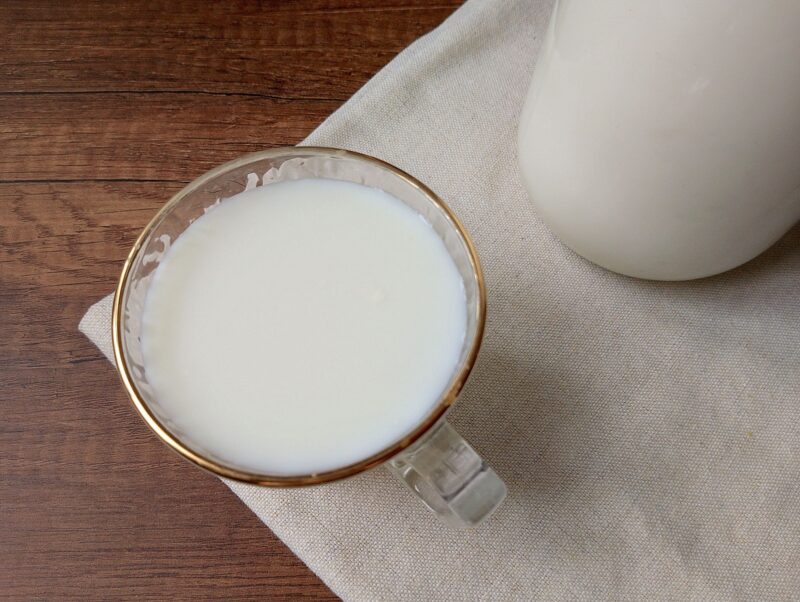
The main difference between raw and pasteurized milk when it comes to shelf life is what happens when the milk starts to sour. When pasteurized milk has been in the refrigerator for a few days and begins to taste sour, it’s time to throw it away. With raw milk, I transfer it to the countertop and let it sour fully until it thickens. This process is known as clabbering.
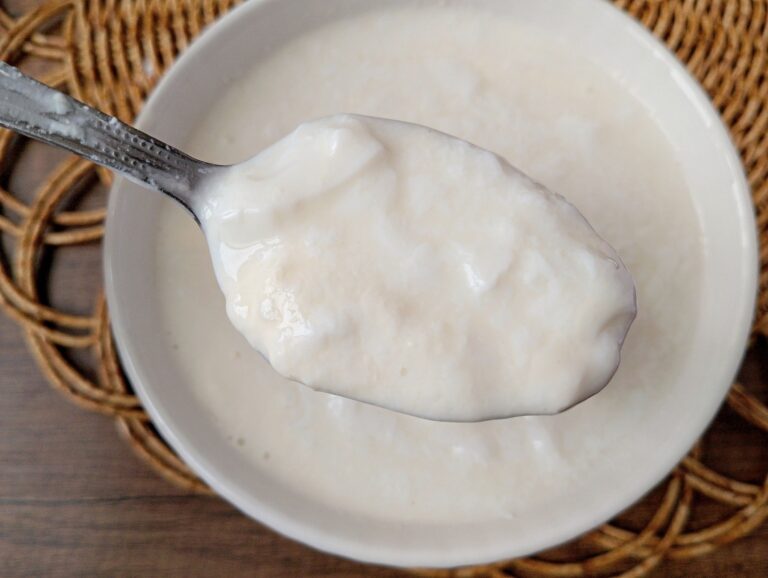
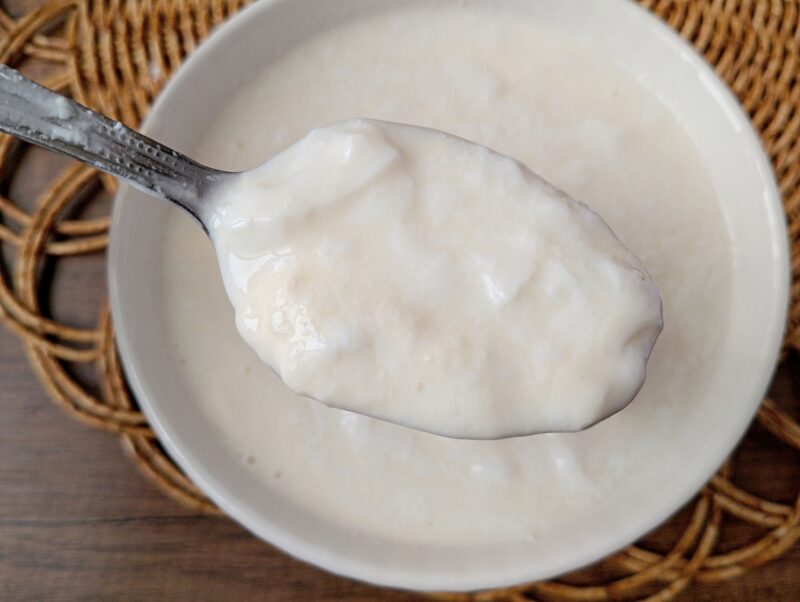
Once it’s thick, I chill it again and either drink it as it is, use it in pancakes and muffins, or even feed it to my chickens or dog as a probiotic treat. Even if I never made anything with my raw milk except clabber, it would still be worth buying it just for the clabber. It is a delicious, probiotic drink that is similar in texture and flavor to drinking yogurt. When my kids ask for a snack before bedtime, my favorite thing to give them is a handful of dates and a cup of clabbered milk.
The ability to clabber gives raw milk a surprisingly long useful life in my kitchen. It lasts up to a week in the refrigerator as fresh milk, followed by another couple of weeks as clabbered milk. I use thick clabbered milk in any recipe that calls for buttermilk, sour milk, yogurt, or kefir. It’s incredibly versatile. In fact, I wrote a whole post about 20 uses for clabbered milk to show you how amazing clabber really is.
I can use it to make simple homemade cheeses
One of my favorite raw milk benefits is how easily I can turn it into a variety of simple cheeses.
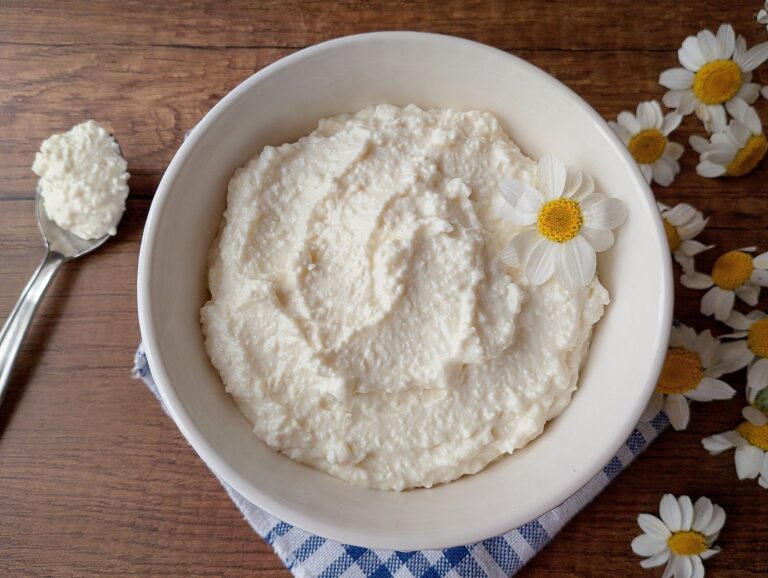
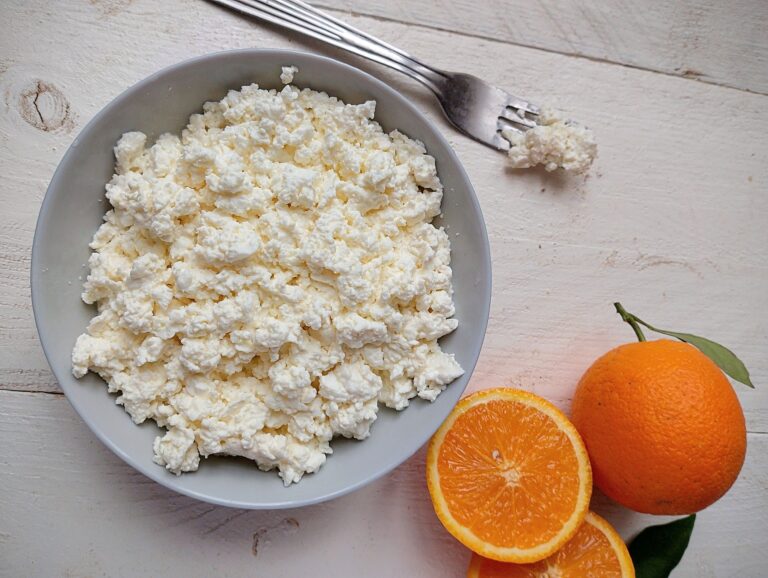
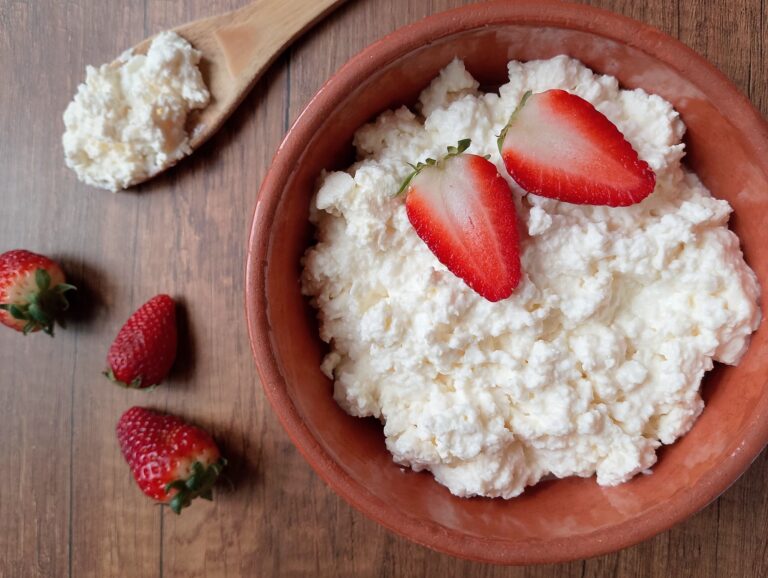
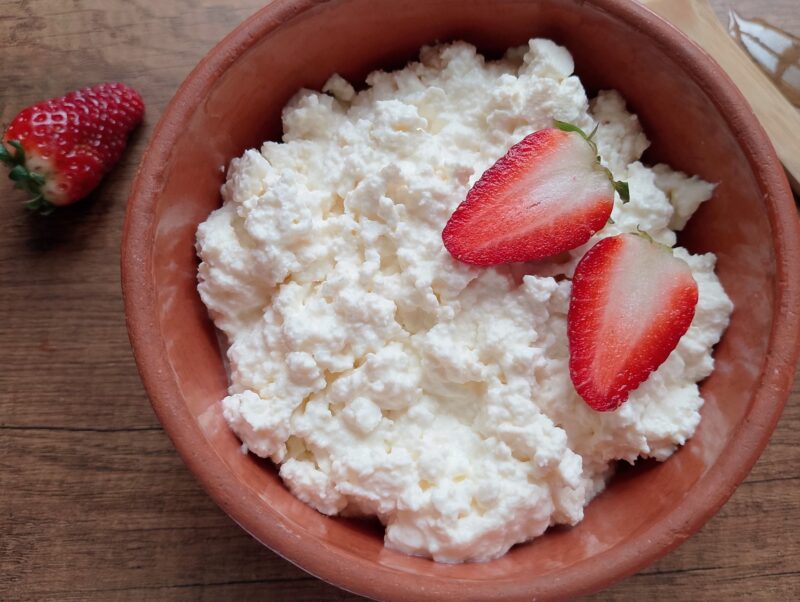
There are many cheeses I make with both pasteurized and raw milk, such as paneer, queso fresco, and kefir cheese. But there are also several fresh cheeses I love to make with raw milk that are impossible to make with pasteurized milk unless you add a cheese culture. These include raw milk cottage cheese, fromage blanc, quark, and farmer’s cheese.
These simple cheeses are a delicious way to enjoy raw milk in a different form while preserving its natural enzymes and other qualities. Best of all, none of them requires rennet, starter cultures, or special equipment. All you need to get started with simple raw milk cheesemaking is a large pot, a tea towel, and a colander.
Aged cheeses are also delicious when made with raw milk, but they require more equipment and LOTS more raw milk!
It has wonderful flavor
One of the raw milk benefits I appreciate most is its wonderful flavor. The taste of raw milk varies depending on the animal’s diet but you can always tell straight away that it’s raw. If you’re used to pasteurized milk, it may take some time to get used to the flavor of raw milk.
I’ve been drinking raw milk for many years. I much prefer its taste to that of pasteurized milk, which tastes boiled to me. The best raw milk I’ve ever had came from Jersey cows. It’s richer and creamier than standard milk, tasting almost like liquid ice cream—that’s the best way I can describe it!
But any good-quality raw milk tastes great to me. It tastes like a living food (which it is), especially compared to the cooked flavor of pasteurized milk.
This wonderful flavor makes raw milk my favorite ingredient for puddings, sauces, and cheese. And when I use clabbered milk, it adds even more flavor to biscuits, muffins, and pancakes.
I can use it to make more cultured dairy foods
Cheese and clabber aren’t the only things I make from raw milk. I also make raw milk kefir and yogurt. If your milk is particularly rich, like Jersey milk, you can use it to make cultured cream and cultured butter, too.
When we lived in Yorkshire, we were able to buy raw cream in large jugs, which I turned into butter in my food processor. Nothing beats homemade raw butter! Store-bought pasteurized butter doesn’t even come close to it. And when you make butter, you also get buttermilk to use in your cooking.
If you don’t want to make butter, you can simply leave raw cream on the countertop to sour. This way you’ll get delicious cultured cream with a consistency very similar to crème fraîche.
For me, these are some of the best raw milk benefits: being able to turn one simple ingredient into so many delicious cultured dairy foods.
It is a versatile ingredient for from-scratch cooking
One of the raw milk benefits I appreciate most is its versatility in the kitchen. Raw milk can become yogurt, cultured dairy, fresh cheese, creamy sauces, custards, puddings, and baked goods. From just one ingredient, you can build an entire collection of homemade staples.
During our hot summers, we love drinking raw milk as a cooling, refreshing drink. The rest of the year, though, we drink only a little of it on its own (usually with breakfast or lunch) and turn the rest into all kinds of homemade foods.
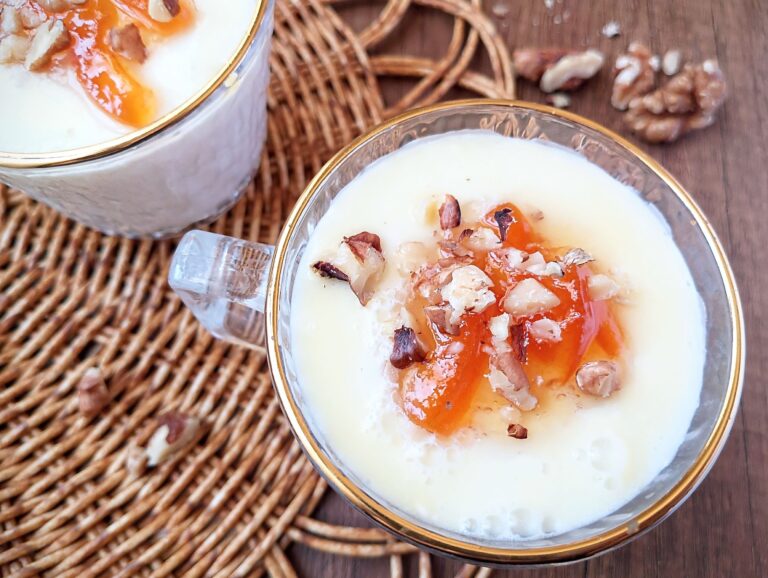
For snacks, I make parfaits, kefir smoothies, popsicles, and junket. For breakfast, we enjoy baked oatmeal, Instant Pot porridge, pancakes, and breakfast rolls. And for dinner, raw milk goes into biscuits, baked risotto, and fish pie.
Of course, you lose some of the benefits of raw milk when you cook with it. However, I still believe that local, grass-fed milk is a superior product to store-bought milk, even when used in cooked recipes. That said, I do make sure to use most of the raw milk I get in recipes that don’t require heat. For example I often use it to make cottage cheese for sandwiches or breakfast smoothies.
This is what I love about raw milk: it’s not just something to drink. It’s a versatile, everyday ingredient that helps me make nourishing food from scratch for my family.
Is It Safe to Drink Raw Milk?
It depends on who you ask. Alphabet government agencies such as the FDA and CDC warn against drinking raw milk. If you ask Google or ChatGPT whether raw milk is safe, you’ll get the official government perspective. And now that we’ve got this disclaimer out of the way, let me tell you my own raw milk story.
When we were newly married, we lived in Scotland, where the sale of raw milk was banned in 1980. The only way we could get it was to order online from an English farm and have it shipped overnight with ice packs. That was definitely the most expensive raw milk we’ve ever drunk, so for budget reasons, we only bought it occasionally. (If you are interested in the history of pasteurization and the real reasons why raw milk is now demonized by many governments, I recommend you read The Untold Story of Milk by Ron Schmid.)
When we lived in England, we could buy raw milk directly from a farm, but it had to carry stickers saying, “This milk has not been heat treated and may contain organisms harmful to health.” To be fair, the same could be said about fresh spinach, strawberries, and many other fresh foods. If you’re interested, check your country’s official data to see how much foodborne illness is linked to milk, both raw and pasteurized, compared with other foods, such as commercially canned food and fresh greens. Once you do, you’ll know why you should beware of greens:)
My family has been drinking raw milk since 2011, and we much prefer it to pasteurized milk. I also grew up with a grandmother who often bought raw milk from a local farm when we were children. I grew up in Eastern Europe, where raw milk remains legal in many countries. Now I live in North Africa, where you can legally buy raw milk in shops.
The sad thing is that most people here prefer UHT milk, so raw milk can be difficult to find. There just isn’t enough customer demand for it.
If you’d like to learn more about the importance of raw milk in traditional cultures, I recommend reading Nutrition and Physical Degeneration by Weston A. Price. This book has truly changed my health and my life. I wouldn’t be where I am today without it (and perhaps I wouldn’t even be here at all).
Raw Milk FAQ
Making the Most of Milk in a Traditional Kitchen
Using raw milk in your kitchen is one of THE most valuable traditional cooking skills you can learn. It’s certainly one of my most cherished skills, right alongside sourdough baking and cooking with organ meats!
Even after more than 15 years of using raw milk, I’m still learning new things about it. I know how to turn raw cream into butter, what to do with the leftover buttermilk, how to clabber milk and use it to make several simple cheeses, how to store raw milk to extend its shelf life, and how to turn it into yogurt and kefir. I’d love to learn how to make some aged cheeses with raw milk once we have our homestead set up and buy some dairy animals.
Raw milk is both a simple ingredient and an amazingly versatile, delicious staple in my kitchen. For me, that’s one of the greatest raw milk benefits: learning to transform one traditional food into so many useful homemade staples.
If you love traditional cooking and homemaking, subscribe to my newsletter! I write it every Sunday, in real time and without AI, filling it with tips, recipes, and inspiration for real food moms like you.