How to Prepare Chicken Hearts (Step-by-Step Guide)
If you’ve never cooked chicken hearts before, you’re in for a treat! These small, tender organ meats are packed with flavor, easy to prep, and cook in just minutes. In this guide, I’ll walk you through how to prepare chicken hearts step by step, share tips for picking the best quality hearts, and show you simple, family-friendly ways to enjoy them—whether pan-fried, grilled, stewed, or tossed into your favorite dishes. By the end, you’ll feel confident cooking chicken hearts and adding this nutritious, flavorful ingredient to your meals.
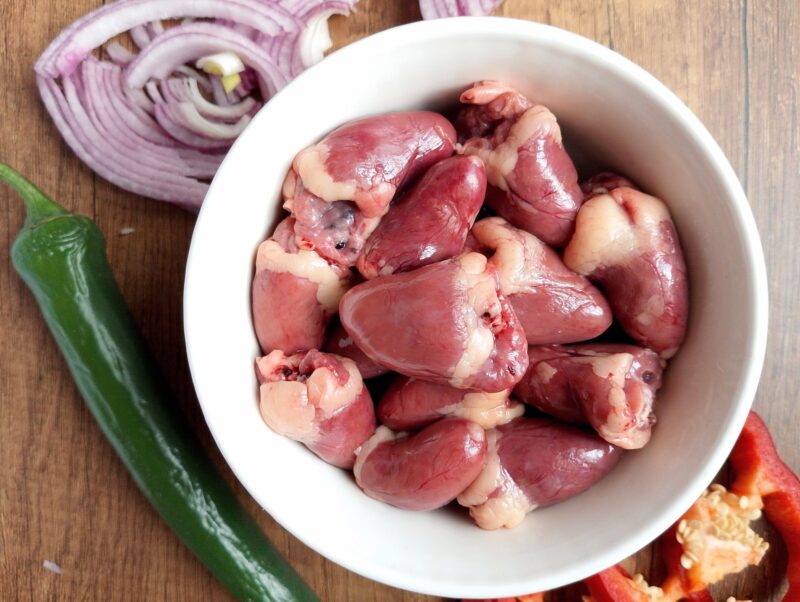
What Are Chicken Hearts?
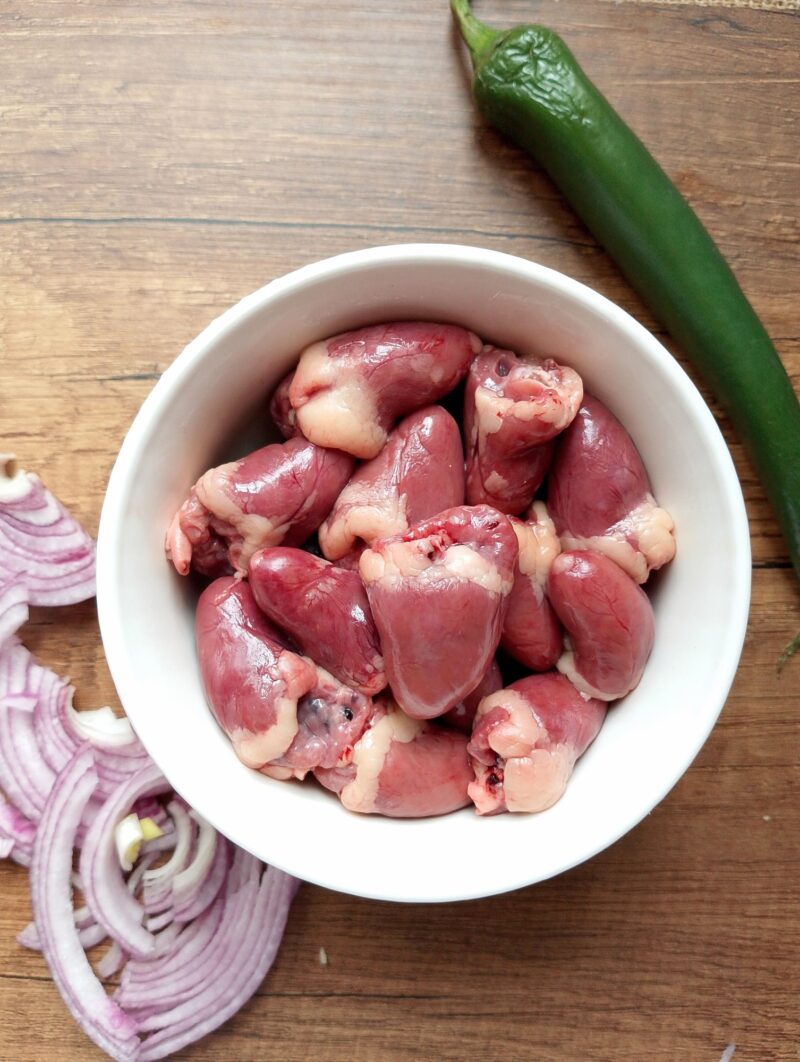
Chicken hearts are small, muscular organs packed with nutrients, including protein, iron, B vitamins, and Co-enzyme Q10. They’re also one of my favorite organ meats because they taste like regular meat, are quick to prep and cook, and are usually very affordable in most parts of the world. While this post focuses on chicken hearts specifically, it’s worth noting that all hearts—whether from rabbit, lamb, or beef—have a similar flavor, though their size naturally varies.
Are Chicken Hearts Good for You?
Absolutely! Chicken hearts are tiny nutritional powerhouses, especially when included regularly in a traditional, nutrient-dense diet. Like all nutrient-rich foods, consistency matters more than quantity—small amounts eaten often can make a big difference for your family’s health. Here are some of the top benefits of chicken hearts:
- Rich in protein – A 3.5 oz (100 g) serving provides about 26 g of high-quality protein.
- Packed with essential minerals – Chicken hearts are full of iron, zinc, and selenium.
- Loaded with Coenzyme Q10 (CoQ10) – This lesser-known nutrient supports heart health, energy production, and overall cellular function.
- High in B vitamins – Especially vitamin B12, which is important for energy and metabolism.
- Boost energy naturally – Because they’re so nutrient-dense, even a few hearts can leave you feeling more awake and energized (I always feel more ‘alive’ after eating hearts or liver). Despite their small size, a serving of chicken hearts packs a nutritional punch comparable to a larger piece of meat.
How to Choose Good Chicken Hearts
When selecting chicken hearts, look for these signs of quality:
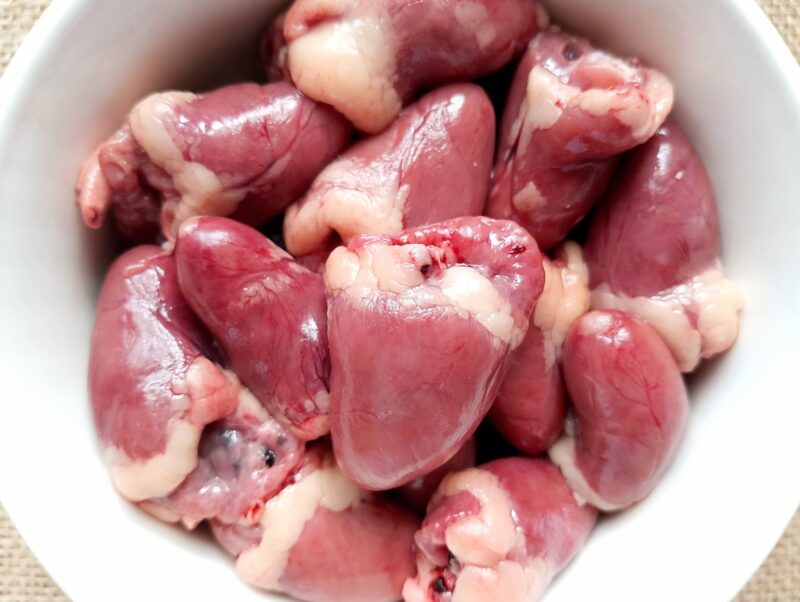
- Color: Deep reddish-purple and vibrant, not pale or dull.
- Smell: Mild and clean, similar to fresh meat. Avoid any that smell metallic or off. Texture: Firm and slightly springy to the touch.
- Appearance: A bit of fat, veins, or connective tissue is normal, but avoid hearts with excessive clotted blood or broken pieces.
- Source: Hearts from pasture-raised or free-range chickens are best. Buy from a trusted local farm or butcher. We always get ours from one local butcher because their hearts are consistently clean and fresh.
Do You Need to Clean Chicken Hearts?
Yes—a quick clean is usually all that’s needed. I start by rinsing the hearts under cold running water to remove any clotted blood. Then, I trim off any arteries or connective tissue at the top of the hearts. Patting them dry is important, as it helps them sear properly instead of steaming in moisture. Depending on your recipe, you can leave the hearts whole or cut them in half lengthwise.
How to Prepare Chicken Hearts (Step-by-Step)
Preparing chicken hearts is quick and easy. Follow these simple steps, and you’ll have tender, flavorful hearts ready to enjoy in no time:
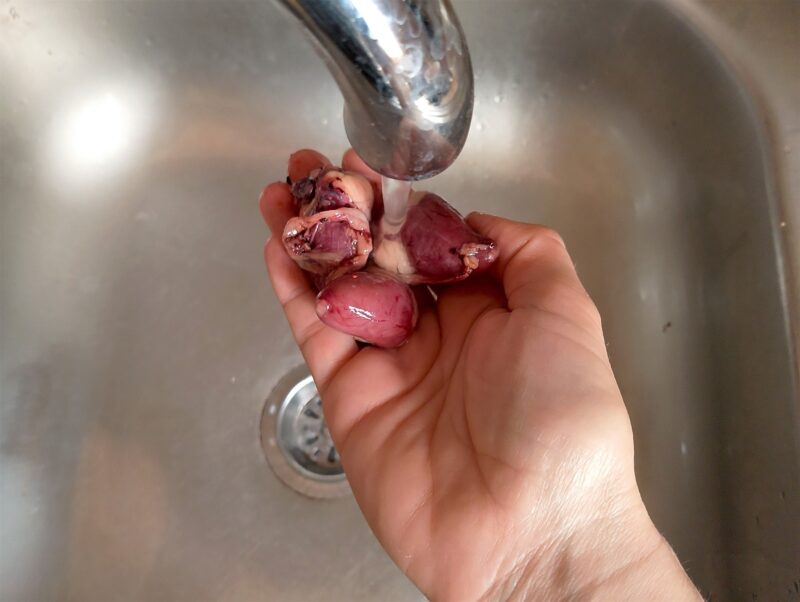
Step 1. Start by giving the chicken hearts a quick rinse under cold running water to remove any clotted blood or debris.

Step 2. Using a sharp knife, carefully cut off any arteries or connective tissue from the top of the hearts. This step isn’t strictly necessary, but it can make the hearts more appealing for picky eaters.
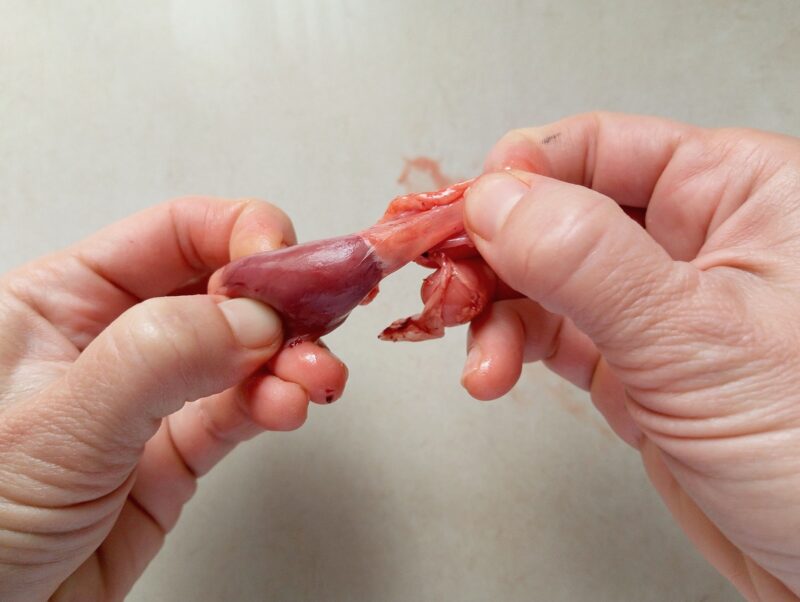
Step 3. Remove the thin membrane that covers each chicken heart. Doing this can make a noticeable difference, especially if you want a smoother, more tender texture for kids or picky eaters. Use your fingers or a small paring knife to gently peel the membrane away—it should come off in one thin piece when done carefully.
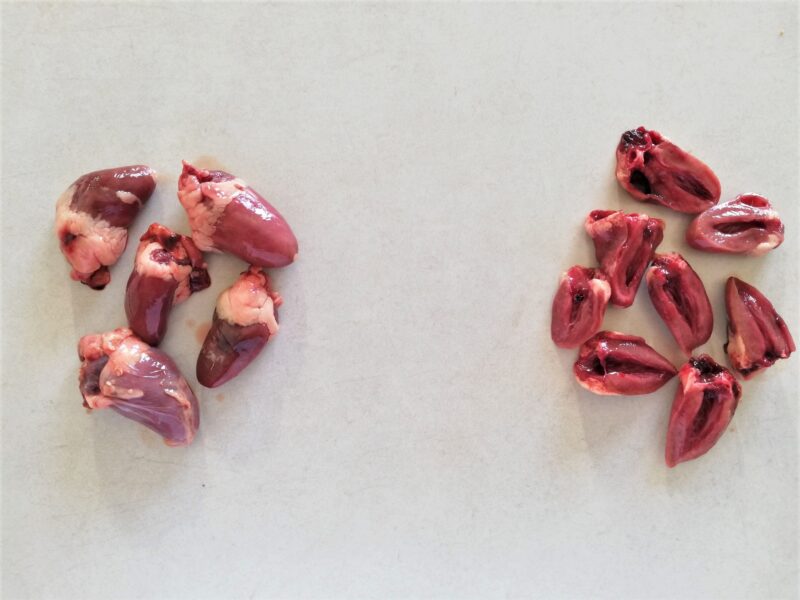
Step 4. Depending on your recipe, you can leave the hearts whole or cut them in half lengthwise. Before cooking, pat them completely dry with paper towels—this helps them sear and brown properly in the pan instead of steaming in their own moisture.
Voila! Your chicken hearts are now ready to cook. With this method, it only takes about 10 minutes to prep a pound of hearts.
How to Cook Chicken Hearts
Chicken hearts are quick and easy to cook, but the biggest mistake is overcooking—they can become tough if cooked too long. Here are three foolproof, family-friendly methods to cook chicken hearts so they stay tender, flavorful, and delicious every time:
Quick Pan-Fried (my favorite quick method)
- Prep hearts following the step-by-step instructions above, then pat them very dry.
- Melt butter over medium-high heat, then add hearts in a single layer (don’t overcrowd or they will steam instead of searing).
- Sear 2–3 minutes per side. Don’t stir them constantly – let them brown properly on each side (that’s what creates flavor).
- At the end of cooking add plenty of sea salt and freshly ground black pepper for flavor.
Skewered & Grilled (fun + kid-friendly)
- Prep and dry hearts.
- Marinate in olive oil + garlic + lemon + pinch of salt (optional, 30 minutes max).
- Thread onto skewers.
- Grill or pan-grill on medium-high heat for 8–10 minutes total, turning occasionally. Don’t overcook.
- Brush with butter at the end.
- Kids often love anything served on sticks!
Gentle Stew (softest texture)
- Lightly brown hearts in a pot with fat or butter.
- Add onions and garlic, then saute briefly.
- Stir in carrots or other veggies, and broth.
- Simmer gently for 30–45 minutes until tender.
- Keep heat low at all times – boiling will make the hearts tough.
- Add a splash of cream or butter at the end for richness.
Remember: Hot pan + dry hearts + don’t overcook = delicious every time
Tips for Cooking Chicken Hearts So They Taste Good
Chicken hearts can be rich, tender, and delicious when cooked right—but they do require a little know-how to make them appealing for both adults and kids.
- Choose and prep carefully: choose good quality, fresh hearts and prep like shown in the steps above.
- Keep it simple with seasoning to let the rich flavor of hearts shine through. I usually season them with just salt and freshly ground black pepper.
- Cook fast & hot: 2-3 minutes per side is usually enough. Overcooking hearts makes them tough. I like using butter for cooking hearts because it adds the best flavor. Hearts are small, dense, and lean, so they cook faster than chicken breast.
- Pair with familiar foods: rather than looking for chicken hearts recipes on Pinterest, add them to dishes you already cook, like fried rice, stir-fries, or wraps (sliced). Familiar dishes help make hearts more approachable for picky eaters.
Tips for Serving Chicken Hearts to Children
My most important tip: don’t assume your kids will have a problem with hearts. If it isn’t broken, don’t fix it! The main reason adults sometimes hesitate is that hearts look like organs—but babies and small children usually aren’t fazed by that and often enjoy the rich, meaty flavor. (Liver, on the other hand, can be more of a challenge.)
That said, here are my best tips for serving chicken hearts to older children, picky eaters, and even hesitant adults:
- Start with small portions: Serve just a few hearts per person, pan-fried in butter and paired with familiar favorites like crusty sourdough.
- Cook gently in butter: Butter enhances flavor and helps hearts taste rich and approachable. If your family is new to eating hearts, stick to butter rather than tallow or olive oil.
- Pair with familiar dishes: Instead of searching for specialty recipes, add hearts to meals your kids already love—tacos (sliced or chopped), stir-fries, or fried rice. Familiar flavors make trying something new less intimidating.
- Chop or mix into other dishes: Finely chop or grind raw hearts and mix them into ground lamb or beef for burgers, lasagna, or other familiar dishes. Hearts blend easily because they don’t have a strong flavor like liver. If you’re just starting out, replace only about 10% of the ground meat with hearts.
- Introduce gradually: Children may need time to get used to new foods. Serve small portions regularly. Often, kids won’t love hearts the first few times, but over time they may suddenly declare them a favorite. Treat hearts as a normal part of your meal rotation, and they’ll gradually become a familiar, everyday food.
Storage Tips
Here are my storage tips for chicken hearts to keep them fresh, tender, and safe:
Fridge (short-term storage)
- Keep fresh hearts in their original packaging or in a sealed container.
- Store in the coldest part of your fridge (not on the fridge door).
- Use within 1–2 days – like all organ meats they need to be used up fairly quickly.
Freezing (long-term storage)
- Don’t wash before freezing—moisture encourages freezer burn.
- Portion into meal-sized amounts before freezing.
- Place hearts in an airtight bag or container.
- Remove as much air as possible to prevent freezer burn.
- Label with date for easy rotation.
- Freeze for up to 3–4 months.
- Defrost in the refrigerator overnight (or submerge in very warm water if you need them quickly for dinner).
Frequently Asked Questions
Final Encouragement
I think the biggest challenge with chicken hearts is simply that they look like…well, hearts! Once you get past that, the flavor is not unusual or off-putting. Personally, I find they taste a bit like steak, though the texture is smoother and more tender. Give them a try—you might be surprised at how much you enjoy them!
If you want to learn more about traditional organ meat preparation, sourdough, bone broth, and all things traditional cooking, subscribe to my weekly newsletter. I share new recipes, practical tips, and homemaking inspiration to help you create a more peaceful, nourished home.
Family-Friendly Organ Meat Recipes
Barley Soup with Chicken Hearts
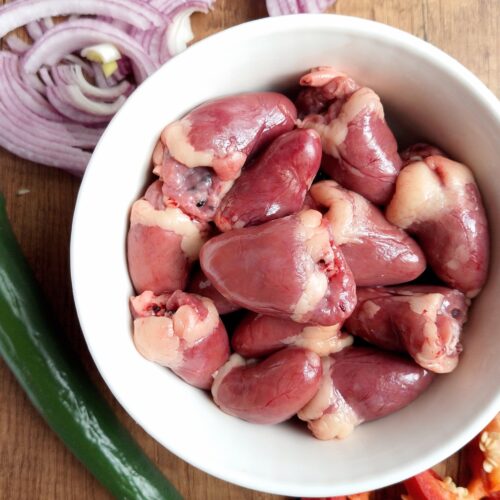
How to Prepare Chicken Hearts
Ingredients
- 1 lb (450 g) chicken hearts
- Butter or cooking fat for pan-frying (optional)
Instructions
- Rinse the hearts: Quickly wash under cold running water to remove clotted blood or debris.
- Trim connective tissue: Cut off any arteries or connective tissue from the top. Optional but helpful for picky eaters.
- Peel the membrane: Gently remove the thin membrane covering each heart with your fingers or a small knife for a smoother texture.
- Decide on size & dry: Leave hearts whole or cut in half lengthwise, then pat dry with paper towels to ensure proper searing.
Notes
- Avoid overcooking: Hearts cook quickly and become tough if left too long.
- Pan-fry or grill: Use butter for flavor.
- Add to familiar dishes: Stir-fries, tacos, fried rice, or ground meat dishes are great ways to serve hearts, especially for kids or picky eaters.
- Serve in small portions: Start with a few hearts per person to introduce them gradually.
- 1 pound of hearts will generally serve 3–4 adults or 4–6 children, depending on portion sizes.