What Can I Do With Clabbered Milk? 20 Easy Ways to Use Soured Raw Milk
If you’ve ever opened the fridge and found a jar of milk that’s gone thick, tangy, and slightly lumpy, you’ve probably wondered what to do with clabbered milk. It can feel like a mistake at first, but in traditional kitchens, this is exactly where the magic of raw milk begins.
Naturally soured milk has been used for generations in homesteads and home kitchens. Instead of being thrown away, it was turned into something useful, nourishing, and often delicious.
From pancakes, muffins, and rolls to simple homemade cheese, face masks, and even feed for backyard chickens, there are so many practical and resourceful ways to use it.
In this post, I’m sharing my 20 favorite simple ways to use up clabbered milk in your kitchen, home, and homestead so nothing goes to waste.
What Is Clabbered Milk?
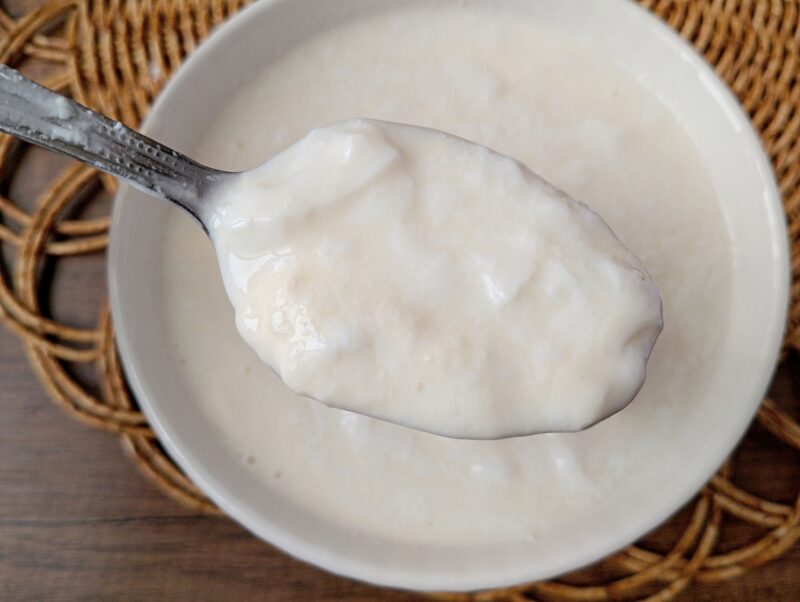
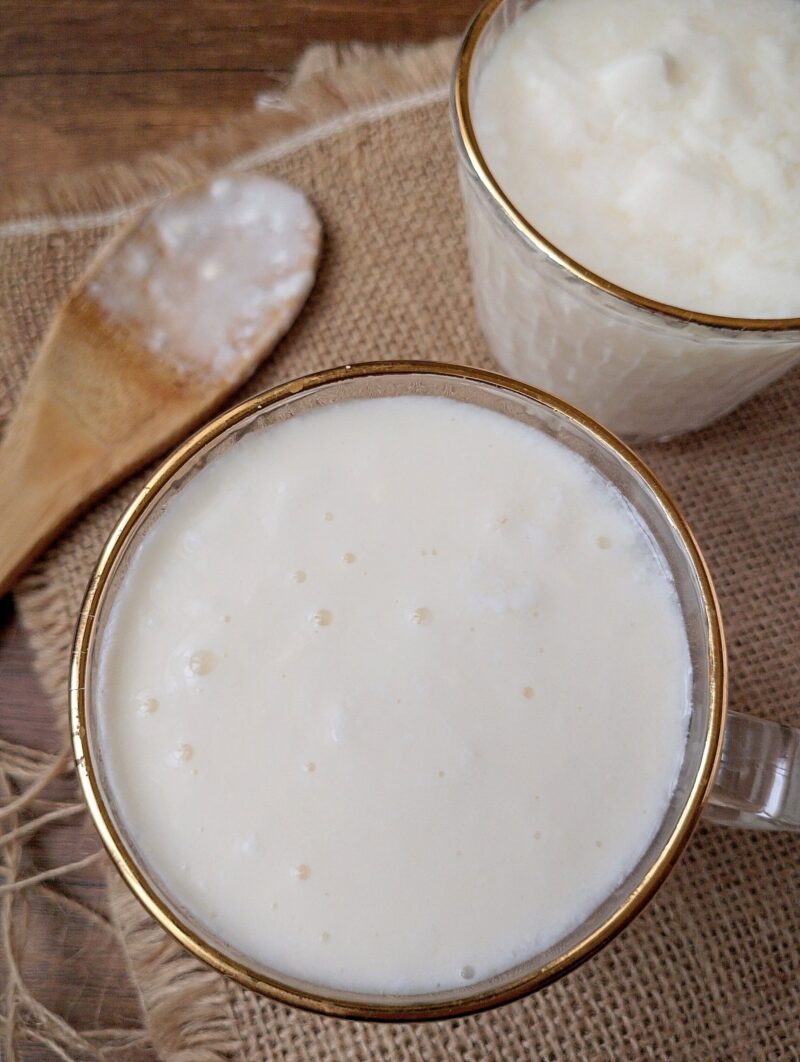
Clabbered milk is raw milk that has naturally soured and thickened through the action of beneficial bacteria already present in the milk. Instead of spoiling like pasteurized milk, raw milk ferments naturally over time. It transforms into a cultured dairy product similar to yogurt, with a thick, pudding-like texture and a pleasantly tangy smell and taste.
The most traditional way to make clabbered milk is to leave raw milk at room temperature for a day or two and allow it to clabber on its own.
It’s important to note that only raw milk will naturally clabber. Pasteurized milk does not contain the beneficial bacteria needed for this natural fermentation to happen.
Clabbered Milk vs Sour Milk
Although the terms are often used interchangeably, clabbered milk and sour milk don’t always mean the same thing. Clabbered milk is raw milk that has naturally fermented and thickened over time.
Sour milk, on the other hand, can refer to a few different things. It may be milk that has been acidified with lemon juice or vinegar for cooking. It can also mean naturally fermented milk (true clabber), or simply spoiled pasteurized milk.
So, all clabbered milk is technically sour milk, but not all sour milk is true clabber. Because of this—and to avoid confusion—I’ll stick to the term clabbered milk throughout this post.
Is Clabbered Milk Safe to Use?
Clabbered milk is perfectly safe to use when it’s made from good-quality raw milk and has fermented under proper conditions. It should smell pleasantly tangy, not rotten. The taste should be clean and sour, and the milk should be thickened or curdled. There should be no mold present.
The key difference is that clabbering is a form of controlled natural fermentation, while spoilage is the result of uncontrolled growth of harmful bacteria.
If your milk smells or tastes off, bitter, or unpleasant instead of pleasantly sour, you should discard it.
20 Ways to Use Up Clabbered Milk
Clabbered milk is full of beneficial bacteria and nutrients, making it a versatile ingredient for cooking, skincare, and even the garden. When I’m trying to use up clabbered milk, I usually start with kitchen uses first, then move on to skincare. The garden is my last resort, typically for milk that has become very over-fermented and is no longer appetizing.
It’s also worth mentioning that clabbered milk isn’t just something to “use up” in recipes. It’s actually delicious on its own. When well chilled, it makes a refreshing drink, especially on a hot summer day. It’s milder than kefir and has a more drinkable consistency than yogurt. Even my toddler enjoys drinking clabbered milk with breakfast.
There are many posts online listing large collections of ideas for what to do with clabbered milk. In this post, I’ve chosen to include only the uses I personally have experience with. This isn’t a random list of ideas I’ve never tried. Many of these are things I make weekly or at least monthly, and I can confidently say they work GREAT.
I’ve also linked to some of my own recipes that use clabbered milk, so you can put it to good use in simple, delicious ways.
In Cooking & Baking
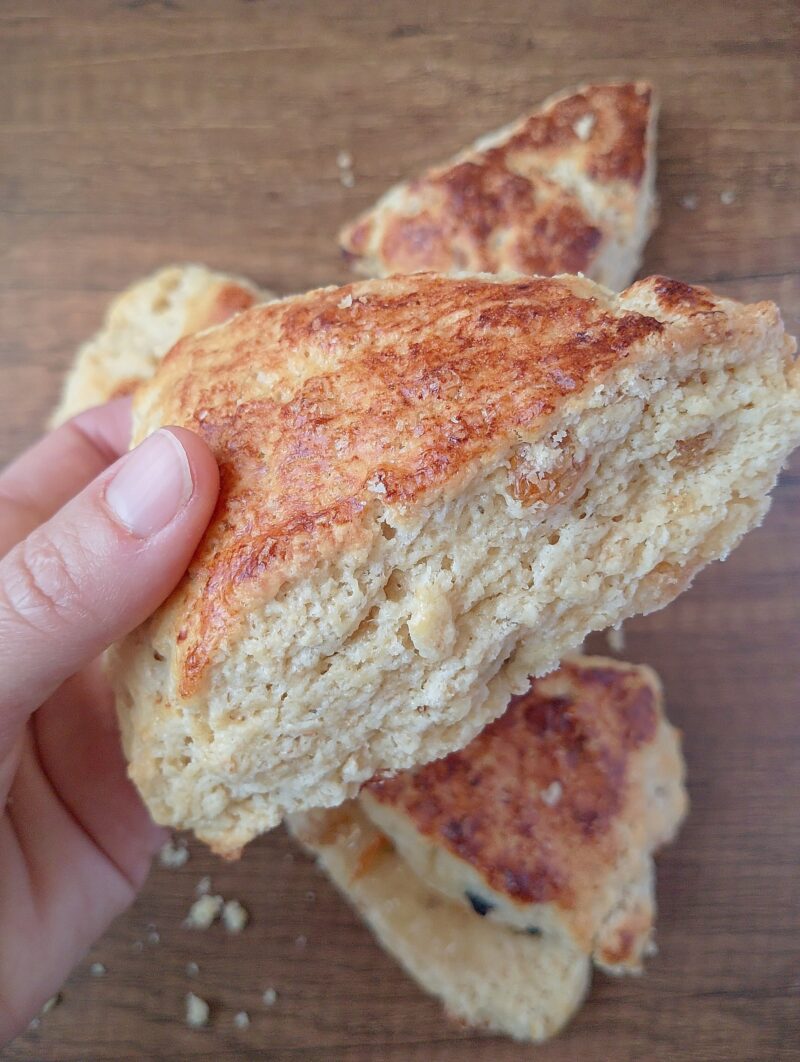
Use in place of buttermilk or kefir: I have used clabbered milk in many recipes as a substitute for buttermilk or kefir, and it has always worked beautifully. It behaves very similarly in baking and gives excellent results. Clabbered milk is perfect for muffin batters, cakes, and biscuit recipes. In fact, I have yet to find a recipe where clabbered milk doesn’t work well as a buttermilk replacement.
Try my sourdough scones recipe—I often make them with clabbered milk instead of buttermilk. They turn out the best scones I’ve ever tasted: fluffy, tender, and buttery.
Add to pancake or crepe batter: Clabbered milk gives pancakes a fluffier texture and a pleasant, slightly tangy flavor. It also works beautifully in crepe batter, where you can use it instead of water or regular milk. Its natural acidity helps activate baking soda, which results in lighter, fluffier pancakes. It also creates beautifully soft, tender crepes with a subtle richness.
Replace some of the water or milk in breads or rolls: This adds richness to breads, flatbreads, dinner rolls etc. You don’t have to replace all the water with clabbered milk, using a mix of water and milk is completely fine. The acidity helps create a softer crumb and can improve the keeping quality of homemade bread.
Mash a little into potatoes: Clabbered milk makes a creamy, slightly tangy mashed potato and works well as a substitute for cream. It won’t be quite as rich as cream on its own, but you can easily balance that by adding butter.
Stir into curries or soups: Clabbered milk adds creaminess to soups and curries without making them too rich. To prevent curdling, add it at the end of cooking, keep the heat low, and avoid boiling after it’s added. I recommend using between 1/4 cup and 1/2 cup per recipe, depending on the amount you’re making. Try my creamy red lentil and chicken stew and simply replace the heavy cream with clabbered milk.
Marinate meats or chicken: The lactic acid in clabbered milk helps tenderize meat beautifully. If a marinade recipe calls for yogurt, thick clabbered milk makes an excellent substitute. I especially love using it in Indian-inspired cooking, such as tandoori chicken.
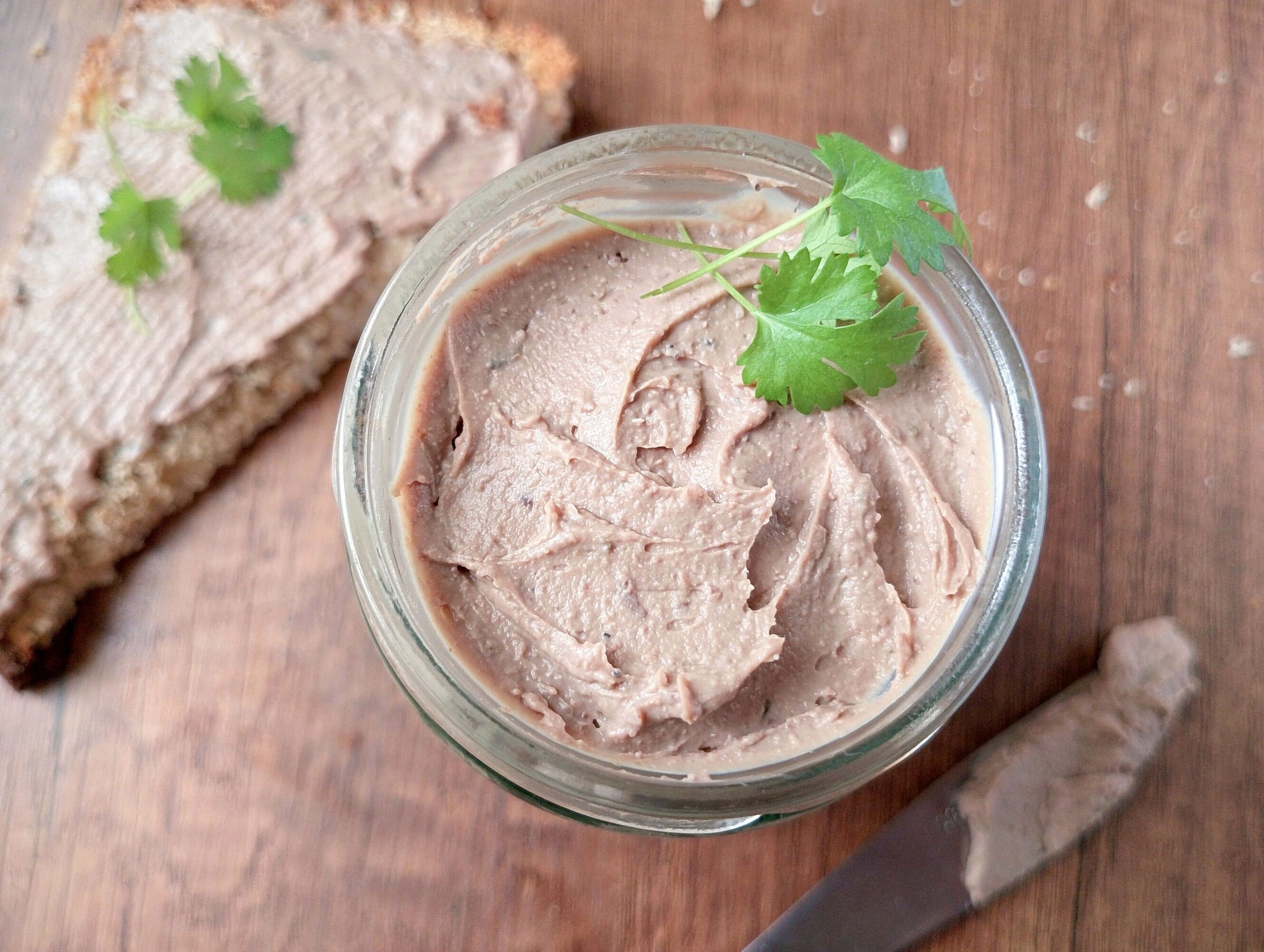
Make probiotic dressings or dips: Mix strained clabbered milk with fresh herbs, spices, or garlic. Its tangy flavor is lovely in ranch-style dressings, creamy herb dips, and cultured vegetable sauces.Try my cottage cheese dip recipe and simply replace cottage cheese with thick, strained clabber. I also often use it to make quick garlic sauce (just clabber mixed with finely grated garlic).
Blend into smoothies and popsicles: This is an easy way to boost probiotics and add flavor, especially when paired with berries, bananas, honey, and warm spices like cinnamon or vanilla. You can use quite a bit of clabbered milk in fruit-based recipes without your kids noticing any sourness.
Soak grains or flour overnight: Use clabbered milk to soak grains or flour overnight before making porridge, pancakes, muffins, or bread. The natural acidity helps break down phytic acid, improving both digestibility and flavor. It works especially well for soaked muffins or pancakes made with whole wheat flour, which can taste a bit ‘heavy’ if you don’t soak them.
Fermenting & Cultured Foods
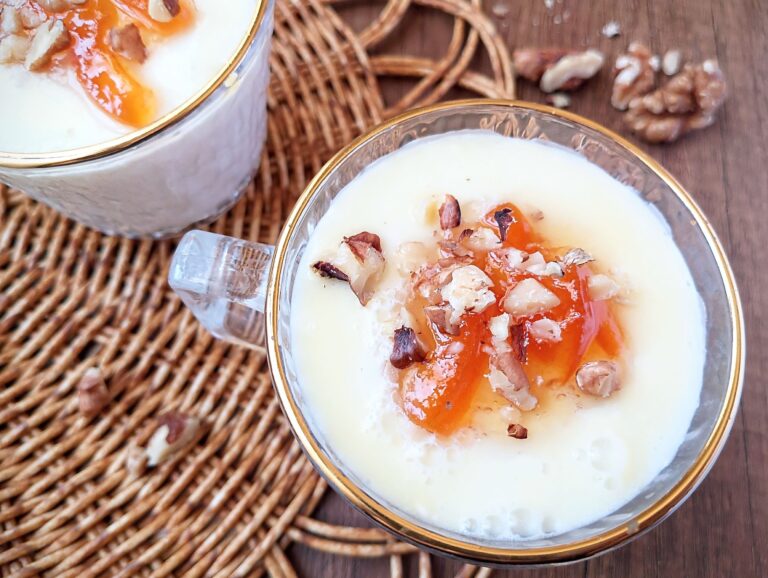
Strain for thick “Greek-style” yogurt: If you want yogurt with fruit and nuts for a snack but have run out, clabbered milk is an easy substitute. Simply let it drain in a colander lined with cheesecloth (or a clean cotton tea towel) for 30–60 minutes, or until it reaches your desired thickness. It becomes thick, smooth, and tangy, and works really well as a replacement for Greek yogurt.
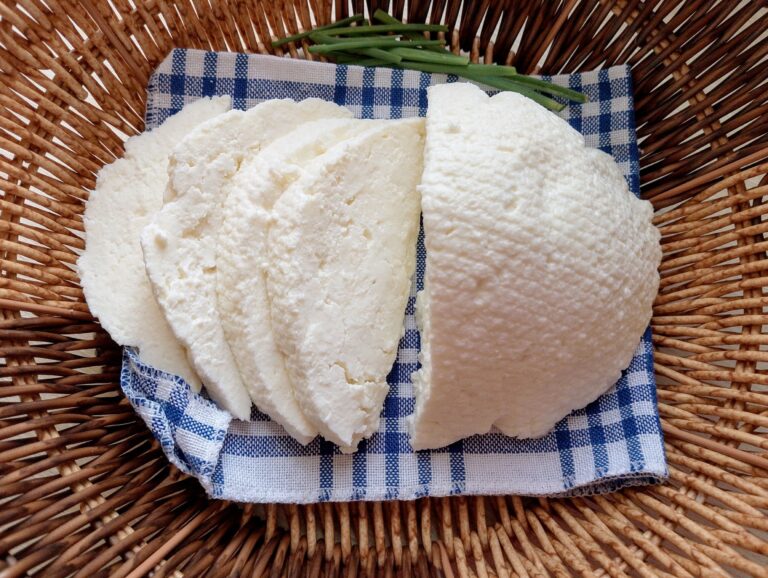
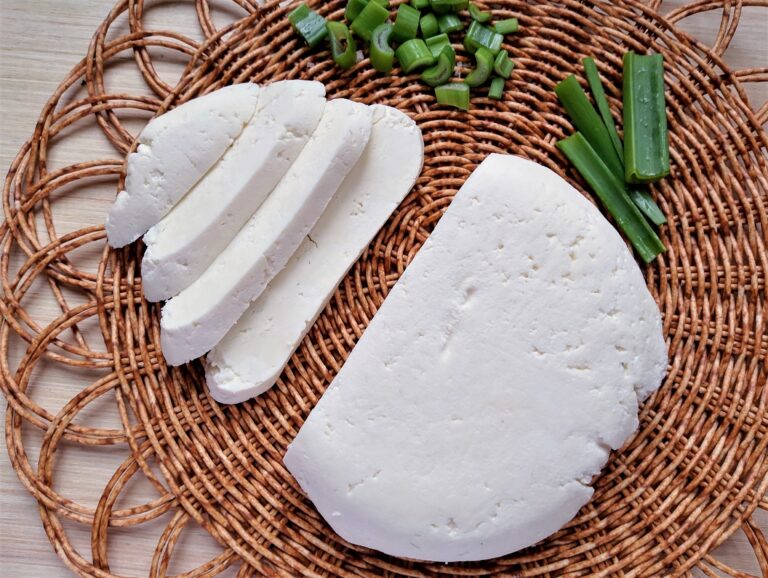
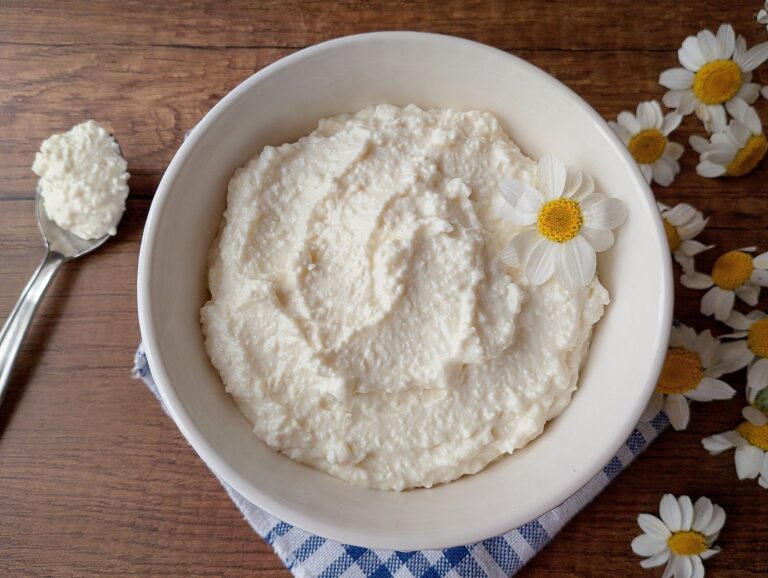
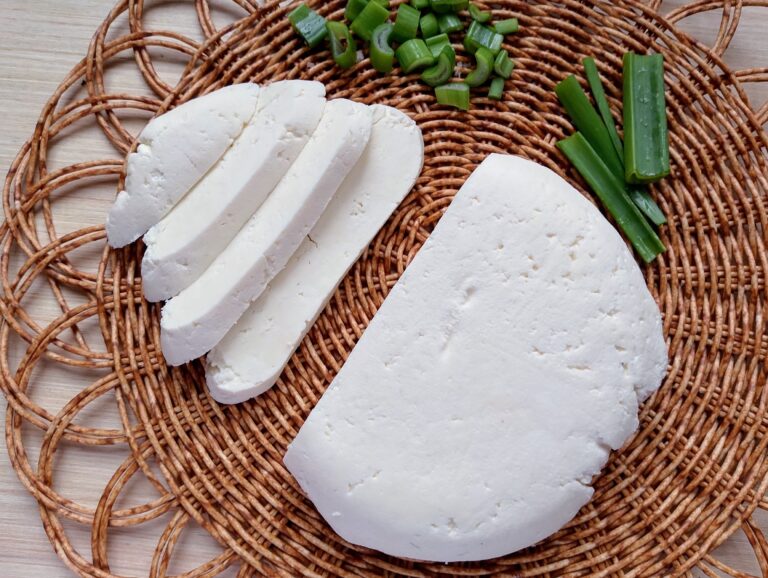
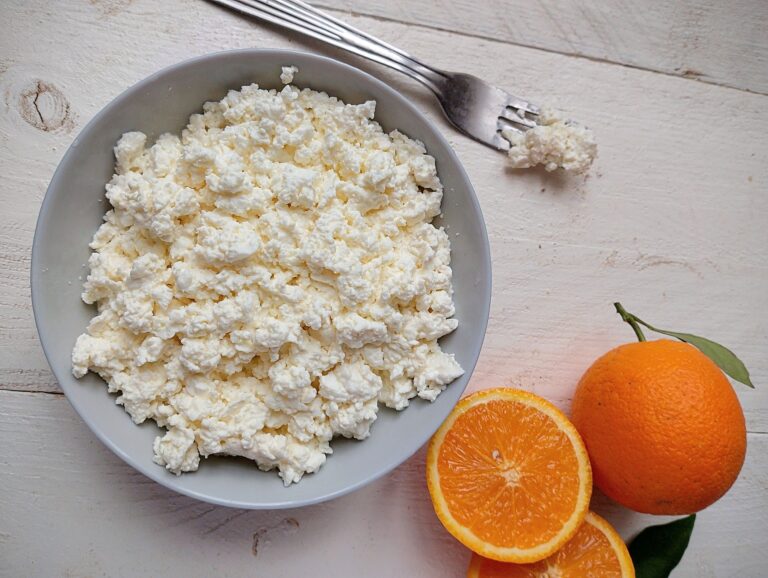
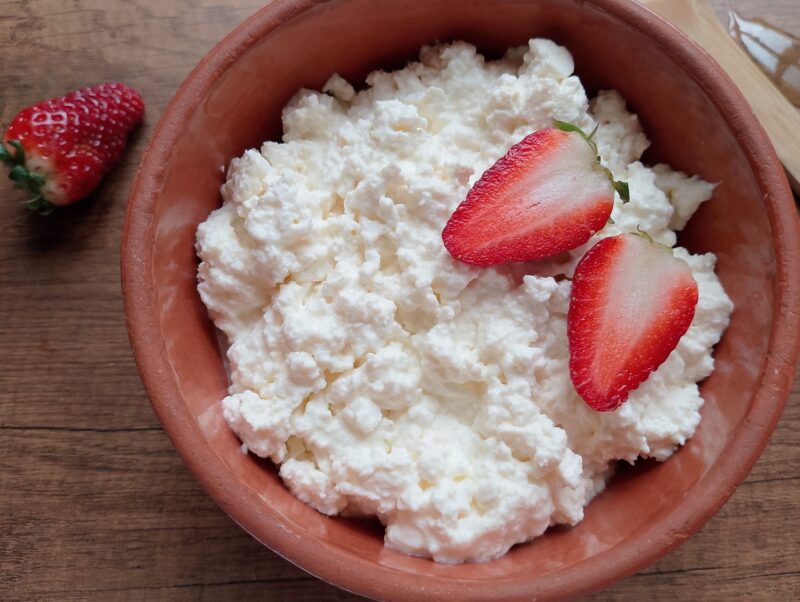
Make fresh cheeses: I was amazed when I first learned that you can turn clabbered milk into a wide variety of cheeses without any rennet or added cheese cultures. I have several fresh cheese recipes on my blog that use clabber as the base.
Try fromage blanc if you want a soft, spreadable cheese for toast. Make quark or cottage cheese if you need something for baking. Or try farmer’s cheese if you prefer a drier, more crumbly texture. You can make all of these from clabbered milk, although the methods vary slightly. This means each recipe produces a slightly different cheese, with its own unique taste and texture.
Culture fresh milk: Use a small amount of clabbered milk as a starter culture for fresh raw milk to encourage it to sour and ferment properly. This helps speed up the fermentation process. I often use this method when I want to make a large batch of clabber for cottage cheese quickly—my toddler loves it, and no matter how much I make, we always seem to run out.
Kickstart fermented batters: Add a spoonful of clabbered milk to fermented batters like sourdough pancakes, dosa, or soaked grain batters to help encourage beneficial fermentation. It also adds flavor and a gentle tang.
Skincare
While my favorite way to use up clabbered milk is in the kitchen, it’s also wonderful for skincare. Traditionally, women used sour milk and buttermilk as face masks to help achieve smoother, more radiant-looking skin. I often enjoy reading old books and recipes, and I sometimes come across mentions of these simple dairy beauty rituals.
Here are some gentle skincare uses for clabbered milk:
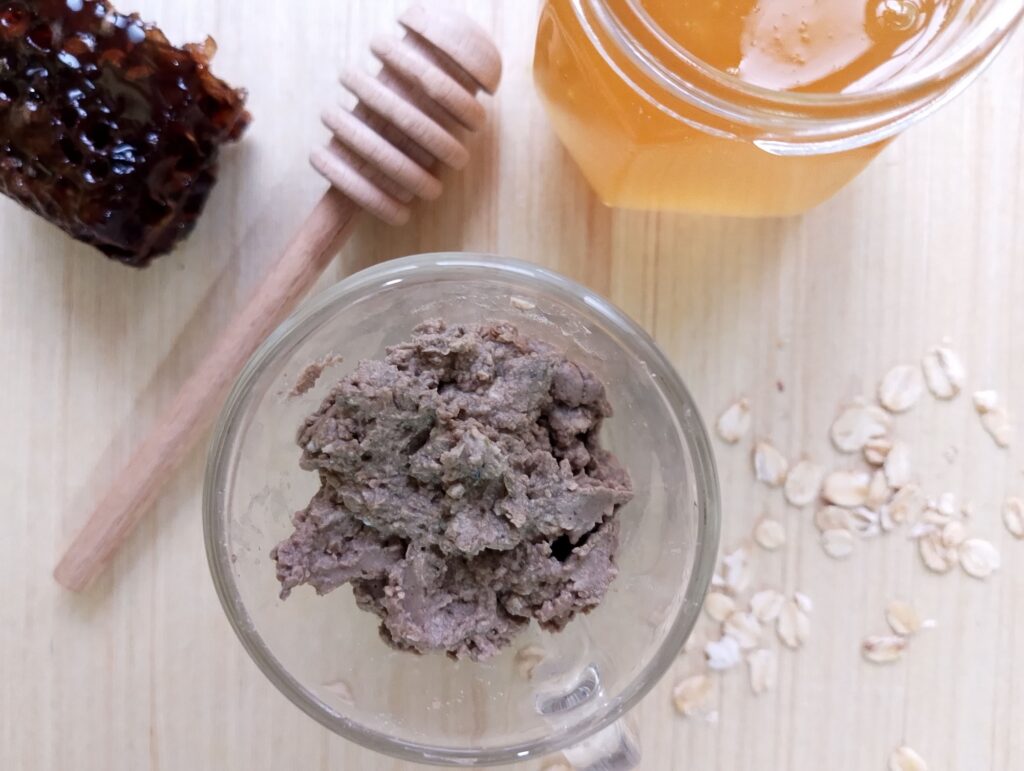
Face mask: You can apply clabbered milk as a simple, gentle face mask, either on its own or mixed with other ingredients like ground oats or clay. It contains natural lactic acid, which helps to softly exfoliate and smooth the skin.
Leave it on for a few minutes, then rinse well for a refreshed, soft feel. You can also try it in my simple oatmeal and clay mask.
Milk bath: Add clabbered milk to a warm bath for a soothing, skin-softening soak that gently nourishes and hydrates the skin. For the best results, you’ll need a generous amount—at least 2 cups, and ideally up to a quart. Clabber is rich in fat and lactic acid, which helps leave your skin feeling smooth, soft, and pampered after a soak.
Soap making: In traditional soap making, clabbered milk can be used as part of the liquid phase. It creates a creamier, more conditioning, and softer bar with a nourishing feel. This works especially well for bath soaps, face soaps, or hand soaps for sensitive skin. It’s important to use ice-cold clabbered milk, or even partially frozen clabber. Otherwise, like fresh milk, it can scorch when it comes into contact with soap lye.
Garden & Homestead Uses
Using clabbered milk in the garden or around the homestead may seem like a bit of a waste of good food. However, there are times when you simply end up with more clabbered milk than you can use, and no way to store the extra. Or you may also over-ferment clabber by accident, until it becomes too strong or unappetizing to eat. Even then, it can still be useful in the garden rather than wasted.
In those cases, here are my favorite ways to use it:
Feed to poultry: I have fed clabbered milk to quail and chickens, but not on its own. If you simply put it in a bowl, they’ll make a huge mess. Instead, I mix it with grain or stale bread. They absolutely love it and will fight over it. Clabber is protein-rich and makes a great occasional treat for all kinds of poultry.
Water acid-loving plants: You can use diluted clabbered milk as a natural feed for acid-loving plants like blueberries and hydrangeas. Always dilute it first—never use it undiluted, as it can create a sour smell in the soil and may overfeed your plants. A good starting ratio is 1 part clabber to 5–10 parts water.
Add to compost: You can add small amounts of clabbered milk to your compost heap to introduce beneficial microbes and help speed up the breakdown of organic matter. Just be sure to balance it with carbon-rich materials like leaves, shredded paper, or straw. This helps maintain a healthy balance of greens and browns in your compost pile.
Natural fertilizer spray: You can use clabbered milk as a foliar spray or soil drench to deliver nutrients and beneficial microbes to your plants. Use it sparingly and always dilute it well to avoid unpleasant smells and to prevent overfeeding your plants.
Best Tips for Using Clabbered Milk
- Label jars with dates so you know what to use first. Clabbered milk can last quite a while in the refrigerator, but it is best used within 1–2 weeks.
- Use clean containers and utensils when making or storing clabbered milk. This helps prevent unwanted bacteria or mold from developing.
- Don’t use spoiled milk. Avoid milk that smells or tastes off before clabbering, as this can indicate unwanted bacterial growth rather than controlled fermentation. Properly fermented milk should smell pleasantly tangy and clean, not putrid.
- Freeze for baking. For convenience, freeze clabbered milk in portions so you can defrost only what you need. Once thawed, it may become slightly grainy, so you may prefer to use it in muffins, pancakes, or other quick breads rather than drinking fresh.
- Stir before using if needed. If it looks separated (which can happen when it ferments a bit longer), give it a stir to bring it back together. This helps create a consistent texture and even distribution in recipes. If it is thick like yogurt and not separating yet, stirring is optional—unless you want to redistribute the cream layer.
- Separate curds and whey if desired. You can strain clabbered milk and use the parts differently—curds for dips, soft cheese, or baking, and whey for soaking grains or making probiotic sodas. I have a separate post with 20 great ideas for using whey if you want to explore that further.
Frequently Asked Questions
Why I Love Clabbered Milk
I love clabbered milk for its lovely tangy flavor, its custard-like texture, its wonderful probiotic benefits, and its versatility in the kitchen and around the home. I hope this post inspires you to use clabbered milk in ways you may not have thought of before!
If, like me, you love cheese, start by using it to make cottage cheese or fromage blanc. Then use the leftover whey in some of the ways I share in my post 20 Easy Ways to Use Up Whey.
Do you love old-fashioned homemaking? If so, subscribe to my weekly newsletter where I share my latest recipes, tips, and plenty of homemaking inspiration.