What to Do With Leftover Whey: 20 Easy Ways to Use Whey From Yogurt or Kefir
If you make yogurt, kefir, or soft cheese at home, you’ve probably stared at a jar of leftover whey and wondered what to do with it. I certainly did! For years, I focused on learning to make simple cheeses before I discovered all the ways whey could be used. Inevitably, the jar would sit in the fridge until it got stinky and had to be thrown out—something I now find almost embarrassing, knowing how valuable whey really is. Whey is packed with nutrients, beneficial acids, and has been cherished in traditional kitchens for centuries. In this guide, I’ll share easy, practical ways to use leftover whey in baking, cooking, fermentation, and even gardening—so you’ll never feel like throwing it away again.
Update: This post was originally published with 10 ideas. It has now been expanded to include 20 ways to use leftover whey.
What Can You Do With Leftover Whey?
You can use leftover whey in many ways in the kitchen and around the homestead, including:
- Adding it to bread dough
- Making ricotta
- Adding it to soups and stews
- Cooking grains in whey
- Using it in pancakes or muffins
- Adding it to smoothies
- Fermenting fruit
- Making probiotic lemonade
- Feeding it to chickens or livestock
- Using it in the garden
What Is Whey?
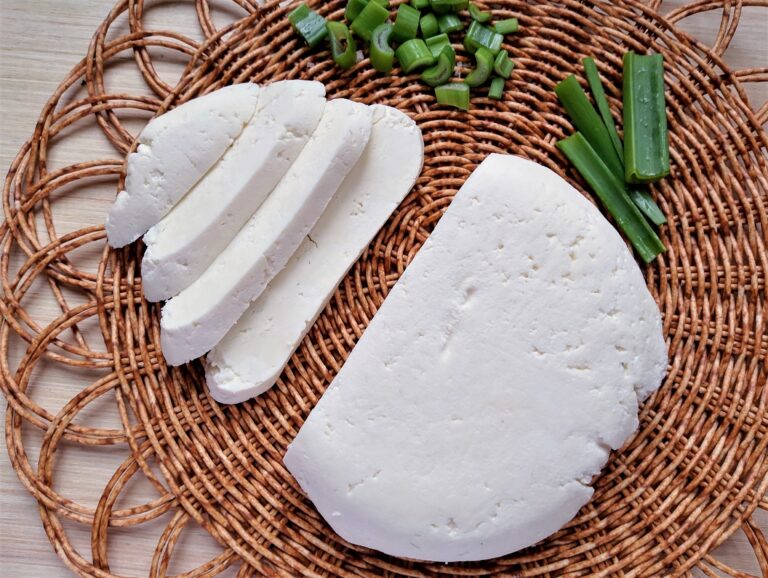
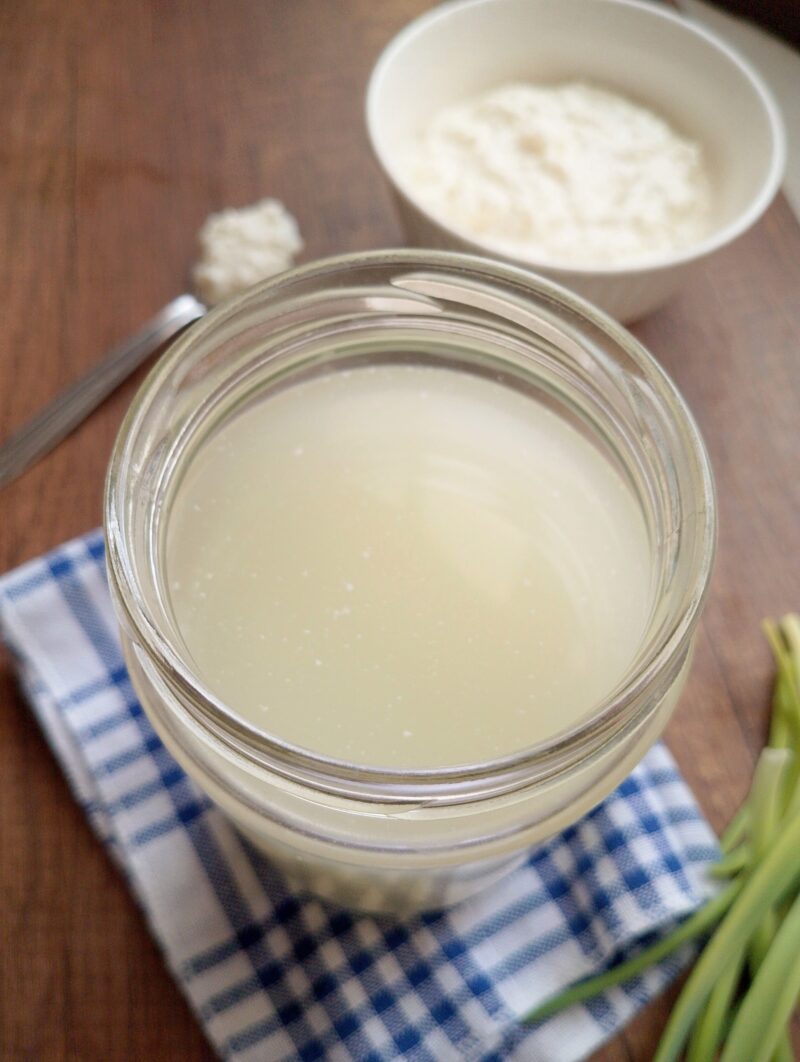
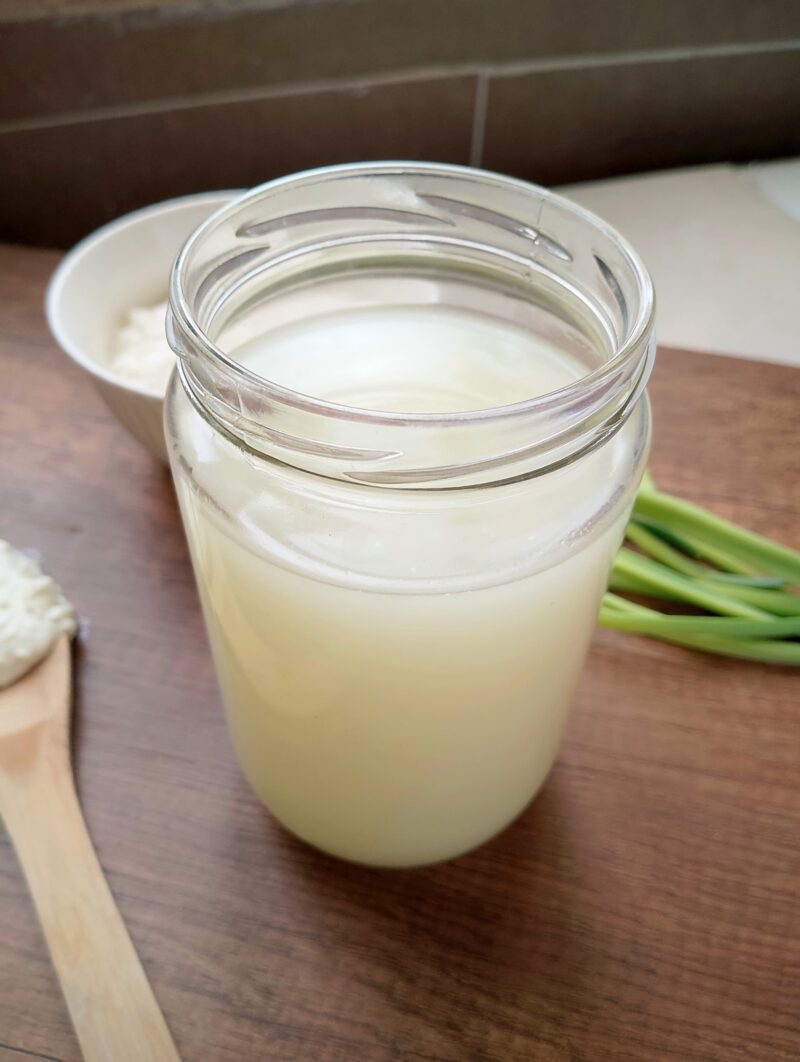
Whey is the pale golden liquid left after straining yogurt, kefir, or cheese, and it’s full of minerals, protein, and beneficial acids. When making cheese—like simple cottage cheese—you curdle the milk and then strain it through a cheesecloth to catch the curds, while the whey drips into a separate container. In my home, most of the whey in the fridge comes from our favorite fresh cheeses: raw milk cottage cheese, queso fresco, and paneer. Sometimes I also make Greek yogurt by lightly straining regular yogurt or even thick soured milk, which produces a small amount of liquid whey as well.
Sweet Whey vs Acid Whey
Sweet whey is the byproduct of rennet cheeses, like cheddar, feta, or Swiss, while acid whey comes from making more acidic dairy products—such as yogurt cheese (strained yogurt), kefir cheese (strained kefir), or simple cheeses where milk is curdled with vinegar or lemon juice. In my kitchen, all the whey I have is acid whey, since it usually comes from the fresh cheeses I make.
Acid whey generally has a tangier flavor than sweet whey, which is mild and slightly sweet. But “acid” doesn’t mean it’s overly sour! Most acid whey is quite mild, though the taste can vary depending on its source. For example, whey from kefir cheese can be noticeably tart if the kefir has overfermented. In contrast, the whey from paneer or queso fresco is very gentle in flavor—even though a little vinegar is used, it’s never enough to make the whey taste vinegary.
Raw Whey vs Cooked Whey
Raw whey comes from milk that hasn’t been heated, such as when making raw milk cottage cheese. Cooked whey, on the other hand, comes from milk that has been heated during cheesemaking, like when making paneer. Raw whey is alive with beneficial bacteria, making it perfect for fruit ferments, such as lacto-fermented applesauce, or for probiotic drinks. Cooked whey doesn’t have these live cultures, so you can’t use it for fermentation or for making probiotic lemonade or orangeade. Aside from this difference, both types of whey are largely interchangeable—and you can use either in the 20 ways I’ll outline below.
Practical Ways to Use Leftover Whey
Baking with Whey
Whey can replace some or all of the water, milk, or buttermilk in many baked goods without affecting the flavor (it often makes the flavor even better, especially when it replaces water).
1. Use in Bread Dough
You can replace the water or milk in bread dough with whey for added flavor, nutrients, and a gentle tang. It works well in both yeast breads and sourdough, and can even help improve the texture and crust color.
This is something I do all the time and is by far the most common way I use up leftover whey. If you’re wondering what to do with leftover whey, baking bread with it is one of the easiest solutions—especially when you have a lot of whey to use up at once.
When whey replaces the water in a bread recipe, it adds a subtle richness and gives the loaf a slightly deeper golden color. I find it especially lovely in simple everyday breads.

2. Use in Pizza Dough
Whey works beautifully in pizza dough and gives it a gentle tang similar to sourdough. The flavor is subtle and very pleasant.
Simply replace the water in your pizza dough recipe with whey.
It’s an easy way to add a little extra flavor and nutrients to homemade pizza without changing the recipe.
3. Make Pancakes or Waffles
Leftover whey can replace part of the milk in recipes for pancakes, waffles, muffins, and crêpes.
For pancakes, waffles, or muffins, substitute up to half of the milk with whey. If a recipe calls for 1 cup of sour milk, you can use ½ cup sour milk and ½ cup whey instead. For crêpes, which use more liquid, you can replace the milk or water in the batter with whey.
I usually don’t replace all the milk in pancakes or waffles because milk adds a richness that whey doesn’t quite provide. Using half whey works perfectly in my kitchen though, and my kids never notice the difference. When I want to use up a larger amount of whey, I often make crêpes since the batter uses quite a bit of liquid.
4. Use in Muffins or Quick Breads
You can add leftover whey to muffin and quick bread batters by replacing some or all of the liquid in the recipe with whey.
Swap an equal amount of whey for the milk or buttermilk called for in your recipe. This adds moisture, a subtle tang, extra protein, and can even help your baked goods rise a little better.
In my kitchen, I usually replace about half of the milk or buttermilk with whey to keep some richness. Both the sourdough discard biscuits and the sourdough tallow biscuits on my blog turn out beautifully with the addition of whey.

Cooking with Whey
Whey adds minerals, protein, and a mild tang to everyday meals.
5. Cook Grains
You can use leftover whey to cook grains by replacing the water or stock in your recipe.
Simply use whey instead of the liquid called for and cook your grains as usual. This adds extra protein, minerals, and a subtle tang to grains like rice, quinoa, or barley.
It’s an easy way to boost nutrition in everyday meals without changing the flavor too much.
6. soak grains
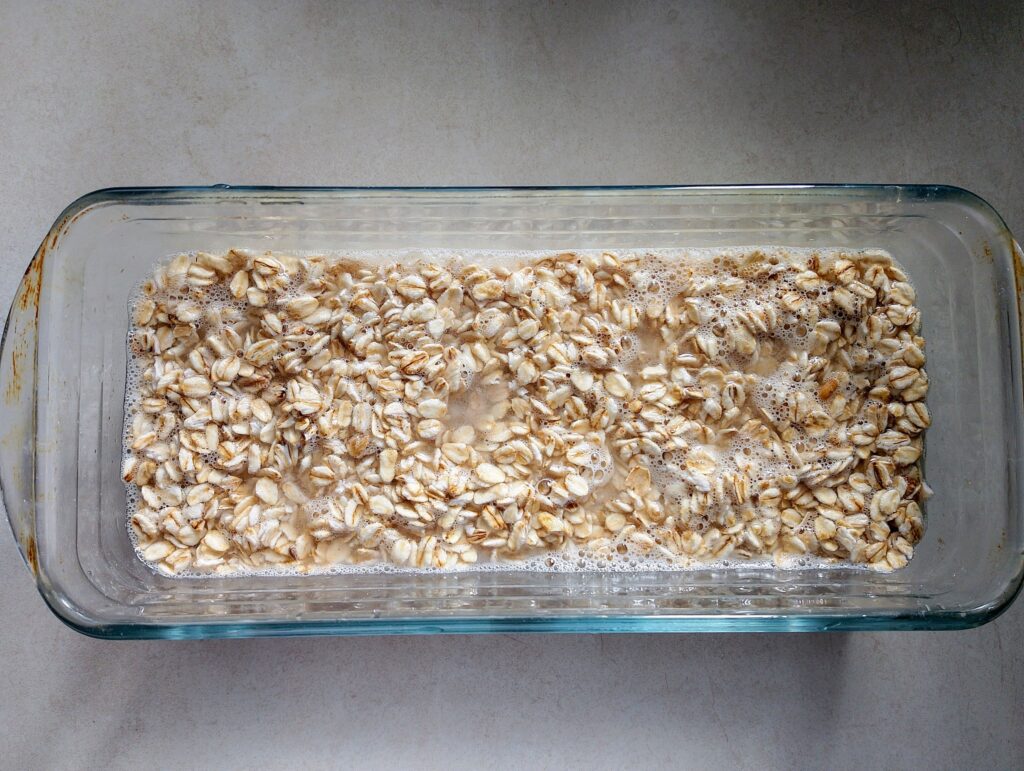
Leftover whey works fine as an addition to water when soaking grains. Soaking grains is an old-fashioned practice which helps reduce anti-nutrients like phytic acid and improves the absorption of vitamins and minerals. I remember my grandma putting her oatmeal to soak every night before bed, so she could make herself a hot bowl of porridge early in the morning (she loved to get up at 5am every day).
To do this, use about 1 tablespoon of whey per 1 cup of dry grains and add enough warm water to cover. Let the grains soak in a warm spot for 12–24 hours. After soaking, drain and rinse them briefly before cooking (oatmeal is an exception and doesn’t need rinsing). Soaked grains also cook faster and result in a smoother, creamier porridge.
I find that soaking grains in whey not only makes them more nutritious, but it also improves digestion and prevents bloating—plus my porridge comes out perfectly creamy every time.
7. soak beans and other legumes
Leftover whey can be used to soak beans, lentils, dried peas, and chickpeas before cooking.
Simply cover the legumes with whey (or a mixture of whey and water) and let them soak. Large beans and chickpeas usually benefit from a full 24-hour soak, while smaller legumes like lentils need less time. In very warm weather, 12 hours is often enough, and I don’t recommend soaking anything longer than 24 hours, as whey won’t prevent spoilage if left too long.
I like using whey to soak legumes because it not only helps reduce cooking time, but it also adds a subtle tang and extra nutrients to the beans—just keep an eye on soaking time and temperature to avoid over-fermenting.
8. add to Soups or Stews
Leftover whey makes a great addition to soups and stews to boost flavor, nutrients, and probiotics.
You can either replace a small amount of the stock in the recipe with whey—about ½ cup per quart of stock—or stir in a teaspoon or two just before serving. If you want to preserve the probiotic benefits of raw whey, wait until the soup has cooled slightly so it’s no longer hot before adding the whey, otherwise the beneficial bacteria will be destroyed.
I like using whey in soups and stews because it adds a subtle tang and extra nutrition without changing the flavor too much, and it’s an easy way to use up any leftover whey in the fridge.

9. use in mashed potatoes
Leftover whey can be used in mashed potatoes to add extra minerals and a gentle tang.
Replace up to half of the milk in your recipe with whey. If you want to replace all the milk, add a little butter to keep the potatoes rich and creamy.
Using whey in mashed potatoes boosts nutrition without changing the flavor too much – your family will barely notices the subtle tang (if at all).
10. Add to oatmeal or porridge
Leftover whey can replace part or all of the cooking water or milk in oatmeal or porridge.
Simply substitute whey for some or all of the liquid in your recipe and cook as usual. I recommend starting by replacing no more than half of the water or milk, since whey is less rich than milk and a full swap can make the porridge less creamy.
In my kitchen, I usually replace half the milk with whey. It adds a mild tang and extra protein, while keeping the porridge rich and satisfying for the whole family.
11. Use to Tenderize Meat
Leftover whey can be used as a gentle marinade for tougher cuts of meat.
Simply combine whey with herbs, garlic, and salt, and let the meat marinate in the refrigerator for several hours before cooking (or overnight). The mild acidity helps tenderize the meat naturally.
Using the whey in marinades softens the meat without overpowering the flavor, making it perfect for rustic, family-friendly meals.
12. Add Whey to Scrambled Eggs
You can add small amounts of leftover whey to scrambled eggs to make them softer, fluffier, and more protein-rich.
Simply whisk a small splash of whey into your eggs before cooking and proceed as usual.
It gives scrambled eggs a light, tender texture without changing the flavor, and it’s an easy way to use up a little leftover whey.
Ferments and Cultured Foods
Raw whey is rich in beneficial bacteria and works well as a starter culture.
13. Make Probiotic Lemonades
You can use leftover whey to make probiotic lemonade, orangeade, or other fermented fruit drinks.
To make probiotic lemonade, mix 1–2 tablespoons of raw whey per cup of sweetened lemon water, and add a pinch of salt. The whey provides the beneficial bacteria needed for fermentation—without it, the drink may spoil or ferment into alcohol. Many other probiotic fruit juice recipes also rely on whey, since fruit lacks the natural microbes found on vegetables and won’t ferment successfully on its own. Using whey like this is an easy way to make probiotic beverages at home without needing to buy starter cultures like kombucha or water kefir.
I love using whey for these drinks because it’s an easy way to create homemade probiotic beverages that are tangy, refreshing, and full of good bacteria for the gut.
14. ferment fruit
Leftover whey can be used to ferment fruits like apples or pears, creating tangy, probiotic-rich sauces.
For fermented applesauce, mix 1–2 tablespoons of raw whey per 2 cups (≈500 ml) of mashed apples. Stir well, cover loosely, and let it ferment at room temperature for 1–3 days until it reaches the tang you like. Once it’s fermented to your liking, refrigerate to slow fermentation; it can keep in the fridge for 2–3 weeks.
I don’t often make fruit ferments because they don’t last as long as fermented vegetables, but fermented applesauce and pear sauce are a lovely treat. Using whey makes it simple to add beneficial bacteria without needing any special starter cultures.
Drinks
Whey works great as an addition to nourishing homemade beverages.
15. Add to Smoothies
Leftover whey can be added to smoothies to boost electrolytes, protein, and beneficial bacteria.
Simply add ¼ to ½ cup of whey per liter (or quart) of smoothie, whether it’s juice-based or milk-based, to avoid an overpowering flavor.
I like using whey in smoothies because it’s an easy way to increase nutrition and probiotics without changing the taste too much—perfect for a quick, healthy breakfast or snack.
16. Add to Homemade Sports Drinks
Leftover whey is great as an ingredient in homemade sports drinks to boost protein, electrolytes, and hydration.
For a simple citrus version, mix 2 cups cold water, ¾ cup freshly squeezed orange juice, ¼ to ½ cup whey, 2 tablespoons honey, and ¼ teaspoon unrefined salt. You can adapt other homemade electrolyte drink recipes by gradually replacing some of the water with whey, tasting as you go to keep the flavor balanced.
I love using whey in sports drinks because it adds nutrients naturally and pairs beautifully with citrus flavors, making a refreshing drink for active days or for hot summer weather (in July and August our daily temps average 40°C/104°F).
Cheesemaking
17. Make Ricotta
Leftover whey can be used to make fresh ricotta by coagulating the remaining proteins.
To do this, gently heat the whey until just below boiling, then add an acid such as vinegar or lemon juice. Scoop out the curds and drain them in a cheesecloth to create soft, fresh ricotta. Keep in mind that you’ll need a lot of whey to make it worthwhile—a gallon (≈3.8 L) of whey typically produces only 3–4 ounces (90–120 g) of ricotta.
It’s a wonderful way to turn what would otherwise be leftover liquid into a creamy, versatile cheese for the kitchen. Try my simple whey ricotta recipe.
For the Homestead
18. Feed to Livestock
You can use leftover whey as a nutritious treat for poultry, including chickens and quail, providing protein and other valuable nutrients while supporting the production of nutritious eggs.
The easiest way to feed it is by soaking old bread or your birds’ grain in whey. Bread works best because it absorbs the liquid. Tear up a few stale slices, pour whey over them, and let them soak for about 30 minutes. Once the bread is soft and has absorbed the liquid, serve it on a rubber plate for your birds to enjoy.
I’ve had great success doing this in my own flock. Some people add whey directly to drinking water, but I don’t recommend it—it often goes to waste if the waterer tips and requires daily cleaning. Soaking it into bread or grain ensures it’s fully used and keeps feeding simple and hygienic.

19. Add to Homemade Dog Food
Leftover whey can be added to homemade dog food to provide extra protein, minerals, and probiotics.
Start by mixing a few tablespoons of whey into each batch and stir well. Make sure your dog tolerates it without digestive upset before gradually increasing the amount.
In my experience, our puppy would happily gobble it up along with other kitchen scraps—dogs are much less picky than cats! Our cat, on the other hand, would turn his nose up at anything that wasn’t meat.
20. Water Garden Plants
You can use leftover whey as a nutrient-rich liquid fertilizer for your garden, thanks to its minerals and beneficial bacterial cultures.
Dilute whey with at least 4 parts water (1 part whey to 4 parts water or more) and water around the base of your plants—avoid pouring directly on the leaves.
I always try to use whey in the kitchen first, but if you make a lot of cheese, the garden is a great way to put extra whey to use. Just be cautious: too much whey can add excess nitrogen and sodium to the soil, which may harm plants over time.
How about fermenting vegetables with whey?
I don’t recommend using whey when fermenting vegetables like sauerkraut or kimchi.
In my experience, adding raw whey to vegetable ferments can disrupt the naturally occurring bacteria on the vegetables, sometimes resulting in mushy kraut, slimy brine, or inconsistent fermentation. Vegetables already carry the microbes needed for safe, successful fermentation, so adding whey isn’t necessary.
I used to follow instructions from Nourishing Traditions and include raw whey as a starter, but after joining a fermentation community online, I learned that it’s not a good practice. Once I stopped doing it, my sauerkraut and other vegetable ferments were consistently crisp, flavorful, and reliable—even when using conventionally grown produce. The bacterial strains in whey are meant for dairy, not vegetables. They can compete with the native microbes, harming texture and flavor.
Whey does have a role in fermentation—just not with vegetables. It’s excellent for fermenting fruits or fruit juices, like lemonade, orangeade, applesauce, or pear sauce, which don’t naturally carry the same beneficial bacteria. For vegetables, though, salt and time are all you need for perfect ferments.
Can You Store Whey?
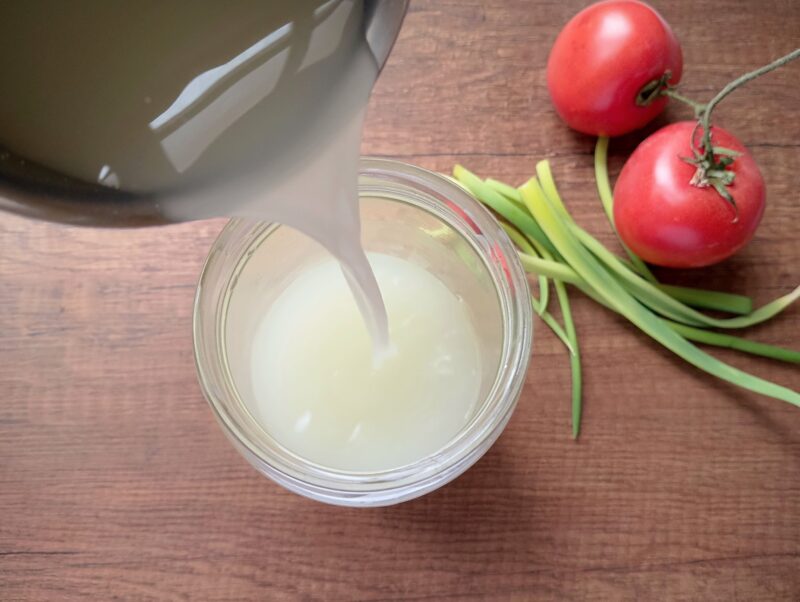
Absolutely! Whey is a wonderful byproduct of cheesemaking, full of nutrients and probiotics (if raw). Here are my tips for storing whey:
How Long Does Whey Last?
- Raw Whey (from raw milk, alive with bacteria):Refrigerated: About 5–7 days. Frozen: Up to 6 months (best for cooking or baking rather than fermentation afterward).
- Cooked Whey (from heated milk, e.g., paneer or ricotta):Refrigerated: 1 week.Frozen: Up to 6 months.
Raw whey has a shorter shelf life when refrigerated because it contains live bacteria, which can continue fermenting sugars in the whey.
Best Storage Methods
- Use a clean glass jar or food-grade plastic container with a tight-fitting lid. Avoid metal containers because whey is acidic and can react with metal.
- Store in the coldest part of the fridge, not the door. Label with the date.
- Freeze in small portions (ice cube trays or half-pint containers) for easy use in smoothies, baking, or cooking. When freezing whey, I use plastic containers rather than glass. Glass can easily break, especially in a chest freezer if it gets knocked.
How to Tell if Whey Has Spoiled
You can tell if whey has spoiled by checking its smell, appearance, and taste. Fresh whey smells tangy and slightly sour, almost like yogurt. Spoiled whey often has a strong, rancid, or ammonia-like odor.
Fresh whey is usually clear to pale yellow and may be slightly cloudy with small curds. Spoiled whey can develop mold, become slimy, or darken to a brownish color.
Taste is another clue. Fresh whey is pleasantly tangy and sometimes slightly salty, depending on the cheese. Spoiled whey tastes overly sour, bitter, or otherwise unpleasant. When in doubt, it’s safest to discard it. You can throw it on your compost pile—acidic whey can still harbor harmful bacteria if stored too long.
For frequent use, keep a small batch of raw whey in the fridge for 5–7 days and freeze extras immediately after cheesemaking. That way, you will always have some on hand for bread, pancakes, fermenting vegetables, or smoothies. Remember to label the containers you use for freezing whey – when frozen it looks very similar so stock!
Tips for Using Whey Successfully
- Use it as a liquid substitute. In most recipes, whey can replace water, milk, or buttermilk in equal amounts, especially in baking and cooking. Remember however that whey is not as rich as milk, so if you want a richer flavor in your pancakes, only replace half of milk with whey.
- Start with small amounts. If you’re new to using whey, try replacing only part of the liquid first. This way you can see how the flavor and texture change. This also makes your taste buds (and your family’s!) easier to adapt to new flavors.
- Use raw whey for ferments. Raw whey contains beneficial bacteria and works well as a starter for probiotic drinks or fruit ferments. Cooked whey does not contain live probiotic bacteria necessary for fermentation and works better for baking and cooking.
- Store it properly. Keep whey in a clean glass jar in the refrigerator and use it within about a week for best quality.
- Freeze extra whey right away. If you make a large batch, freezing whey in small portions makes it easy to add to recipes later. Make sure to label the containers with whey, as it can resemble chicken stock when frozen.
- Taste before using. Whey should smell pleasantly tangy and fresh. If it smells strongly sour or unpleasant, it’s best to discard it (or add it to your compost heap).
- Use it in mild-flavored recipes first. Recipes like pancakes, breads, and soups are great starting points because whey blends in easily.
- Label your jars. If you make whey often, labeling containers with the date helps you keep track of freshness.
- If you have a large amount of leftover whey, it’s best to use it in recipes that call for a lot of liquid, like bread or pizza dough, rather than adding just a tablespoon or two to soups and stews.
Whey FAQ
Final Thoughts
Whey might be a byproduct of cheesemaking, but it’s both healthy and incredibly versatile. With a little creativity and the right knowledge, it becomes a powerful ingredient in any traditional kitchen. I hope these ten ideas have inspired you to see this nutrient-dense liquid not as something to discard, but as a resource worth using with purpose. Once you start incorporating whey into everyday cooking, it stops being a byproduct and becomes a valuable staple. Traditional kitchens rarely wasted it—and with these simple tips, you won’t have to either.
If you’ve discovered another clever way to use whey in your kitchen, I’d love to hear about it in the comments below!
And if you enjoyed this post and want to learn more about traditional cooking, natural skincare, and old-fashioned homemaking, sign up for my weekly newsletter. I share recipes, tips, and simple habits to make home life more peaceful, nourishing, and joyful.