How to Make Fromage Blanc at Home
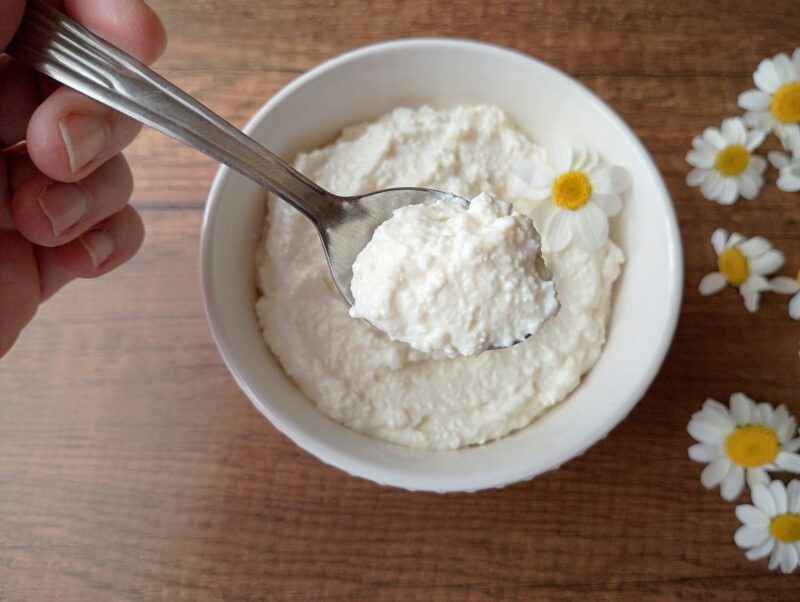
Fromage blanc is one of my favorite fresh cheeses to make at home because of its delicate, silky texture and light, tangy flavor. It’s incredibly simple to make from raw milk that has clabbered but hasn’t yet started to fully separate—this stage is key for achieving that smooth, creamy texture.
Once ready, it works beautifully as a spread on sandwiches, a dip for homemade crackers, or even as a substitute for thick yogurt in recipes. In this guide, I’ll show you how to make fromage blanc with just a few minutes of hands-on time. The rest is simply draining time that requires no effort at all, so you can have fresh cheese ready to enjoy today.
What Is Fromage Blanc?
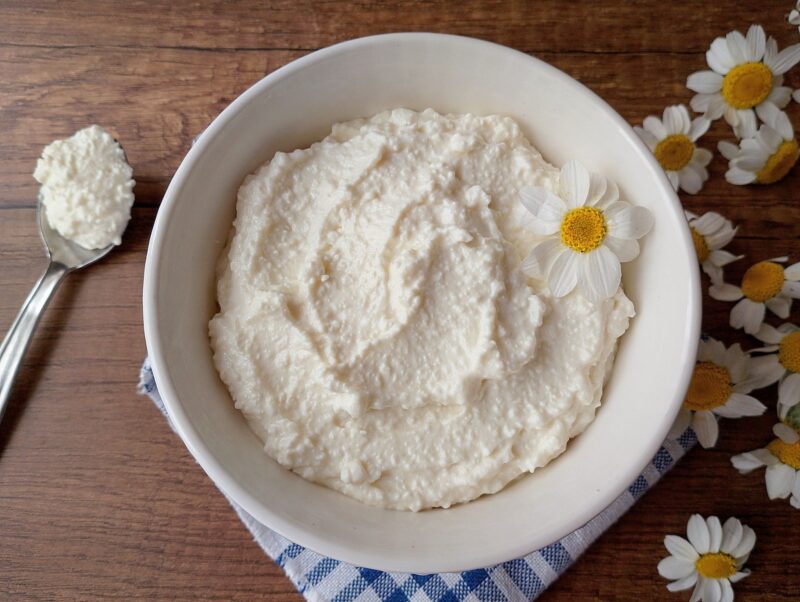
Fromage blanc is a fresh, mild French cheese with a smooth, spreadable texture, often compared to ricotta or thick yogurt. In commercial production, fromage blanc is made from pasteurised milk. The milk is first heated, then a culture and rennet are added. It is left to ferment before being drained until it reaches a creamy, spoonable consistency.
In this tutorial, however, I’ll show you how to make fromage blanc from clabbered raw milk without any added culture or rennet. We also won’t be heating the milk at all. This keeps the natural integrity of raw milk intact and results in an especially silky texture with soft, delicate curds.
What Does Fromage Blanc Taste Like?
Fromage blanc has a fresh, gently tangy flavor that’s similar to yogurt, but a little lighter and less sharp than cream cheese. This mild taste makes it incredibly versatile, working well in both sweet and savory dishes.
The key to the best-tasting fromage blanc made from raw milk is in how you allow the milk to clabber. Let it sit at room temperature until it thickens, but not so warm that it becomes overly sour or starts to fully separate—this can happen more easily in a hot summer kitchen. Once thickened, drain it at a cool room temperature (if your kitchen is very warm, you can let it drain in the refrigerator), then transfer it to the fridge until you’re ready to serve.
Fromage Blanc vs Yogurt vs Cream Cheese
These three dairy products can look similar at first glance, but they’re made differently. They also behave differently in recipes. The texture of fromage blanc sits somewhere between yogurt and cream cheese—it’s silky, spoonable, and has a gentle, light tang. Traditionally, it’s made by culturing milk and then draining it slowly without pressing, which keeps the texture soft and creamy.
Yogurt is also a cultured milk product, but it isn’t technically a cheese. While thick yogurt can resemble fromage blanc in texture, it is usually noticeably tangier and more acidic in flavor. Cream cheese, on the other hand, is a fresh cheese made from cultured milk and cream, which makes it richer than fromage blanc. It is also denser, although still soft and spreadable.
Can You Make Fromage Blanc with Raw Milk?
Yes—you absolutely can! In this recipe, we use raw milk that has been clabbered until thick, but not yet fully separated. At this stage, the milk has the perfect structure for creating a smooth, delicate curd. We then let it drain slowly through cheesecloth until it becomes thick and creamy. Once drained, a little salt and cream are added for extra richness and flavor.
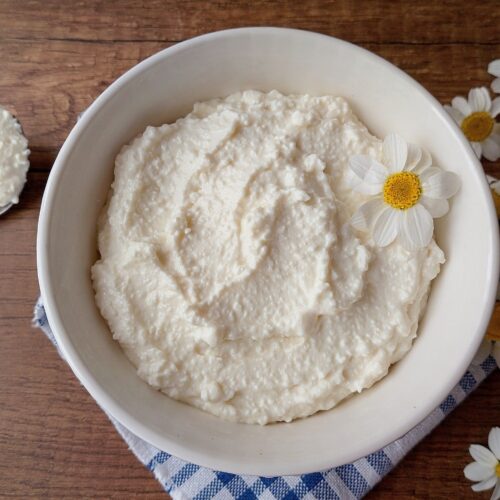
The result is a silky, spoonable fromage blanc with a gentle tang—perfect for spreading over a slice of sourdough or turning into flavorful dips.
What should naturally cultured milk look like before draining?
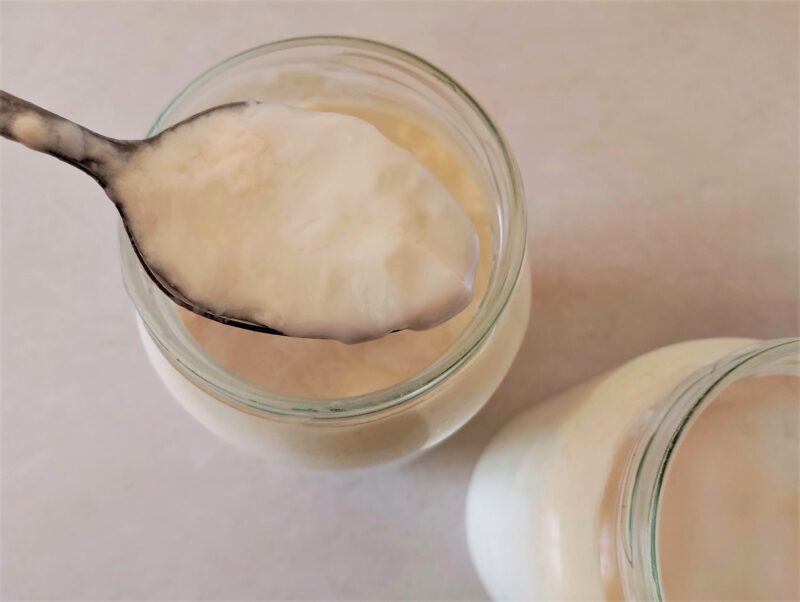
The milk should thicken into a soft, yogurt-like consistency with a clean, slightly tangy smell. For the best fromage blanc, don’t wait until the milk fully separates into curds and whey. Instead, use it while it is clabbered—thickened but still unified. This stage gives you the smoothest, silkiest texture once drained and turned into fromage blanc.
Ingredients For Fromage Blanc
- 2 quarts (liters) clabbered raw milk
- 2 tablespoons cream (optional)
- Salt, to taste
Tools You’ll Need
Fromage blanc, like most fresh cheeses, requires no special equipment—just what you likely already have in your kitchen.
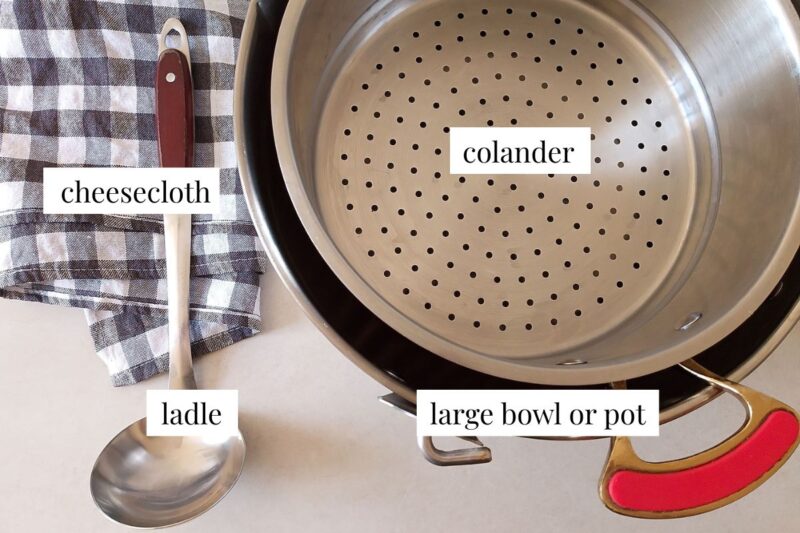
- Cheesecloth or a clean cotton tea towel: Use this to line your colander and drain the curds.
- Ladle: For gently transferring the clabbered milk into the cloth. Don’t pour it—ladling helps protect the soft curds and gives a smoother texture.
- Colander: Holds the cloth-lined curds while the whey drains away.
- Large bowl or pot: Placed underneath the colander to catch the whey as it drains.
How to Make Fromage Blanc Step-By-Step
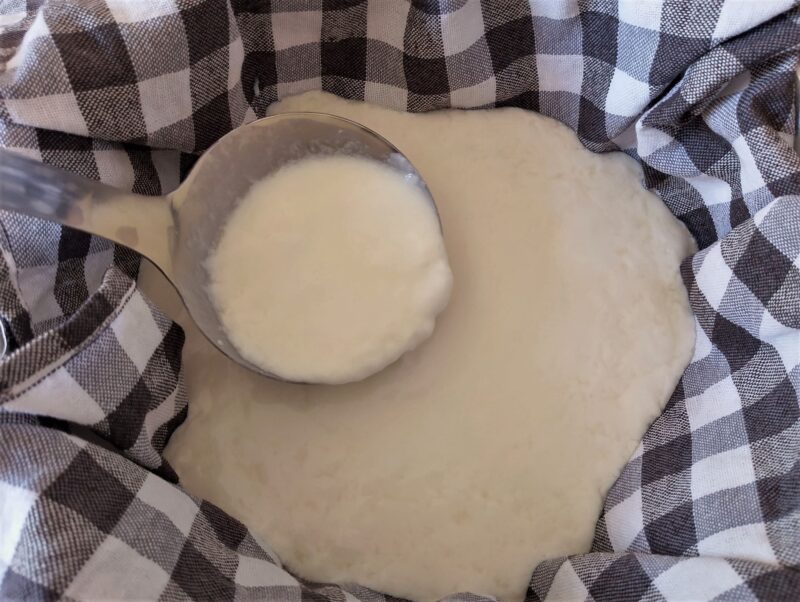
Step 1: Line a colander with cheesecloth or a clean tea towel and place it over a large bowl to catch the whey. Using a ladle, gently transfer the clabbered milk into the lined colander. Avoid pouring it directly, as ladling helps protect the delicate curds and keeps your fromage blanc smoother and silkier.
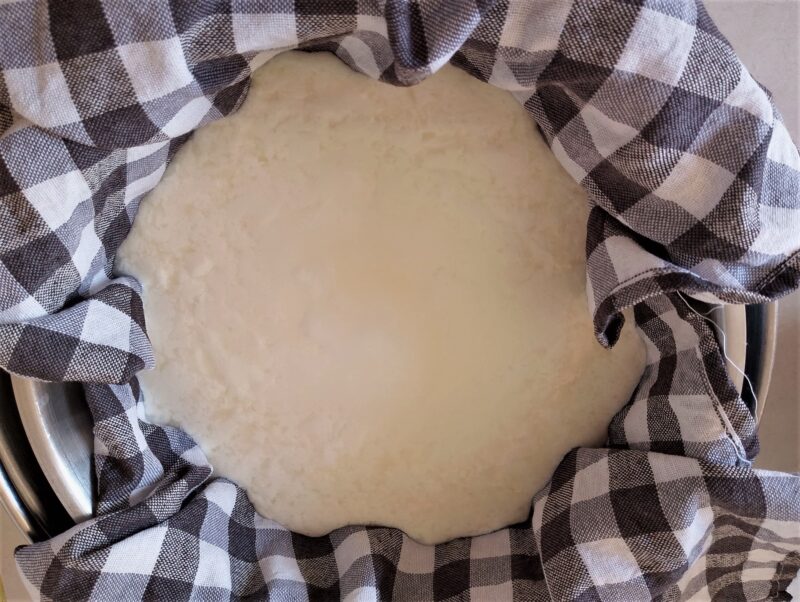
Step 2: Let the clabbered milk drain in the cheesecloth for about 2 hours for a soft, spoonable fromage blanc, or 4–6 hours for a thicker, creamier texture.
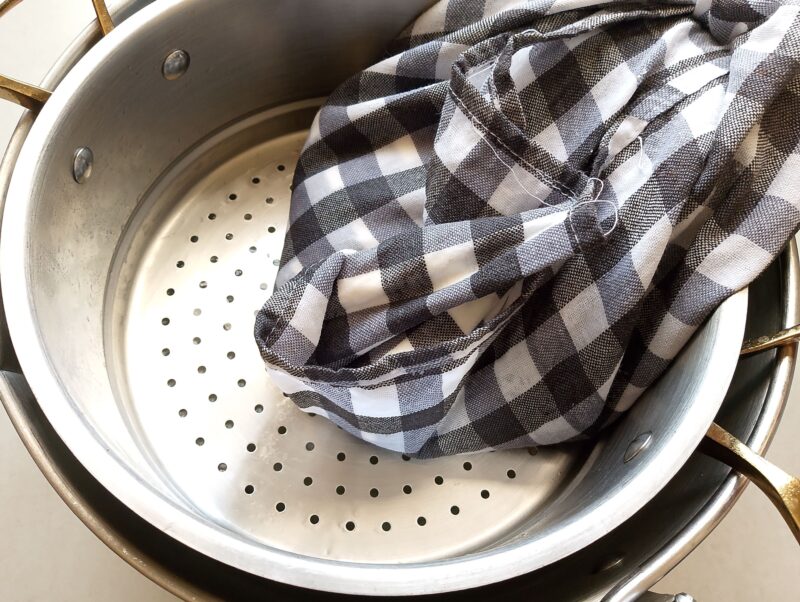
Step 3: To speed up the draining process, you can gently gather the cheesecloth into a bundle and allow it to hang slightly over the side of the colander. This helps the whey drain more quickly while still keeping the curds soft and intact.
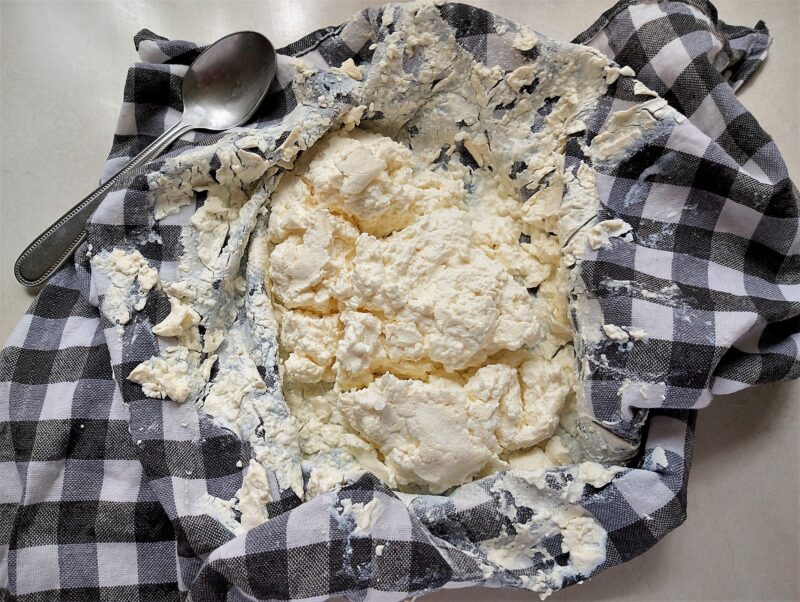
Step 4: Once the fromage blanc has reached your desired consistency, transfer it from the cheesecloth into a medium bowl.
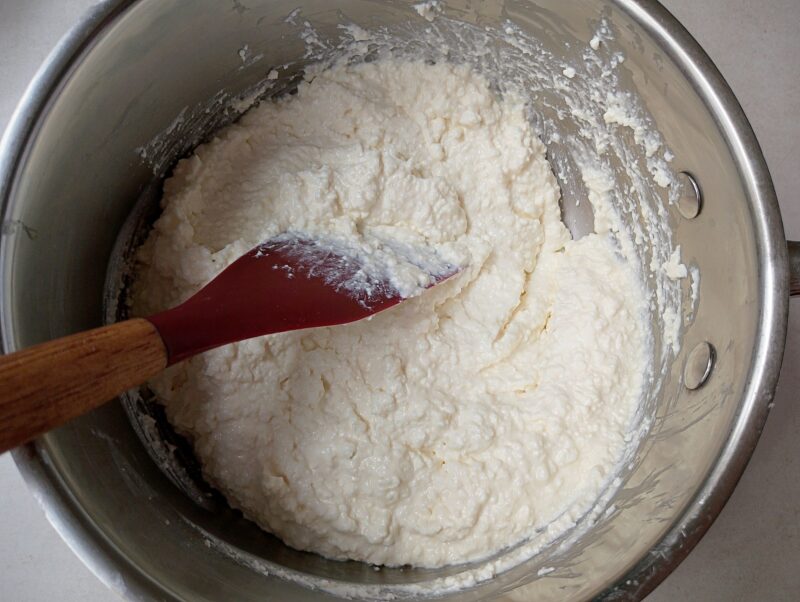
Step 5: Add the cream and a pinch of salt, then use a spatula or the back of a large spoon to mix everything together until smooth and creamy. Avoid using an electric whisk, as it can easily overmix your cheese, causing it to become grainy instead of silky and smooth.
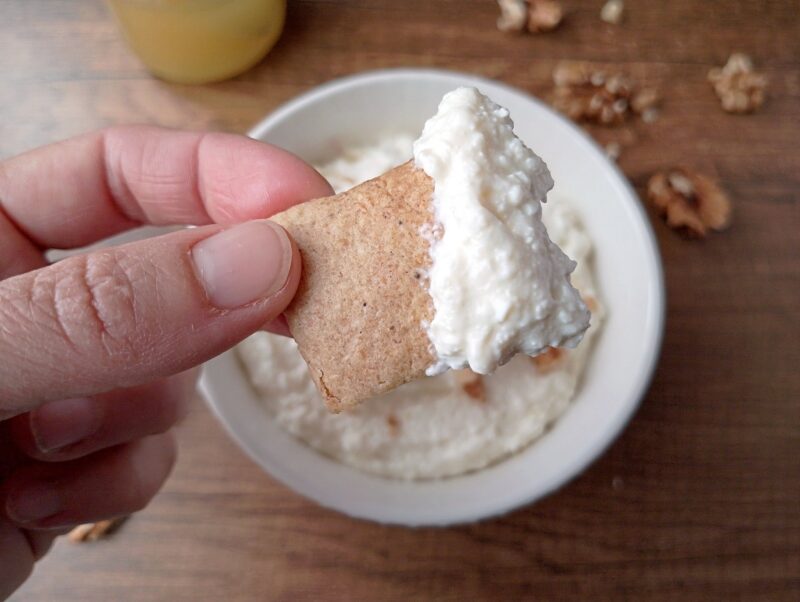
Step 6:Serve your fromage blanc immediately, or chill it in a covered container in the refrigerator until you’re ready to enjoy it.
How Long to Drain Fromage Blanc
The draining time will determine the final texture of your fromage blanc, so it’s worth adjusting it based on how you like to use it.
- For a soft, spreadable fromage blanc, let it drain for about 2 hours.
- For a thicker, creamier consistency, extend the draining time to 4–6 hours.
- If you accidentally let it drain too long and it becomes a little dry, don’t worry—this is easy to fix. Simply transfer it to a bowl and stir in a little whey, one teaspoon at a time, until it reaches your desired consistency again.
- In general, the larger the batch of cheese, the longer it will take to drain. So if you’re making a bigger amount than this recipe, allow extra draining time.
How to Use Fromage Blanc
Homemade fromage blanc is incredibly versatile because it sits right between yogurt, cream cheese, and ricotta. This makes it equally at home in both sweet and savory dishes. Here are some of my favorite ways to serve fromage blanc:
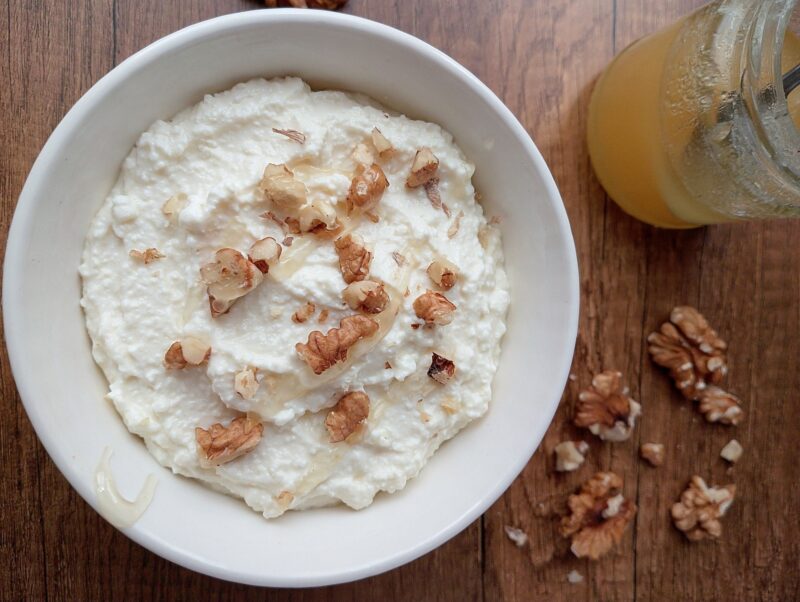
- On its own (the BEST way, in my opinion): Drizzle fromage blanc with runny honey, then top with toasted nuts or homemade granola. You can also swirl in fruit compote or fresh berries.
- As a breakfast option: Spread it on a slice of sourdough and sprinkle with chives, use it as a base for breakfast bowls, or serve it as a topping for pancakes (a much healthier option than syrup and a great protein boost).
- In baking: Fromage blanc behaves like a lighter version of cream cheese or yogurt in baked recipes. It works well in cheesecake, you can add it to muffins for extra moisture, or serve it alongside cakes as a simple dessert cream. For a quick topping, lightly whip it with vanilla and a little sugar.
- In savory dishes: This is where fromage blanc is at its most versatile. Stir it into dips, mix it with herbs as a spread for wraps, add it to mashed potatoes instead of cream, whisk it into salad dressings, or use it as a substitute for sour cream in soups.
Troubleshooting Fromage Blanc
Fromage blanc is very simple to make, and you’re unlikely to run into any issues. However, just in case you do, here are some of the most common problems beginner cheesemakers experience—and how to fix them:
Milk Didn’t Thicken
If your raw milk is very fresh or your kitchen very cool, it may take more than 24 hours for it to thicken. Move your jars of milk to a warmer spot (around 20–25°C) and give them more time (up to 48 hours).
Milk Smells Off or Unpleasant
Clabbered milk should have a clean, slightly tangy smell similar to yogurt. If it smells sour or ‘wrong’ instead, it may have become contaminated and you should discard it. To avoid this problem, always use clean tools and raw milk from a good quality source.
Finished Cheese Is Too Thin
If your fromage blanc has been draining for some time, but is still runny, just give it more time to drain – usually the longer you drain fresh cheese, the thicker (and drier) it becomes.
Cheese Is Too Dry or Crumbly
You have probably left it to drain for a little too long. No worries – stir in a little milk, cream, or even some of the whey back in to soften it. Next time drain your fromage blanc for a shorter time.
Very Tangy or Sour Flavor
If the taste of your fromage blanc is stronger than you expected, the most common cause is that the milk was soured or the cheese was drained in a place that was too warm. The good news is—it is still completely safe to eat. Next time, try letting your milk clabber in a cooler spot, and if your kitchen is very warm, drain the cheese in the refrigerator instead. This will help create a much milder, more balanced flavor. Naturally cultured fromage blanc will always have a gentle tang, but it should be soft and pleasant rather than overly sour.
Tips for Consistent Results
For the best results with your homemade fromage blanc, always start with very fresh raw milk and allow it to clabber at a stable room temperature for the mildest flavor. Patience is key—very fresh milk can sometimes take up to 48 hours to fully clabber. Trust your senses: once the milk has thickened to a pourable yogurt-like consistency and smells pleasantly tangy, you can turn it into fromage blanc.
FAQs
Storage Tips For Fromage Blanc
- To keep your fromage blanc fresh, store it in the refrigerator in a glass jar with a lid, or a covered glass or ceramic container. Place it in the coldest part of your fridge, where it will keep well for 3–5 days.
- It’s completely normal for a little whey to pool on the surface. You can simply stir it back in for a creamier texture, or pour it off if you prefer a thicker fromage blanc.
- Freezing is not recommended, as it can cause the texture to become grainy. If you do choose to freeze it, use the thawed fromage blanc for cooking rather than eating it fresh.
What to Do With The Whey
Don’t discard the whey after making your fromage blanc cheese! It’s a very useful by-product of cheesemaking and can be used both in the kitchen and in the garden. Use it to cook pasta or rice for added nutrition, swap it in for water in bread or pizza dough, transform it into whey ricotta, or even put it to work in the garden as a gentle fertilizer or nutritious feed supplement for your backyard chickens. If you’re not sure where to start, check out my post 20 Ways to Use Up Whey for plenty of practical ideas around the kitchen and homestead.
Final Thoughts
Voila! You’ve made your own fromage blanc! I hope you feel confident and excited to try more fresh cheeses from here. Cheesemaking often looks complicated or mysterious from the outside. Once you’ve made a few simple cheeses and start to understand what each step is doing, it all begins to make perfect sense.
Even better, once you’ve mastered a few fresh cheeses, you’ll feel much more prepared to move on to slightly more “advanced” styles like aged rennet cheeses or even something like Colby.
If you loved this recipe, please come back and leave it a 5-star rating! It really helps support my work and share my recipes with more people.
And for more simple home cheesemaking and other old-fashioned recipes, I’d love to have you join my weekly newsletter.
More Simple Fresh Cheese Recipes
Quark Cheese (Fresh German Style Cheese)
Fromage Blanc Cheese
Equipment
- Cheesecloth or cotton tea towel
- Ladle
- colander
- Large bowl
Ingredients
- 2 quarts (liters) clabbered raw milk
- 2 Tbsp thick cream (optional)
- A pinch of fine salt (optional)
Instructions
- Line a colander with cheesecloth or a clean tea towel and set it over a large bowl to catch the whey.
- Using a ladle, gently transfer the clabbered milk into the lined colander. Avoid pouring it directly, as ladling helps keep the curds smooth.
- Allow the milk to drain for 2 hours for a soft, spoonable fromage blanc, or 4–6 hours for a thicker, creamier texture.
- To speed up draining, you can gently gather the cheesecloth into a loose bundle and let it hang slightly over the side of the colander.
- Once the fromage blanc has reached your desired consistency, transfer it from the cheesecloth into a medium bowl.
- Add the cream and a pinch of salt. Mix with a spatula or the back of a spoon until smooth and creamy. Avoid using an electric whisk, as it can overmix and make the texture grainy.
- Serve immediately, or store in a covered container in the refrigerator until ready to use or up to 3–5 days.
Notes
- Drizzle with honey and top with nuts, granola, or fruit for a simple dessert
- Spread on sourdough toast with herbs, salt, or sliced tomatoes for breakfast
- Use as a creamy topping for pancakes, waffles, or breakfast bowls
- Stir into dips with garlic and fresh herbs for a quick appetizer
- Swap for yogurt, sour cream, or cream cheese in most recipes
- Spoon alongside cakes or desserts with a little vanilla and honey for an easy cream