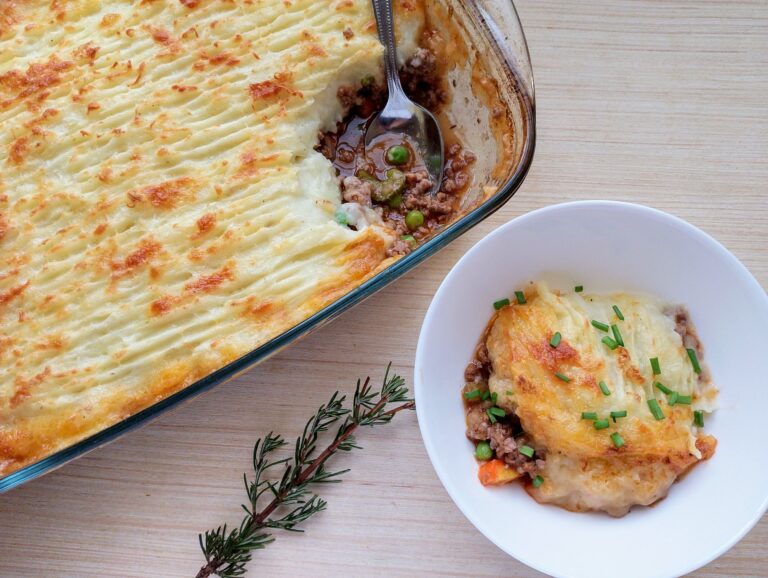
5 Best Tasting Organ Meats for Families (Mild & Kid-Friendly)
Let’s face it—most of us didn’t grow up eating organ meats (and if you did, kudos to your parents!). When I was a young mom, I felt completely intimidated by the idea of cooking them. But I also knew how incredibly nutrient-dense they are, and I wanted to learn how to include them in my family’s diet.
So I pushed through that initial hesitation and started learning, one organ at a time.
In this post, I’m sharing my top 5 picks for the best tasting organ meats—the ones that are mild, easy to cook, and work well when added to dishes your family already enjoys. These are the organs I regularly serve to my own family (yes, my kids eat them too!), and I recommend them as a starting point for anyone beginning a more traditional, nutrient-dense way of eating.
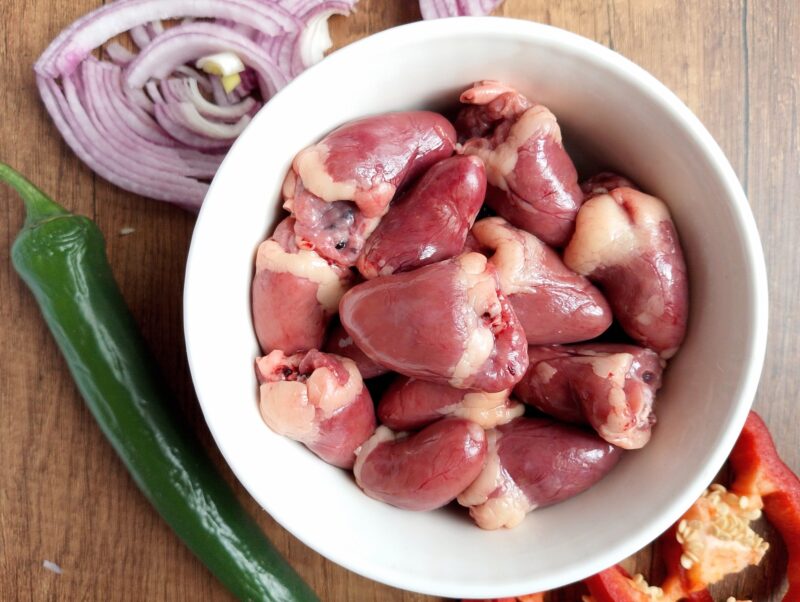
The Best Organ Meats for Beginners at a Glance
| Organ Meat | Taste | Texture | Best Beginner Use |
| Tongue | Rich and beefy | Very tender | Tacos |
| Chicken Hearts | Like dark chicken meat | Firm | Skewers, hash |
| Chicken Liver | Rich and creamy | Soft | Pâté |
| Gizzards | Mild | Chewy | Soup |
| Tripe | Very mild | Soft/chewy | Stews, soups |
Tongue
Beef tongue takes a little longer to cook than some other organs like heart or liver, but it’s my top 1 pick when it comes to best tasting organ meats for families. The reason is simple: the flavor and texture are incredible.
When cooked slowly and gently, beef tongue develops a rich, beefy taste similar to pot roast, with a soft, buttery texture that makes it surprisingly approachable—even for beginners. This is definitely one organ meat you don’t have to force yourself to eat. In fact, my kids literally fight over it when it’s on the table. Like all organ meats, tongue is also highly nutrient-dense, packed with protein, vitamin B12, zinc, iron, and healthy fats that support overall health.
Best Ways to Serve Tongue
Beef tongue is best served after it has been slow cooked until tender, then peeled and sliced thin. From there, it can be used as a healthier alternative to deli meat or added into a variety of family-friendly dishes.
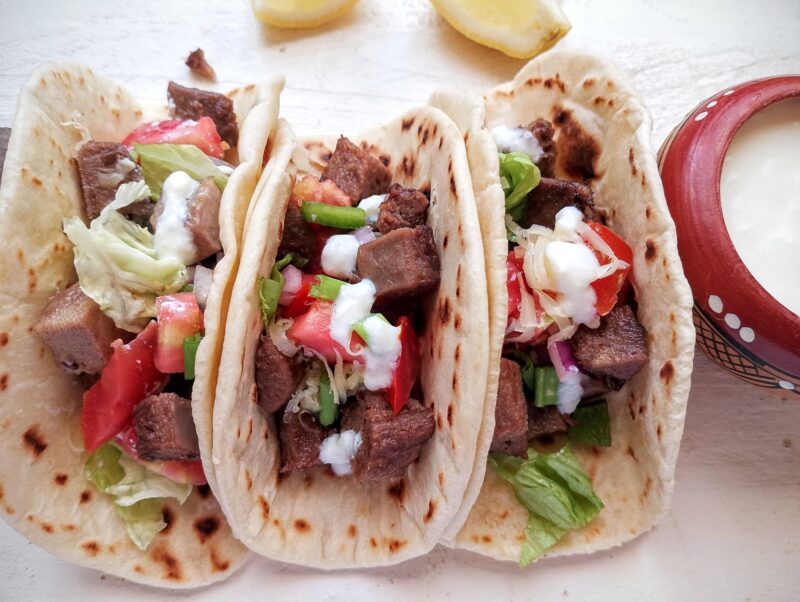
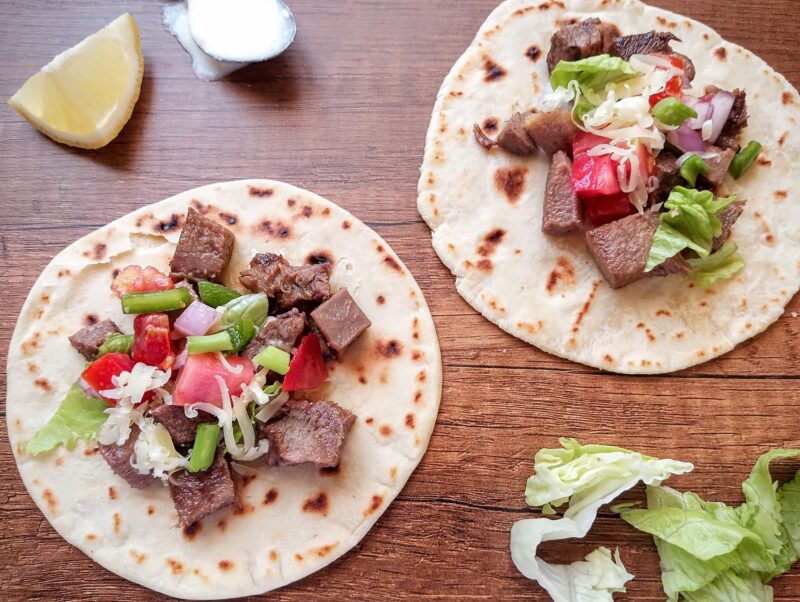
I always cook tongue in well-salted water (salt really does improve the flavor, much like when cooking pasta), along with simple aromatics like onion, carrot, celery, and a bay leaf. Once cooked, some of the best ways to serve tongue include crispy tongue tacos, sandwiches with mustard and pickles, or pan-fried slices with caramelized onions. It also works beautifully added to soups and stews near the end of cooking, where it becomes rich, silky, and tender.
Kid-Friendly Tips For Tongue
My most important tip for tongue—and really all the organ meats in this post—is this: don’t wait until your kids are older to introduce them. As soon as my babies were ready for solids, I started offering small amounts of organ meats. Because of that early exposure, now that they’re older, I don’t have to battle with any of them about eating offal.
Of course, kids will always have preferences at different ages. For example, my 8-year-old won’t touch liver, but happily eats heart. The key difference is that none of them rejects organs on principle or because they think they’re “gross” or “yuck.” When organ meats are just part of normal family meals from the beginning, they grow up seeing them as everyday food.
If your kids are older—or if you’re still getting comfortable with tongue yourself—serve it in familiar dishes where the texture feels comforting and the “organ meat” aspect isn’t obvious. Tongue is especially good for this because, when cooked properly, it tastes very similar to tender roast beef.
Some of the easiest ways to use it are in tacos, quesadillas, grilled cheese sandwiches, pasta sauce (finely chopped or ground), or mixed into shredded beef dishes. Slicing or chopping it small helps make it feel familiar and ensures it blends easily into meals your family already enjoys.
My Favorite Tongue Recipes
Here are some of the most family-friendly dishes using beef tongue—one of the best tasting organ meats for beginners:
- Crispy beef tongue tacos — Pan-fry chopped tongue until crispy at the edges and serve in tortillas with cheese, sour cream, and mild salsa.
- Beef tongue quesadillas — Mix shredded tongue with melted cheese for an easy, kid-friendly meal.
- Slow cooked tongue sandwiches — Slice thin and serve on buttered rolls with mustard, pickles, or caramelized onions.
- Beef tongue soup — Add tender chunks to vegetable or barley soup for a nourishing, comforting dish.
- Tongue grilled cheese melts — Thin slices tucked into toasted sandwiches with cheddar.
Chicken Hearts
Chicken hearts have a rich, savory flavor similar to dark chicken meat, with a pleasantly chewy texture when they’re cooked properly. They’re also one of the quickest and easiest organ meats to prepare.
My favorite way to cook them is a simple sear in a hot pan with butter, finished with a generous sprinkle of salt and black pepper. Chicken hearts are usually the easiest hearts to find. However, if you have access to lamb or beef hearts, you can absolutely try those as well. The flavor is very similar to chicken hearts, though the larger size gives them a slightly meatier bite.
Nutritionally, hearts are incredibly rich in protein, iron, B vitamins, selenium, coenzyme Q10, and zinc, making them a very frugal and nutrient-dense way to support your family’s diet.
Best Ways to Serve Hearts
Chicken hearts are best cooked quickly over high heat. This way they stay juicy and tender instead of becoming tough or rubbery.
Some of my favorite ways to serve them include skewering and grilling, sautéing in garlic and butter, adding them to stir-fries, and simmering them in rich stews. You can also chop them into fried rice, or bread them and pan-fry for a crisp, kid-friendly option. I often like to serve chicken hearts for lunch because they’re easy to portion into small servings for kids and work well alongside simple sides.
If you’re new to preparing them, you can check out my quick tutorial on how to clean and prep chicken hearts before cooking.
Kid-Friendly Tips For Hearts
The biggest hurdle with chicken hearts is usually just how they look. The easiest way to overcome this is to serve them chopped small and mixed into familiar meals.
You can also grind them and add them to ground beef dishes like burgers, meatloaf, or sloppy joes. They are so mild that no one will notice the difference. If you prefer, you can also ask your butcher to grind them for you. A good rule of thumb is to replace 30% of the ground beef in any recipe with chicken hearts for a simple nutrient boost.
My Favorite Chicken Hearts Recipes
When cooked well, chicken hearts are flavorful, mild, and an incredibly frugal source of protein. They’re also one of the easiest organs to work into everyday meals. Here are some of my favorite dishes to make with hearts:
- Garlic butter chicken hearts — Quickly sautéed until tender and served over rice or mashed potatoes.
- Chicken heart soup — Slow cooked with carrots, onions, and potatoes until tender and savory.
- Chicken heart skewers — Grill alongside regular chicken pieces so they feel familiar and fun for kids.
- Pasta sauce with chicken hearts — Grind (or finely chop) hearts and mix with ground beef, then simmer in a rich tomato sauce for an easy nutrient boost.
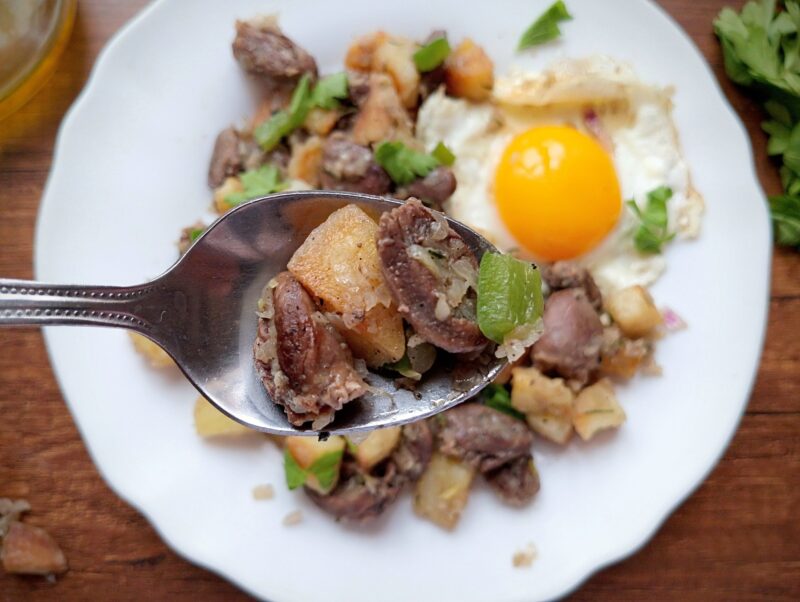
- Chicken heart and potato hash— Pan fry hearts quickly with potatoes, onion, and colorful seasonings until crispy.
Chicken Liver
Chicken liver has a rich, earthy flavor and, when cooked properly (most importantly, not overcooked), a soft, creamy texture. Its taste is definitely more pronounced than tongue or hearts, and unlike some other organ meats, you can’t really disguise it as ground beef! Still, it absolutely deserves a place on this list of the best tasting organ meats for beginners.
Compared to beef or lamb liver, chicken liver is milder in flavor, and generally easier for most families to enjoy. It’s also incredibly versatile and can be blended into many familiar dishes. Most importantly, chicken liver is one of the most nutrient-dense foods you can eat. While all organ meats are rich in nutrients, liver truly stands in a category of its own. It’s especially high in vitamin A, vitamin B12, folate (B9), iron, copper, and selenium, making it act like a powerful food supplement.
Best Ways to Serve Liver
Chicken liver is best cooked quickly in butter over medium-high heat, which helps keep the flavor mild and the texture soft and creamy.
The biggest mistake people make with liver is overcooking it. Even a few extra minutes can make it grainy, dry, and bitter tasting. I like to cook chicken liver for just 2–3 minutes per side, until it’s still slightly pink in the center. In my experience, people who dislike liver usually struggle with either the flavor OR the texture. If you enjoy the flavor but not the texture (like me!), try blending it into a smooth pâté. Served on sourdough toast or alongside veggie sticks, it becomes much more approachable and family-friendly.
If you’re new to cooking liver, you can also check out my quick chicken liver prep tutorial to learn how to prepare it properly before cooking.
Kid-Friendly Tips For Chicken Liver
If you’re introducing liver to kids for the first time, start with pâté. Many children enjoy it because the texture completely changes and the flavor becomes much milder and creamier. Just the other day, I made a batch of pâté for recipe photos and spread some on toast. My toddler kept asking when she could have some, insisting that it was her pâté!
One of the things I love most about liver pâté is how easy it is to customize. You can change the seasonings and mix-ins to suit your family’s tastes. For example, my teen especially loves a spicy Mexican-inspired version.
Another easy way to serve liver is to grind or blend it into ground beef dishes like meatballs, burgers, meatloaf, pasta sauce, or sloppy joes. If your family is new to liver, start with about 10% liver and 90% ground beef. You can then gradually increase the amount over time as everyone gets used to the flavor. This gentle approach makes liver much less intimidating and helps it become a normal part of family meals.
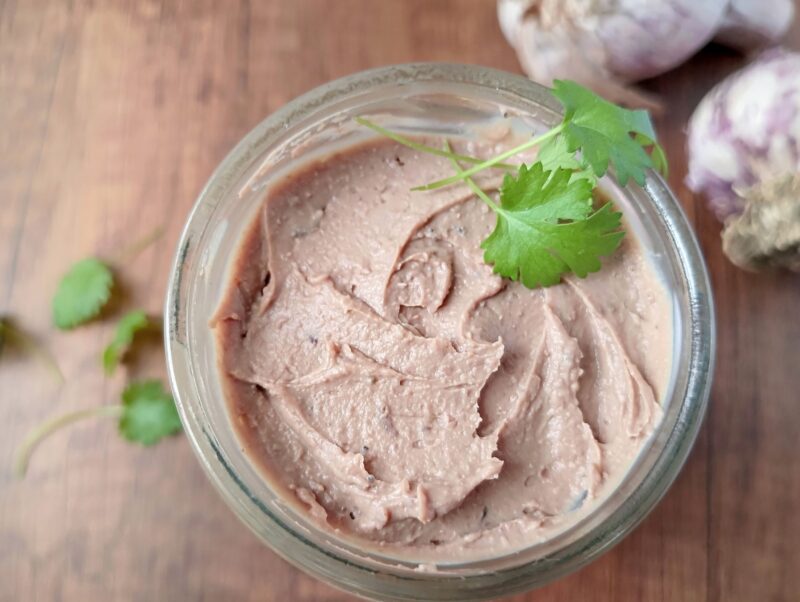
My Favorite Chicken Liver Recipes
If you’re new to eating liver, these mild, family-friendly recipes are a great place to start:
- Creamy chicken liver pâté — Smooth, buttery, and delicious spread on sourdough toast or crackers.
- Chicken liver meatballs — Blend a small amount into ground beef or chicken for tender, nutrient-rich meatballs.
- Fried chicken livers with onions — Lightly breaded and quickly fried until still tender inside. Don’t skip the caramelised onions – they really lift the flavor of liver and make it taste 10X better!
- Chicken liver sloppy joes — A great beginner meal because the sweet-savory sauce balances the flavor. Simply replace 10% ground beef with ground liver in your favorite sloppy joes recipe.
- Hidden liver burgers — Mix finely minced or blended liver into burger patties for an easy nutrient boost that most kids barely notice. If your family is new to liver, start with about 10% liver and 90% ground beef.
Gizzards
Gizzards (or, in plain speech, chicken, duck, or turkey stomachs) have a rich flavor similar to dark chicken meat. When cooked properly—usually low and slow—they become tender with a slightly chewy texture that many people really enjoy.
Gizzards hold a special place in my heart because they were the only organ meat I grew up eating. My grandma cooked them often in a simple, delicious chicken soup (thank you, Grandma!), so they’ve always felt like comfort food to me.
Like all organ meats, gizzards are very affordable and packed with nutrition. They’re an especially good source of protein, zinc, iron, and vitamin B12. They are far more nutrient-dense than standard chicken breast! Because their flavor is so mild, gizzards are one of the best tasting organ meats for beginners. Once cooked until tender, they blend beautifully into soups, stews, and other cozy family meals, making them an easy and approachable way to start cooking with offal.
Best Ways to Serve Gizzards
Chicken gizzards are best served either slow-cooked until tender or fried until crispy. If they’re undercooked, they can be quite tough and chewy. This is why they’re usually not recommended for quick cooking methods like pan frying. (That said, my kids actually love sliced, pan-fried gizzards because they’re chewy. You really never can predict what kids will enjoy!)
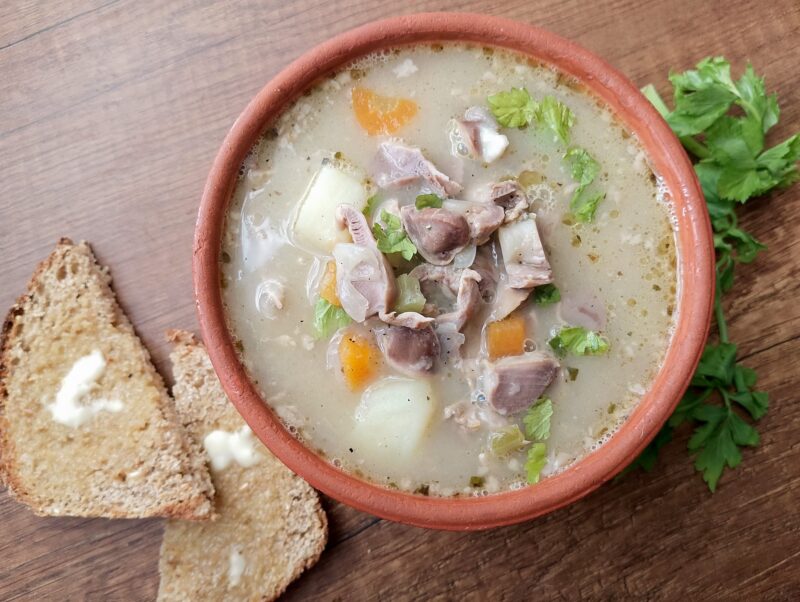
Some of the tastiest ways to serve gizzards are in hearty soups and stews, southern-style fried gizzards, rich gravy served over mashed potatoes, or chopped into fried rice for extra flavor and nutrition. My favorite method is to simmer a large batch in salted water with simple aromatics like onion, carrot, celery, and bay leaf until tender. Then I slice them and keep them ready to add to soups throughout the week.
If you’re new to cooking them, you can also check out my tutorial on how to clean and prepare chicken gizzards.
Kid-Friendly Tips
With gizzards, the main goal is usually to make them very tender and serve them in a way that feels familiar to kids. After all, when served whole, they do look quite a bit like chicken stomachs—which, of course, they are!
For the most family-friendly texture, slow cook or pressure cook them until they’re fork tender. Then slice or chop them into small pieces and add them to soups, fried rice, casseroles, or stir-fries.
Because gizzards have such a mild flavor, texture is usually the biggest factor in whether kids enjoy them. Once prepared properly and cooked until tender, they blend easily into everyday meals.
My Favorite Gizzards Recipes
Here are some of my favorite ways to enjoy gizzards—tender, slow-cooked, and paired with familiar flavors the whole family loves:
- Slow-cooked gizzard stew — Cooked low and slow with carrots, potatoes, and onions until soft and comforting.
- Chicken gizzard fried rice — Finely chopped pre-cooked gizzards blend well with eggs, vegetables, and soy sauce.
- Chicken gizzard soup — Simmered until very soft in a mild broth with noodles or vegetables.
- Gizzard tacos — Pre-cooked until tender and chopped small, then seasoned with taco spices, cheese, and sour cream.
- Crispy fried gizzards (bite-sized) — Tenderized first, then breaded and fried for a crunchy, nugget-like texture kids often enjoy.
Tripe
Each of the organ meats in this post earned its place among the best tasting organ meats for a slightly different reason. Tongue and chicken hearts are here because they taste rich and beefy, almost like familiar comfort foods. Chicken liver makes the list for its creamy, delicate flavor when pan-fried with onions or blended into pâté. Gizzards and tripe, on the other hand, are included because their flavor is very mild. They easily take on the seasonings and spices of whatever dish you’re making.
Tripe can have a strong “barnyard” smell when raw, but once properly cleaned and cooked, that aroma disappears. It becomes very mild—even neutral in flavor—and excellent at absorbing the taste of sauces, broths, and spices.
When cooked correctly, tripe turns tender with a pleasantly chewy texture that makes it unique among organ meats. There are several types of tripe, with honeycomb tripe being the most common and usually the easiest to find. They can all be prepared in the same way. Tripe is also rich in collagen, which is why it requires long, slow cooking to break down and become tender. Nutritionally, it’s a good source of iron, calcium, magnesium, zinc, and B vitamins, making it a traditional, nutrient-dense addition to the diet.
Best Ways to Serve Tripe
Tripe is best served after it has been thoroughly cleaned to remove any strong odors, then slow-cooked until it becomes tender .
It shines in rich, slow-cooked dishes like Mexican menudo or Italian-style tripe stew, as well as braised in tomato sauce with garlic and herbs. It also works beautifully simmered in a creamy broth with potatoes or vegetables.
Once it is fully cooked and fork-tender, tripe can even be grilled or lightly fried for added texture.

Kid-Friendly Tips
For kids, tripe usually works best when it’s cooked until very soft. You can then add it to familiar, flavorful dishes where the texture feels less unusual. I always slice it into thin strips or chop it finely so it blends in like regular pieces of meat.
You can also slow-cook it in soups, stews, or tomato-based sauces for a long time until tender.
My Favorite Tripe Recipes
I almost always pre-cook tripe before adding it to dishes. In my opinion, this is the best way to ensure it’s mild, tender, and easy to work with. Once pre-cooked, tripe becomes much more versatile and blends beautifully into a wide range of recipes. Here are some of my favorite recipes made with pre-cooked tripe:
- Simple tripe soup (light broth style) — Tripe simmered until very soft with carrots, potatoes, and herbs so it feels like a classic homemade soup.
- Hidden tripe fried rice — Finely chopped and well-seasoned so it disappears into rice, eggs, and vegetables.
- Tripe curry (mild version) — Slow-cooked in a gentle, aromatic sauce that softens both flavor and texture.
- Mexican tripe soup (menudo) — If your family likes Mexican cooking, they might like this soup featuring tripe cooked in a rich red chile broth, with hominy, garlic, and oregano.
- Gravy-braised tripe over mashed potatoes — Comfort food style with a rich, mild gravy.
How to Make Organ Meats Taste Good
If you’re new to cooking organ meats, the biggest secret is that flavor and texture depend far more on how you prepare them than the organs themselves. The key is choosing the right organ, using the correct cooking method for its texture, and pairing it with familiar flavors your family already enjoys.
- Start with mild organs such as chicken liver, chicken hearts, or calf liver. Always clean and prep them well—trimming connective tissue where needed. Soaking liver in milk, kefir, or lightly salted water can also help reduce bitterness and improve flavor.
- Cook tender organs (like chicken liver, chicken hearts, or kidneys) quickly over medium-high heat. Overcooking is the fastest way to ruin their texture and make them unpleasant.
- Cook tougher organs like gizzards and tripe low and slow until they are fork-tender. High heat cooking usually makes them tougher unless you’re using a pressure cooker.
- Add plenty of flavor. Cooking organ meats in butter adds richness and helps mellow stronger flavors. Aromatics like onions and garlic work especially well (liver and onions is a classic for a reason), and rich sauces like cream, gravy, or barbecue sauce can make them more approachable.
- Pair organ meats with familiar family foods instead of serving them as something separate. Think tacos, sloppy joes, stews, or alongside mashed potatoes—this makes them much easier for beginners and kids to accept.
FAQ
Final Encouragement
Organ meats don’t have to be intimidating. In fact, they’re no more difficult to cook than many other cuts of meat—and several have a mild flavor and pleasant texture when prepared well. If you’re unsure where to begin, start with tongue or chicken hearts. Once your family starts enjoying those, you can gradually expand into other options like gizzards or liver. The key is to take it one step at a time. Try just one recipe this week—I recommend my easy tongue tacos as a simple, family-friendly starting point.
If you love nutrient-dense, real food recipes and want more support on your journey, subscribe to my weekly newsletter. You’ll get homemaking tips, recipes, and encouragement to help you build confidence in your kitchen and your real food rhythms.