How to Air Dry Flowers for Tea, Herbal Remedies & Skincare
If you want to dry flowers for herbal tea, infusions, or homemade skincare, air drying is one of the simplest and most traditional methods you can use. I used to think that drying flowers without a dehydrator or warm oven would only make them go moldy. Nothing could be further from the truth!
You can successfully air dry flowers naturally, even in a cool climate, and this gentle method helps preserve their color, aroma, and beneficial plant properties without any special equipment. In this guide, you’ll learn exactly how to dry flowers at home using the air drying method, specifically for herbal and cosmetic use rather than bouquet preservation.
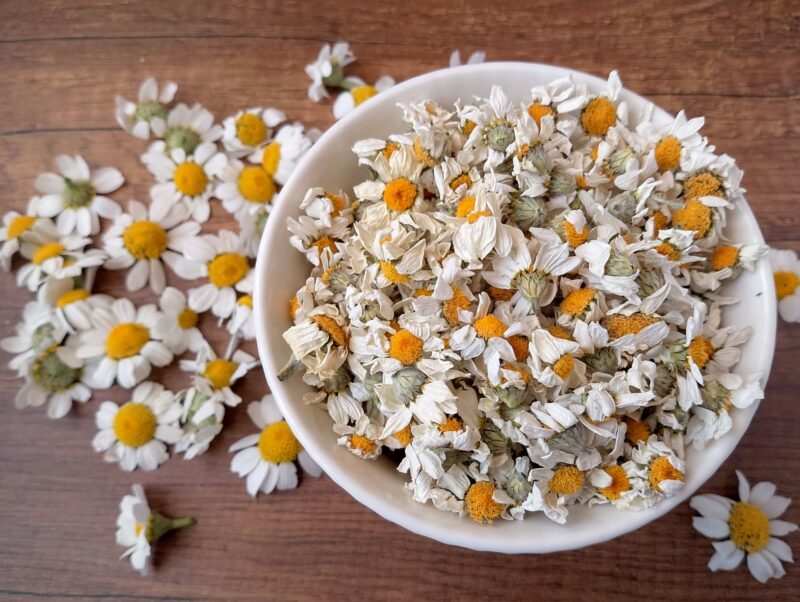
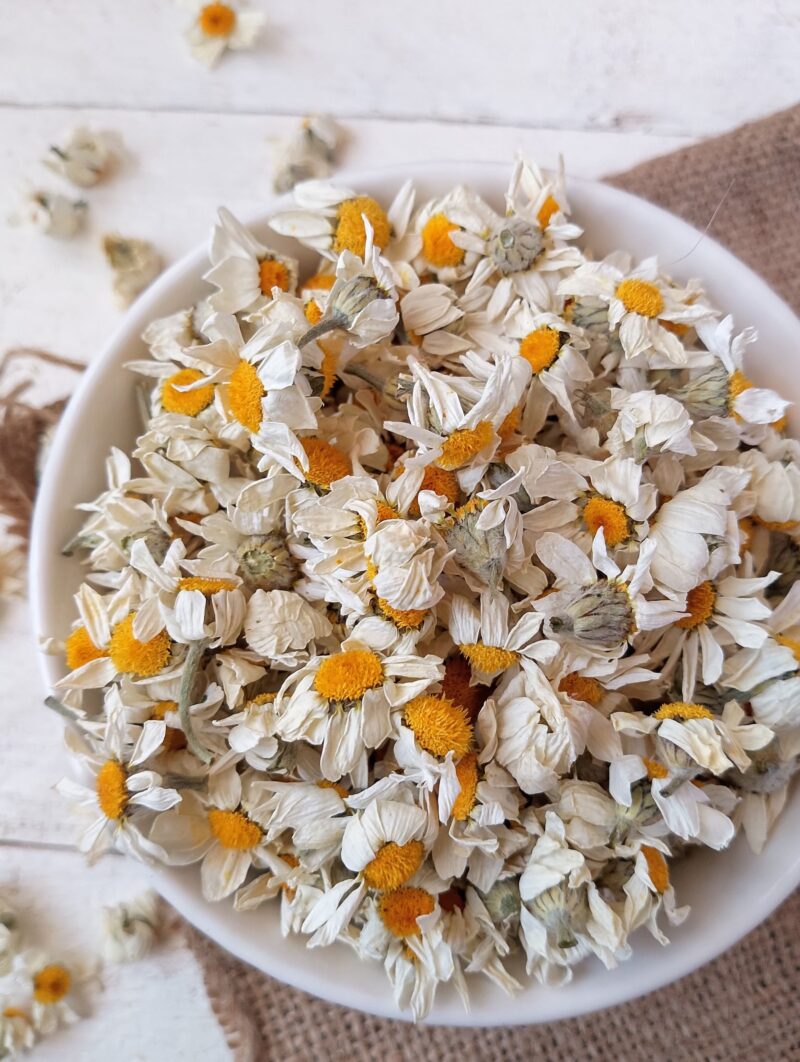
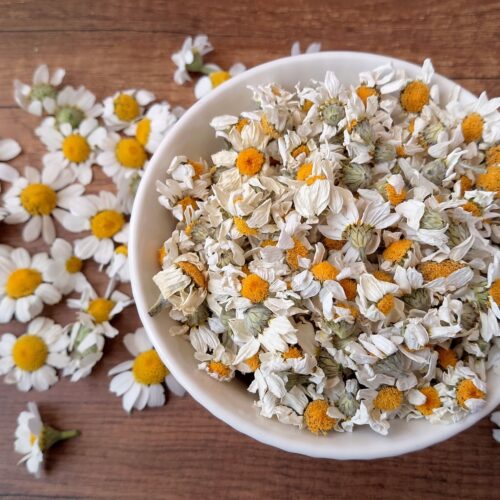
This method works well for chamomile (which I’m showing here), calendula, dandelion, and many other flowers you may want to dry for tea, salves, balms, or soap making.
Why Air Drying Flowers Is THE Best Method
I once considered getting a dehydrator for drying flowers, but after successfully air drying many different types, I no longer feel like I need one. Air drying allows me to preserve large quantities of flowers at once with no special setup or equipment. It’s simple, reliable, and one of the easiest ways to dry flowers naturally at home.
What I love about it is:
- It requires no special equipment.
- It helps preserve the flowers’ natural color and fragrance.
- It also helps retain the delicate oils and plant compounds in the flowers. This is especially important if you’re using them for healing balms, salves, or other herbal preparations.
- It works even in a cool home—you just need to find the driest and warmest spot available for air drying flowers successfully.
Best Flowers to Air Dry
Most flowers can be successfully air dried, but the best results come from varieties that naturally have lower moisture content and sturdier petals. These include flowers like lavender, roses, chamomile, yarrow, calendula, and hydrangea.
Many flowering herbs also dry beautifully using this method. Think lemon balm, oregano, mint, and thyme. I especially love harvesting thyme when it’s in bloom—pulling off the flowering tops and air drying them for tea and cooking.
However, not all flowers are suitable for air drying. Those with high moisture content or very delicate petals don’t hold up well. Tulips, lilies, daffodils, and large peonies are common examples. They tend to mold, brown, or lose their shape during the drying process. These are better preserved by pressing instead.
Finally, always choose flowers from clean, unpolluted areas and avoid anything that may have been treated with pesticides.
When to Harvest Flowers
The best time to harvest flowers for drying is mid-morning, after the dew has dried but before the day becomes hot. At this point, the essential oils and natural fragrance of the flowers are at their peak.
Always choose freshly opened, healthy blooms for air drying. Flowers that are overripe or starting to fade tend to have less fragrance and lower overall quality once dried.
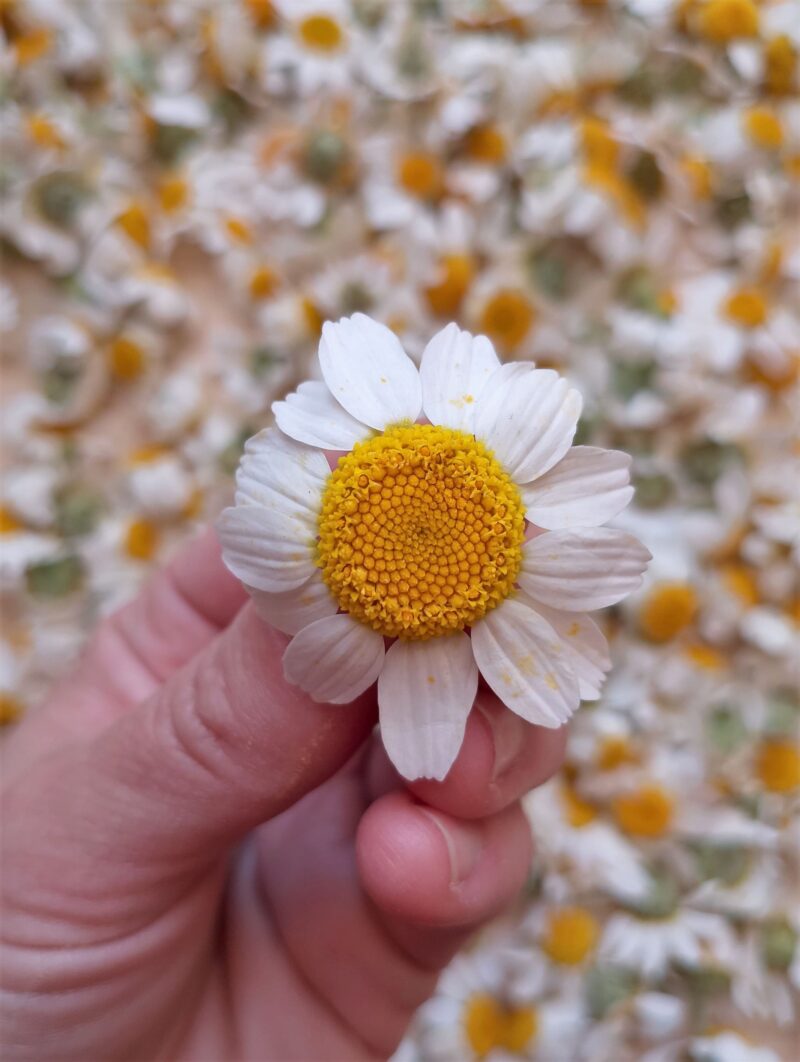
How to Prepare Flowers for Air Drying
I strongly recommend not washing your flowers before drying them. Extra moisture increases the risk of mold, especially if your home is cool or humid.
Instead, simply shake off any insects or loose dirt. Then remove any damaged petals or unwanted stems before you begin the air drying process.
Some people prefer to gather flowers into bundles and hang them to dry. I personally prefer spreading them out on wooden trays or newspapers. This method allows better airflow, helps them dry faster, and reduces the risk of mold forming.
If you’re drying flowers for tea or skincare, you usually won’t need the stems anyway. It makes sense to remove them right from the start.
How to Air Dry Flowers at Home (Step By Step)
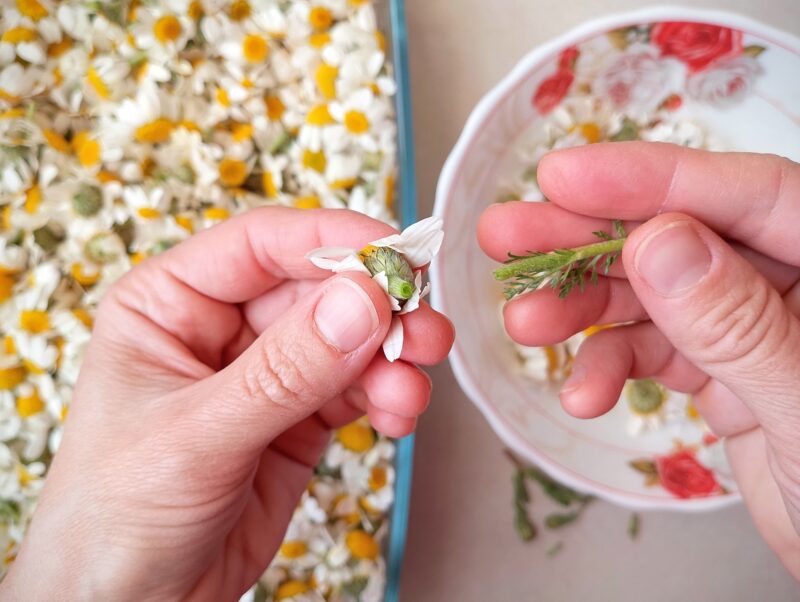
Step 1: Remove any insects, wilted petals, damaged leaves, or thick stems from your flowers. Avoid washing them unless it’s absolutely necessary. If you do need to rinse them, make sure to dry them very thoroughly before beginning the air drying process.
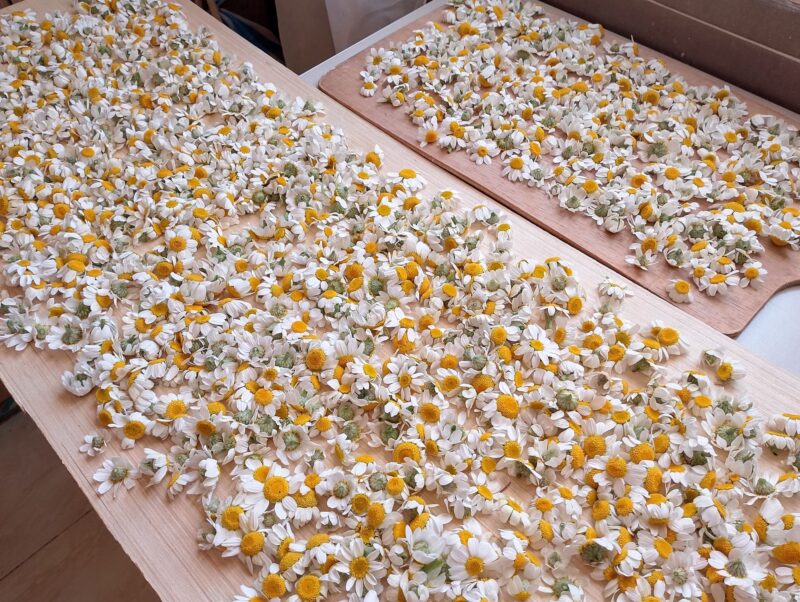
Step 2: Spread your flowers in a single layer on trays. Avoid piling or overlapping them, as this can trap moisture and lead to mold. I prefer using wooden trays, but mesh drying screens or baking sheets lined with cloth or newspaper also work well. Try to avoid solid plastic trays, as they can trap moisture which leads to mold.
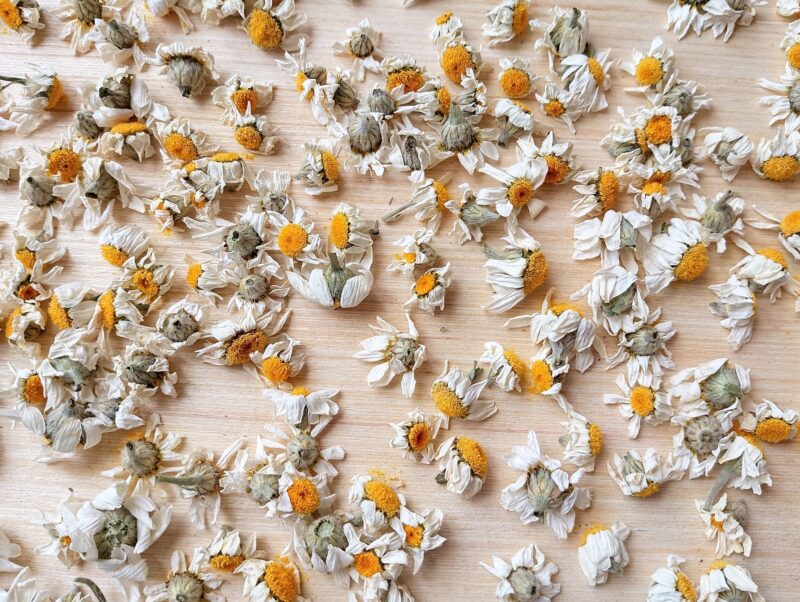
Step 3: Place your trays in a warm, dry location with good ventilation and away from direct sunlight. I usually place mine on high shelves in the living room, but a spare room or dry attic also works well. Check your flowers daily and gently move them around to ensure they dry evenly and don’t stick together. Depending on the type and size of the flowers, drying can take anywhere from 7–14 days.
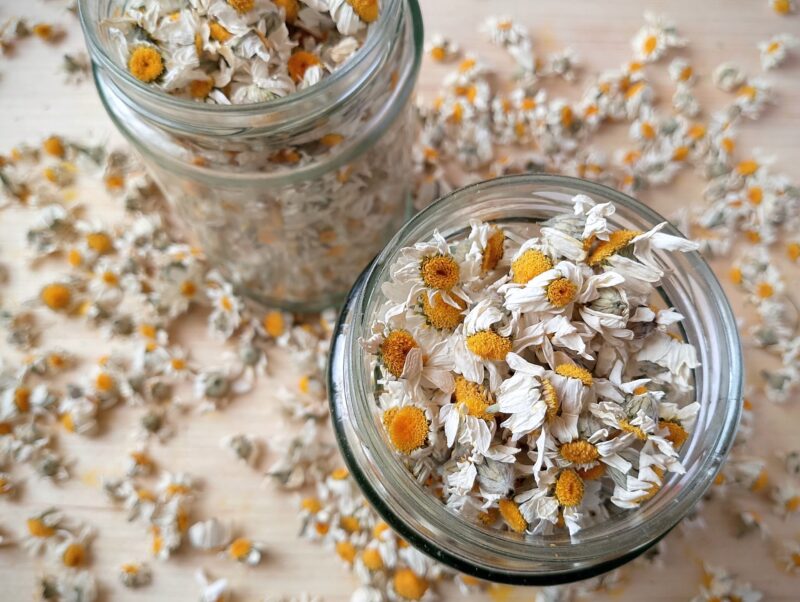
Step 4: You’ll know your flowers are fully dry when they feel papery and crisp (not just slightly soft), the stems snap instead of bending, and there are no damp or cool spots anywhere. Once fully dried, transfer your flowers to clean storage jars, seal them tightly, and store in a cool, dry place away from direct sunlight. (I always keep mine in the pantry.)
For the best quality, use dried flowers within about one year.
Best Conditions for Air Drying Flowers
The best place in your home for air drying flowers is a warm, dark room with good airflow. Some good places are a pantry, spare room, or attic.
In my own home, I often dry flowers on top of bookshelves in the living room because the air up there is warm, dry, and the flowers always dry beautifully. Since warm air rises, high shelves or the top of a wardrobe can also work very well for drying flowers.
Avoid drying flowers in the kitchen or bathroom. These areas tend to have higher humidity, which increases the risk of mold. It’s also best to avoid sunny rooms or direct sunlight, since UV light can fade the colors and reduce the fragrance of your dried flowers.
How to Know When Your Flowers Are Ready
You’ll know your flowers are ready when they feel completely dry, crisp, and papery—not soft or slightly pliable. There should be no cool or damp spots anywhere on the petals or in the center.
Fully dried flowers should also hold their shape well without bending or feeling flexible. Another helpful clue is size—once fully dried, flowers shrink noticeably. A tray that looked full of fresh flowers will often look about half empty once the drying process is complete.
Common Mistakes to Avoid
Drying flowers in direct sunlight: UV light can damage your flowers, causing them to lose color, fragrance, and some of their beneficial herbal properties.
Crowding flowers on trays: Always spread your flowers in a single layer on wooden trays or newspapers. If they are piled or crowded, airflow is reduced and mold is much more likely to develop.
Harvesting flowers when damp: Only collect flowers on a dry morning. If it has rained the day before, it’s best to wait a couple of days before harvesting. Damp flowers are far more likely to mold during the drying process.
Drying in cool, poorly ventilated rooms: Mold is the biggest enemy when air drying flowers. Choose a warm, dry space with good airflow, ideally higher up in the room. I often notice that the air above head height—like on top of a bookshelf—feels noticeably warmer and drier, which makes it perfect for drying flowers naturally.
Storage Tips
I always store my air-dried flowers in tightly sealed canning jars—which is another reason I love them and have so many on hand. They’re incredibly useful.
You can also store dried flowers in metal tins or paper-lined cardboard boxes.
Keep your containers in a dark, cool, and dry place, away from heat, moisture, and direct sunlight. Proper storage helps preserve the color, aroma, and quality of your dried flowers for the longest possible shelf life—usually around 6–12 months.
How to Use Your Dried Flowers
There are so many ways to use your dried flowers, both in the kitchen and in DIY skincare projects. Here are some of my favorites:
- Herbal teas and tea blends: Steep dried flowers like chamomile, hibiscus, or elderflower in hot water to make soothing herbal teas. You can also combine several flowers with other herbs like lemon balm or mint to create your own tea blends. I dry a lot of chamomile and thyme flowers every year because my family loves drinking tea made with them.
- Facial steams: Add a handful of dried flowers to a bowl of hot water and let the steam gently open pores and refresh the skin. Try my facial steam recipe here.
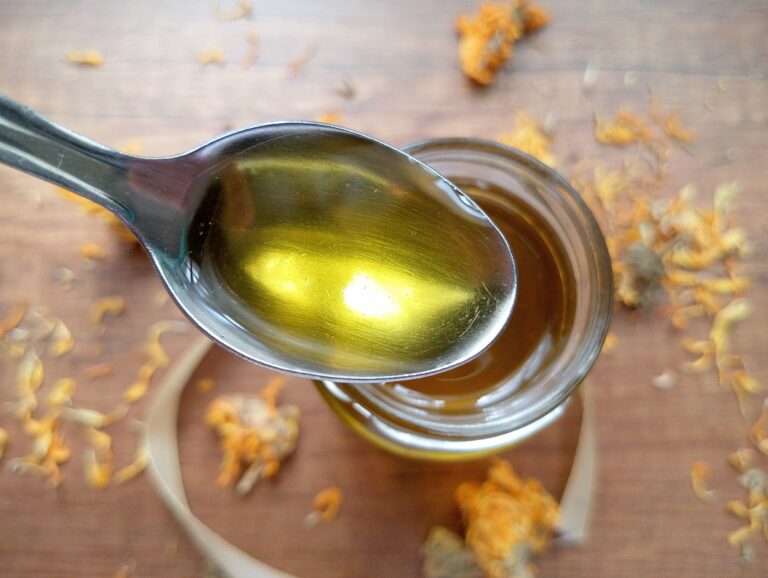
- Infused oils: Soak dried flowers in a carrier oil (such as olive, almond, or jojoba oil) for several weeks to create herbal-infused oils. These can be used in salves, balms, lotions, and massage oils. To learn how to make a simple infused oil, check my beginners’ guide to infused oils, or try calendula-infused oil, which is especially soothing for skin—perfect for recipes like this hand balm or hair and scalp oil.
- Bath soaks and bath teas: Mix dried flowers with salts, oats, or other herbs and add them to a warm bath for a relaxing, spa-like treatment. Rose petals, lavender, calendula, and chamomile work especially well in bath blends. Try my recipe for herbal bath salts.
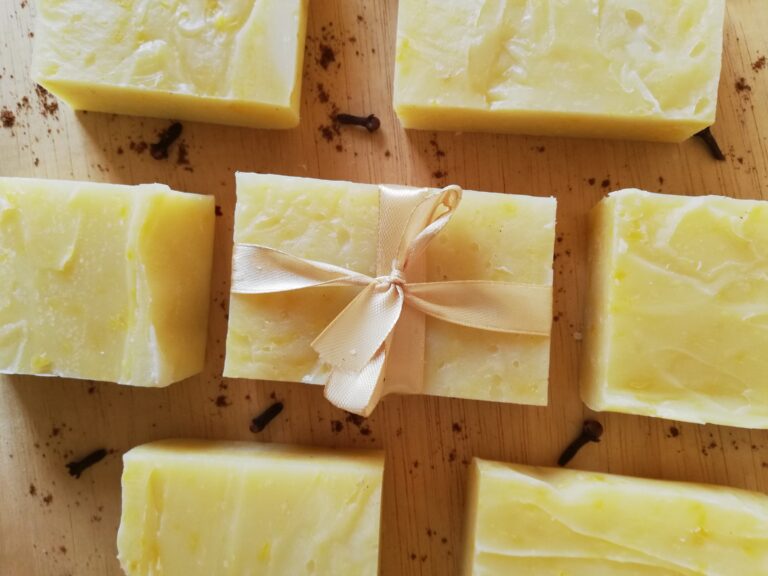
- Homemade soaps: Add crushed or whole dried flowers to melt-and-pour or cold-process soaps. Calendula and lavender hold up particularly well. Try my soothing cold-process chamomile soap.
- Herbal sachets and drawer fresheners: Fill small cloth bags with dried flowers to naturally scent drawers, closets, linens, or pillows. Lavender and rose petals are my personal favorites for this use.
Common Questions About Air Drying Flowers
Your Next Step: Make Herbal Tea or Balm
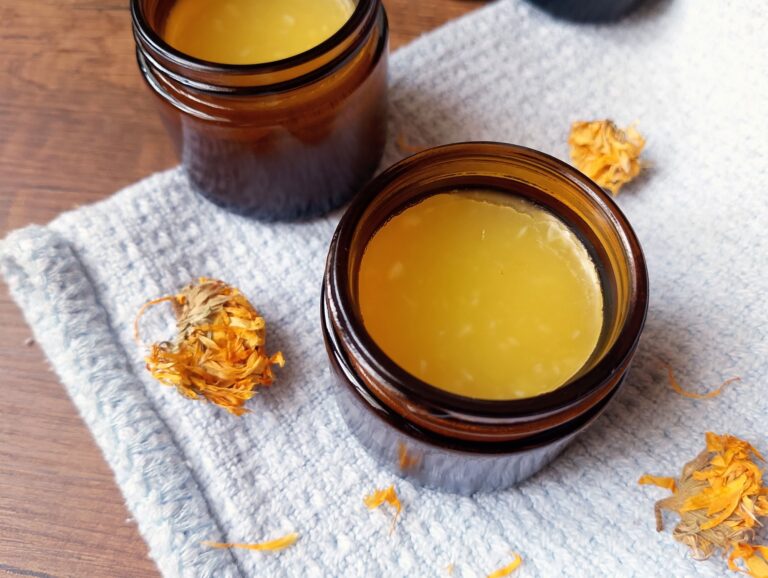
Now that you’ve learned how to dry flowers, you can turn them into balms, salves, and soaps. These air-dried flowers are perfect for herbal skincare and home apothecary projects. You can infuse your dried flowers into oil, then use that infusion in recipes like this calendula balm for overnight hand healing or this chamomile soap.
Loved this tutorial? For more real food recipes, tutorials, and old-fashioned homemaking inspiration, join my weekly newsletter.
Once Your Dried Flowers Are Ready, Try These Recipes
How to Dry Flowers
Equipment
- Wooden trays OR plastic trays lined with newspapers
Ingredients
- Fresh flowers
Instructions
- Remove insects, wilted petals, damaged leaves, and thick stems from your flowers. Avoid washing if possible. If you do rinse them, dry thoroughly.
- Spread flowers in a single layer on trays without overlapping. Use wooden trays, mesh screens, or baking sheets lined with cloth or paper. Avoid plastic trays.
- Place trays in a warm, dry, well-ventilated space out of direct sunlight. Check daily and gently move flowers for even drying. Drying usually takes 7–14 days.
- Flowers are ready when they feel crisp and papery and stems snap easily. Store in airtight jars in a cool, dry, dark place. Use within 1 year for best quality.
Notes
Use dried flowers to make herbal teas and tea blends, facial steams, infused oils for balms and salves, bath soaks, homemade soaps, and herbal sachets for drawers and linens. Always strain well if using for skincare or bathing, and store finished products in a cool, dry place.