How to Meal Plan for the Week: My Easy (Lazy) Method
I have tried many different ways to meal plan during my years as a homemaker. Some worked for me, some didn’t, and others I have tweaked and adapted to suit my family.
In this post, I’ll show you how I meal plan for the week for my family. I call it my ‘lazy’ method because, once I have my basic ingredients on hand, it takes very little time or mental energy. But of course, it is not lazy at all – it’s all about working smarter, not harder.
The most important part of my system is that I don’t choose seven different recipes for the week and then make a shopping list. Instead, I keep my kitchen well stocked and build my meal plan around what I already have on hand, only replenishing my pantry, fridge, and freezer when necessary.
Would you like to see my simple process for how to meal plan for the week? Let’s go!
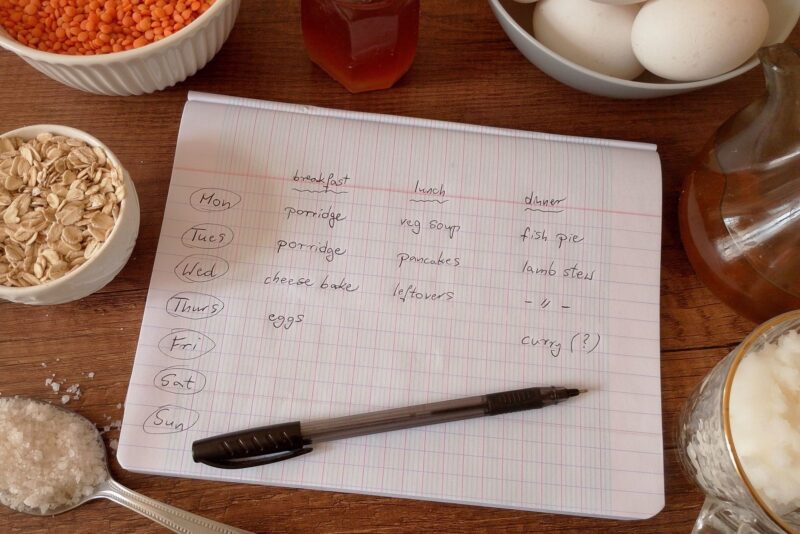
I Keep My Pantry and Freezer Stocked
My meal planning starts before I ever sit down with a piece of paper to plan our meals. I do my best to keep my pantry, fridge, and freezer stocked with the ingredients I use regularly.
Whenever I use something from the pantry or freezer, I add it to my shopping list. This way, when grocery shopping day comes around, my list is already mostly done. I only need to take a quick look in the refrigerator to see which fresh foods need to be replenished.
Some of my favorite pantry staples to always have on hand are wheat berries, all-purpose flour, rice, pasta, oatmeal, beans and other legumes, tomato sauce, spices, and salt.
My most-used freezer staples are chicken breasts, chicken thighs, ground beef, boneless lamb, bread, buns, milk, butter, and cheese.
I don’t need to have every possible ingredient in my kitchen. Just a few basic real food ingredients is all I need to make the meals my family actually eats.
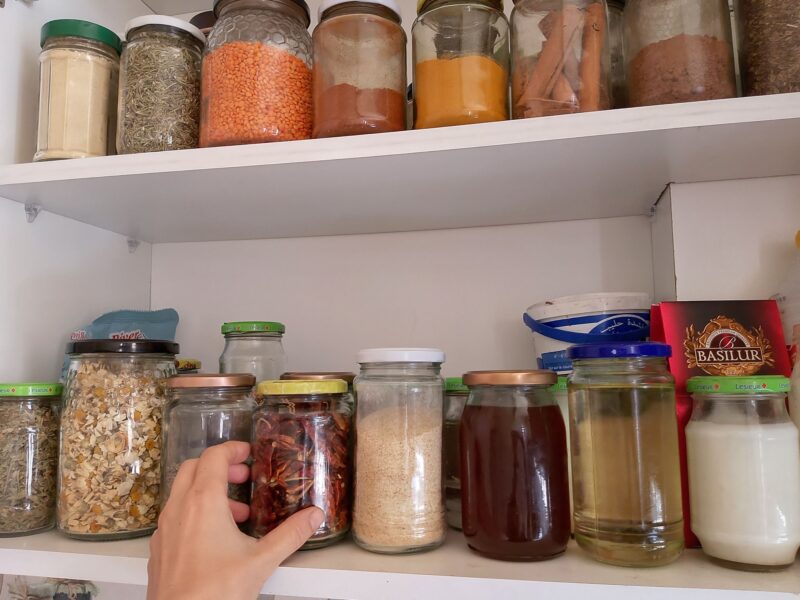
I Plan Meals Around What I Already Have
When I sit down to meal plan, I don’t try to come up with a list of recipe ideas. Instead, I ask myself: What do we have? What needs to be used up? And what can I make from it?
Sometimes I have a lot of frozen chicken because it was on sale and we bought quite a bit. I can turn it into slow-roasted chicken, shawarma, pasta bake, or pot pie. If I have some boneless lamb, I can make a curry or stew in my Instant Pot.
To keep things interesting, I try to alternate between poultry and red meat, with the occasional fish or egg dinner thrown in. So if I have beef, chicken, canned tuna, and eggs on hand, I can make pretty much any of our favorite dinners.
I also pay attention to anything that needs to be used up. Sometimes I have leftovers in the refrigerator, so I plan meals that will use them. If I have a lot of stale bread in the freezer, I might make a savory bread pudding. If there is leftover rice in the refrigerator, I can plan fried rice, a curry dinner, or even rice pudding for dessert.
One ingredient can become many different meals. This way I don’t have to buy a completely different set of ingredients for every recipe. Instead, I buy a few basic ingredients and turn them into a variety of meals throughout the week.
I Keep a List of Family Favorite Meals
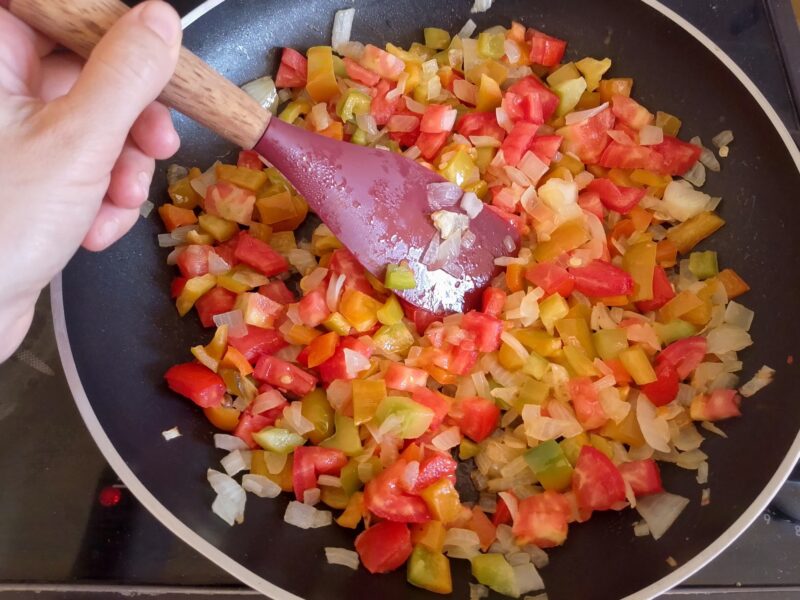
There are about 10 breakfast and lunch dishes and maybe 20 dinner dishes that my family likes to eat regularly. These are my default meals. I rotate them, change them slightly depending on what I have on hand, what we feel like eating, or what is available seasonally. But we basically eat these meals all year long.
I do try new recipes from time to time, but for the most part, I cook familiar foods. This saves me from decision fatigue and makes meal planning much easier.
When I sit down to plan the week, I can simply look at our list of favorite meals and think, OK, we have some boneless chicken. We haven’t made chicken curry for a while, so I can make that for dinner on Tuesday.
Breakfast is especially easy because we tend to eat the same few things. We usually have eggs—scrambled, fried, or boiled—or oatmeal, which I make on the stovetop, baked, or in the Instant Pot.
And because we homeschool, I try to keep lunches simple, too. We usually have sandwiches with various toppings, soup, pancakes, or leftovers from dinner.
Having a list of meals my family already loves means I don’t have to constantly search for new recipes or come up with new ideas. I can simply combine the ingredients I have on hand with the meals I know my family will happily eat.
I Cook Extra and Use Leftovers
One thing I do to lessen my workload when it comes to meal planning is to almost always cook larger batches and make enough for the next day. So my meal plan is really 3–4 dinners for the week, not seven. I do the same with breakfast and lunch.
For example, on Monday and Tuesday we might have fish pie, Wednesday and Thursday we might have pasta with ground beef sauce. Then on Friday I could turn the leftovers into a pasta bake or pizza. On Saturday and Sunday, we might have roast chicken.
As you can see, that’s a whole week of dinners, but I only cooked dinner three times that week!
If you can’t bring yourself to eat the same dinner two days in a row, you can simply alternate the leftovers with another meal. For example, you could have fish pie on Monday, pasta on Tuesday, the rest of the fish pie on Wednesday, and the rest of the pasta on Thursday.
Another option is to cook a larger batch of one ingredient and turn it into different meals. You could cook two large chickens at once. Then you can have roast chicken on day one, chicken wraps on day two, and chicken pot pie on day three.
I rarely make dinner for just one day, and it saves my sanity. The same principle works for breakfast and lunch. It doesn’t take that much more time to make a double batch of baked oatmeal. It does however save me from having to prepare breakfast from scratch again the next morning.
Cooking extra is one of the simplest ways I know to make meal planning for the week easier. Instead of thinking about seven separate dinners, I’m really planning a few meals that can stretch into several days.
I Keep My Side Dishes Simple
I usually don’t decide in advance which vegetable we’ll have with every meal. Instead, I buy whatever is available at the market and let the vegetables we have on hand fit naturally into our meals.
My basic formula for dinner is main meal + seasonal vegetable + ferment.
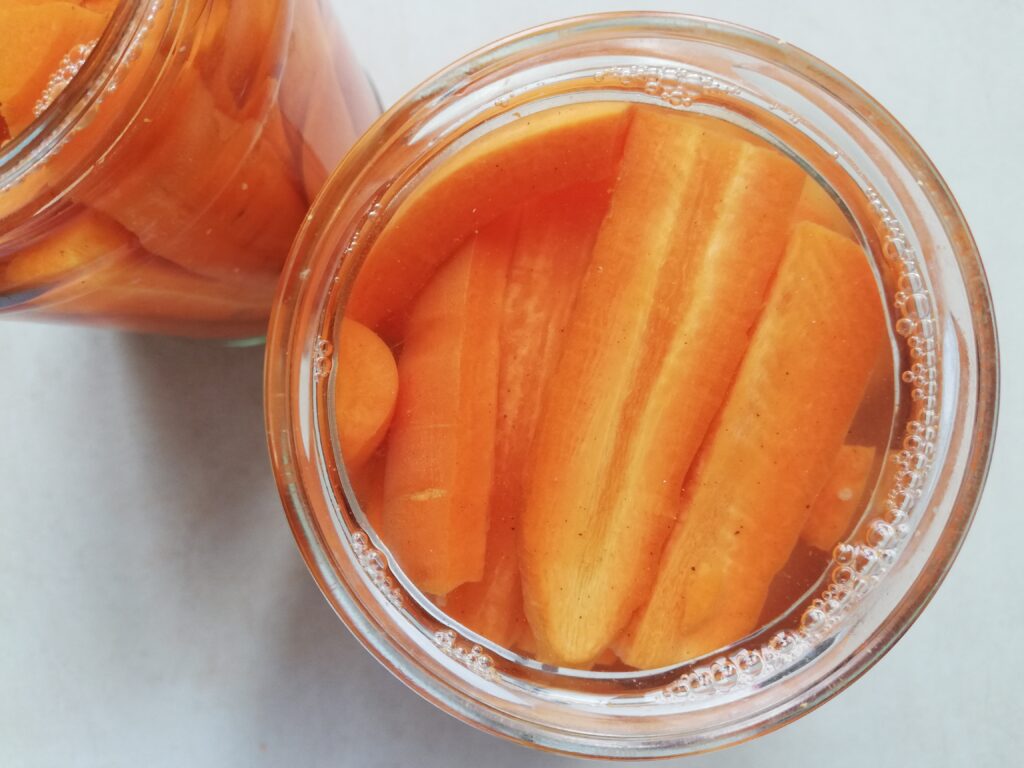
I usually steam vegetables, sauté them in butter, or roast them. If carrots are in season, for example, I might make sautéed carrots on Monday, roast carrots alongside chicken on Tuesday, and serve fermented dill carrots another day.
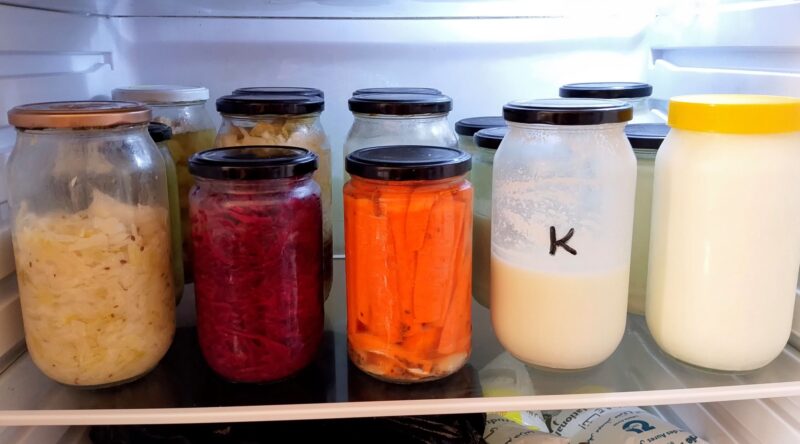
We eat sauerkraut almost daily, too. To keep it from getting boring, I rotate between plain kraut, curtido, and dill and garlic kraut. One cabbage, many flavors!
Ferments are also my backup plan for those days when I run out of fresh vegetables in the middle of the week. I also rely on them during the winter when there isn’t much fresh produce available here.
I’m flexible with vegetables and fruit and usually incorporate whatever is in season into our meals. In summer, I might make chicken pot pie soup with green beans and broccoli; in autumn, roast chicken with pumpkin; and in winter, chicken lentil curry.
Planning a specific vegetable for every dinner when I sit down to meal plan is not necessary for me. If I have some seasonal produce and a few ferments on hand, then that’s all I need.
I Bake And Prep Ingredients Ahead for the Week
I bake all the bread we eat and make many of our staples from scratch, such as yogurt, kefir, and bone broth. These are things I need to have ready for the week so I can use them in the meals I’ve planned.
You can prep your staples on the weekend or choose a set day when you have enough extra time to get them done. I really like having specific days for ingredient prep. It gives me peace of mind knowing that my staples are ready. This way, I won’t find myself scrambling because we’ve run out of bread in the middle of the week.
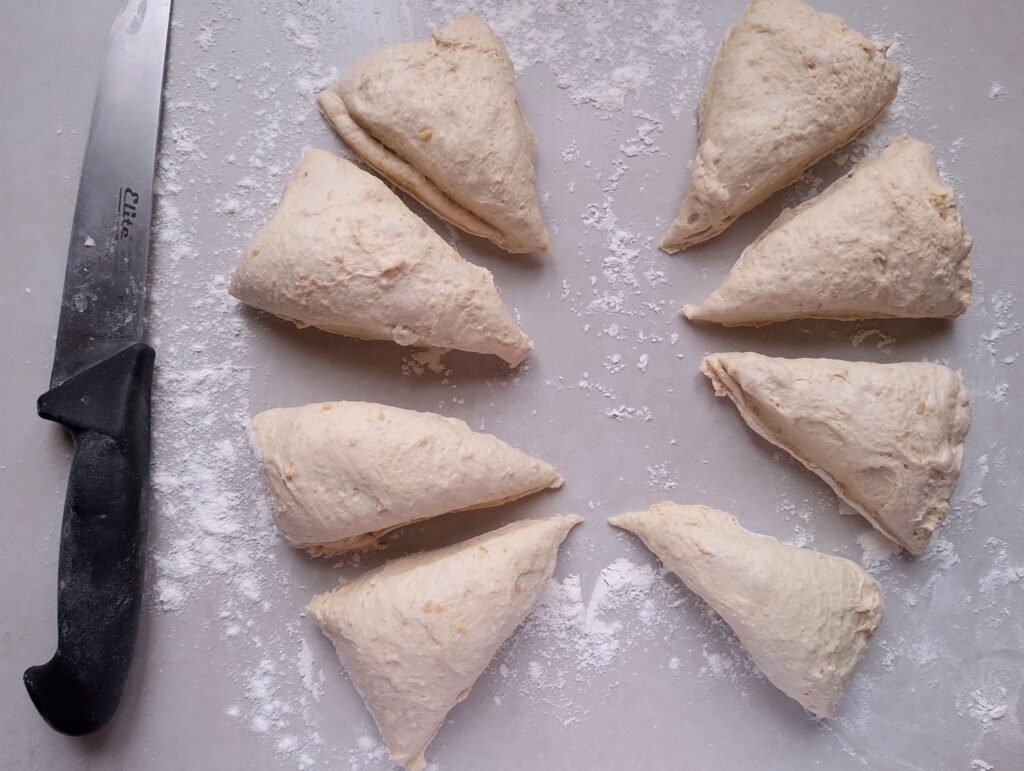
I try to do most of my baking on the weekend, when I don’t homeschool and my mornings are more free. I usually bake six loaves of sandwich bread for the week, as well as pita bread, burger buns, naan, or whatever else I’ll need based on the meals I’m planning. For example, if we’re having burgers and chicken curry that week, I’ll bake burger buns and naan.
The great thing about bread and buns is that they freeze really well, so I can make enough for the week—or even a little extra—and freeze them instead of having to bake as needed.
I also make kefir and yogurt, as well as bone broth, usually in the Instant Pot because it’s faster. Sometimes I’ll make things like granola and muffins, depending on what I have planned for breakfasts and snacks that week.
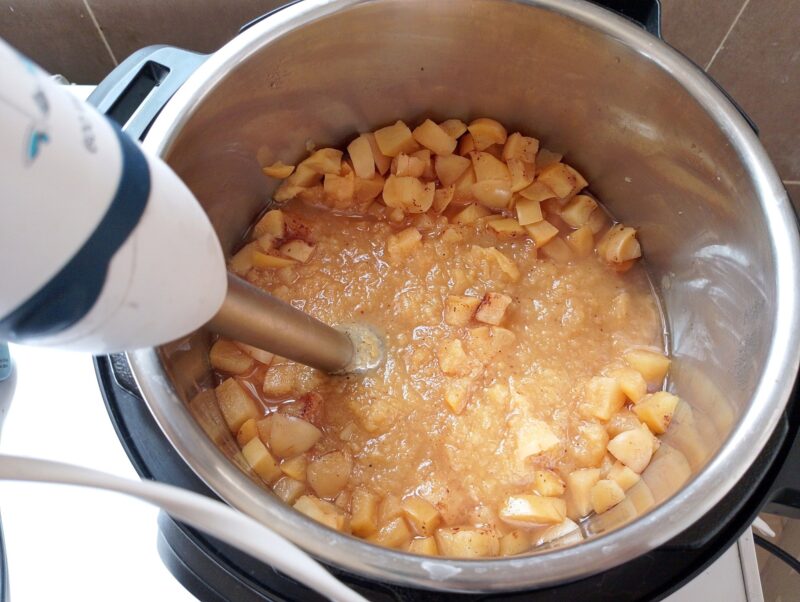
Seasonally, I also make some ingredients in bulk, such as sauerkraut, applesauce, tomato sauce, and pumpkin purée. These are usually made on my days off from homeschooling, too.
This might sound like a lot, but many of these staples are very hands-off and require little active work. And I’ve made bread and buns so many times that the process is pretty straightforward. The main thing is remembering to feed my starter on time and making sure I have enough starter ready for all the baking I want to do that day.
The key is that I’m not making everything from scratch every single day. I make many of my staples ahead of time. This way they’re ready to become part of the meals I plan throughout the week.
I Leave Room for Flexibility
My meal plan is not a rigid schedule. It’s simply a flexible list of meal ideas to choose from throughout the week. I do often switch things around as necessary.
If I’m tired, I might make something really easy instead. If we have lots of leftovers to use up, we’ll eat those rather than making a new meal. Sometimes I might simply feel like making something different from what I had originally planned.
As long as my fridge, freezer, and pantry are well stocked and my staples like bread and yogurt are ready, I don’t have to worry about cooking a particular meal on a particular day. I can adjust my plan according to what we need that day.
For me, a meal plan is there to make life easier, not to dictate what I have to cook.
My Simple Weekly Meal Planning Routine
I follow the same steps every week, so I always know exactly what to do. Once you get into the habit, meal planning for the week can be very quick and simple.
Before I show you the steps, there is one important habit behind my whole system that I mentioned earlier: whenever I take something out of my pantry or freezer, I add it to my running shopping list so I can replenish it the next time we go grocery shopping.
If I notice we’re getting low on butter, I write it down. If I see there are only a few potatoes left in the pantry, I write them down. Once I use the last bag of rice, it goes on the list.
This means I don’t have to check my pantry and freezer every week to see what’s running low. If I did, meal planning would become a much bigger undertaking and a real headache. So no, thank you.
Instead, I check my pantry and freezer when I’m planning our meals to see what needs to be used up, not what’s running low. The running shopping list takes care of the latter.
Once that’s clear, here’s my weekly meal-planning routine:
Step 1: Check the Pantry
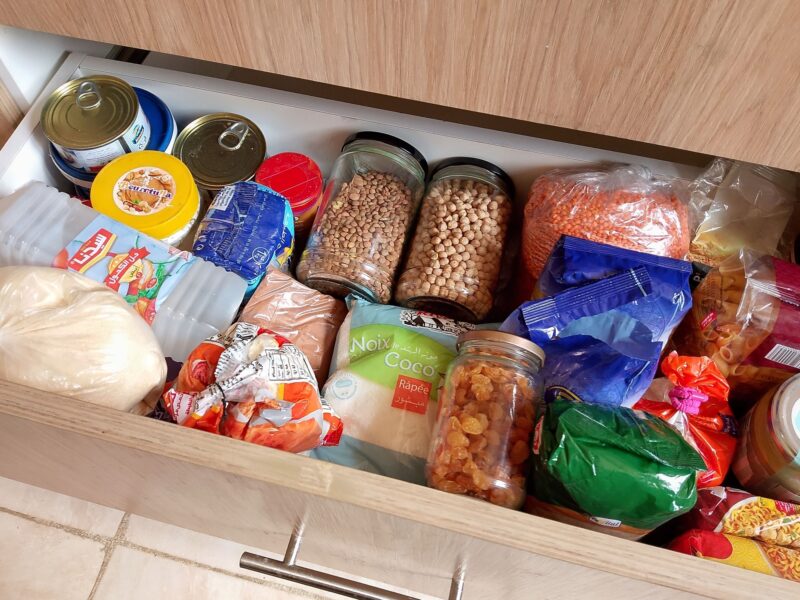
First, I check my pantry and ask: What needs to be used up?
If I have a lot of potatoes that are getting past their best, I make a note so I can perhaps plan baked potatoes for lunch. If I notice we’re running low on tomato sauce and it isn’t already on the shopping list, I’ll add it.
I’m not doing a full inventory. I’m simply looking for things that need to be used soon and anything I may have forgotten to put on my shopping list.
Step 2: Check the Freezer
Next, I check the freezer. What meat and other ingredients do I have that I could build meals around?
Maybe I have lots of chicken breasts because they were on sale and we stocked up. I’ll make a note so I can plan a few meals using them.
At the same time, if I notice we’re getting low on butter and it isn’t already on my shopping list, I’ll add it.
Step 3: Check the Refrigerator
Then I check the refrigerator. What needs to be used up?
Maybe there’s a head of lettuce that needs using, along with some carrots and pumpkin. I’ll make a note of those so I can plan meals around them.
If I notice we still have plenty of yogurt, I’ll remember not to make another batch that week so we can use up what we already have.
Step 4: Think About Our Favorite Meals
Now I look at our list of family favorite meals for inspiration and ask: What can I make from what I already have?
I might turn the chicken and lettuce into chicken salad in pita bread for lunch. I can use the pumpkin for roast chicken and pumpkin later in the week, and make dill carrots to use up the carrots in the refrigerator.
I’m not starting with a recipe and figuring out what ingredients I need to buy. I’m starting with the ingredients I already have and deciding what meals I can make from them.
Step 5: Make a Simple Meal Plan
Now I jot down a list of four dinners for the week, plus perhaps three breakfast ideas and three lunch ideas.
As I explained earlier, I usually cook double batches, so I don’t need seven completely different dinners. One dinner can easily cover two days, and leftovers can become another meal.
For side dishes, I don’t plan a specific vegetable for every dinner. I’ll use whatever ferments we have on hand and buy some seasonal vegetables at the market.
Step 6: Finish the Shopping List and Prep List
Finally, I go over my running shopping list and add any fresh produce we’ll need for the meals I’ve planned. I also add anything we’ve run out of that isn’t already on the list.
Then I make a note of what I need to prep over the weekend for the week ahead—bread, pita bread, yogurt, broth, ferments, or anything else I’ll need for the meals I’ve planned.
For example, if I have carrots that need to be used up, I might plan to make a batch of dill carrots that weekend.
Step 7: Shop and Prep
I give the shopping list to my husband, who does the grocery shopping in our house. I usually do my baking and ingredient prep on Friday or Saturday, which is our weekend (yep, in North Africa Sunday is a working day!).
By the time the new week starts, my pantry and freezer are replenished, my staples are ready, and I have a simple list of meals to choose from.
And that’s it. I don’t spend hours searching for recipes, planning seven different dinners, and writing an enormous shopping list. My weekly meal planning routine is to look at what we have, decide what needs to be used, choose a few meals from our family favorites, and make sure I have the staples and fresh ingredients I need.
Final Thoughts
My meal planning routine works for me because it’s SIMPLE. It’s not some giant project I need to undertake every weekend. It’s been honed through years of trying different things, so it fits naturally into our lifestyle.
And because I follow the same steps every week, it has become almost automatic. I can do it without giving it much thought. Of course, sometimes I forget or slip up. But for the most part, it’s become a routine, so there is very little friction.
Trying to feed my family real food takes real work and effort. You can’t really make it effortless. What I’m trying to do is make it less mentally exhausting and more sustainable. This way I can keep doing it week after week without feeling overwhelmed.
I call it my lazy meal planning system, but it’s not really lazy at all. It’s about working smarter, not harder, so I can have some time and energy left over for everything else that needs my attention.
Would you like to try this approach? Start by making a short list of what your family loves to eat for breakfast, lunch, and dinner. Then write down the basic ingredients you need to make those meals.
Which of those ingredients could you stock up on so you always have them in your pantry or freezer? Which ones could you batch prep so they’re ready to use during the week?
For me, most of the work of meal planning is really in keeping my pantry and freezer well stocked and prepping staples like bread, broth, and yogurt ahead of time. Once those things are ready, I can turn simple real food ingredients into meals my family loves without having to reinvent the wheel every day.
And that’s what makes meal planning for the week so much simpler for me: I don’t plan seven completely different meals. I keep my kitchen stocked, cook from what I have, make enough for leftovers, and leave myself plenty of room to be flexible.
If you love real food and traditional homemaking, join my weekly newsletter! I write it every Sunday and fill it with recipes, tips, and inspiration for real food moms like you.