Can You Make Cheese Without Rennet? 6 Easy Cheeses to Try at Home
Yes—you can make cheese without rennet, and some of the easiest, most traditional cheeses don’t use it at all. Instead of rennet, these cheeses rely on simple methods: adding an acid (like vinegar or lemon juice) or allowing milk to naturally sour and culture over time.
The best part? You don’t need any special equipment to get started. If you’ve been wondering if you can make cheese without rennet using what you already have, the answer is yes. A few basic kitchen tools—a piece of cheesecloth (or a clean cotton tea towel), a colander, and a bowl to catch the whey—are all you need.
In this post, you’ll find a mix of quick, acid-set cheeses like paneer and queso fresco, along with traditional cultured cheeses such as raw milk cottage cheese and fromage blanc. These are simple, approachable recipes that fit beautifully into a real-food kitchen.
Here are 6 easy cheeses you can make at home without rennet.
The Easiest No-Rennet Cheeses (Ready in Under an Hour)
These are the perfect cheeses to start with if you’re new to cheesemaking. With just milk and a simple acid like lemon juice or vinegar, you can have fresh, homemade cheese ready in under an hour. You don’t need any special equipment either. A large pot for heating the milk, cheesecloth (or a clean cotton tea towel), a colander, and a bowl to catch the whey are all you need. While I prefer using raw milk for the flavor and nourishment, these cheeses also work well with pasteurized milk. Just be sure to use whole milk for the best taste and texture. These quick, acid-set cheeses are best used in savory rather than sweet dishes, where their mild flavor and firm texture really shine.
Paneer (Firm, Sliceable Cheese with No Rennet)
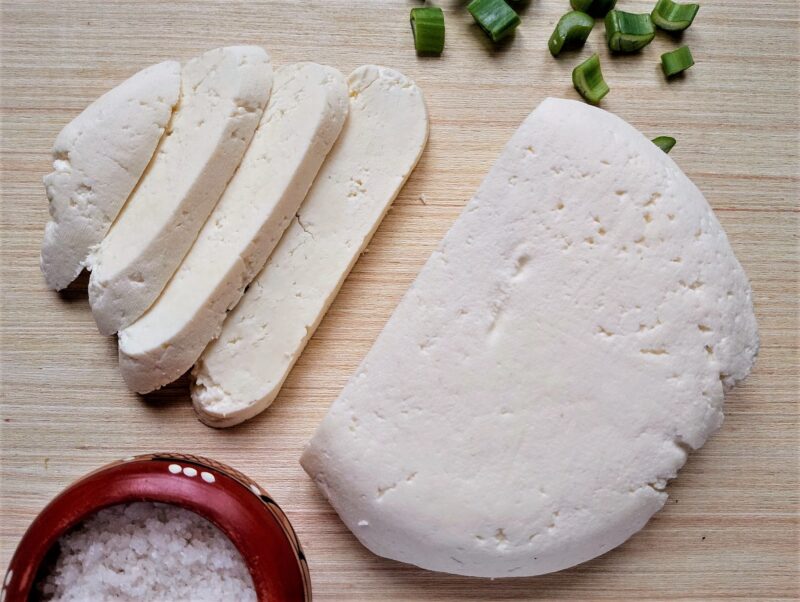
Paneer is one of the easiest cheeses you can make without rennet. This firm, sliceable cheese is made by simply heating milk and adding an acid like lemon juice or vinegar. No cultures and no complicated steps are required. It’s a staple in Indian and South Asian cooking, so if you enjoy those flavors, you’ve likely come across paneer before. While I usually make it with raw milk, paneer is very forgiving and can be made with just about any milk you have on hand, which makes it a great budget-friendly option.
One of the things I love most about paneer is that it doesn’t melt when heated. Instead, it holds its shape beautifully, making it perfect for grilling, pan-frying, or adding to curries. When fried in coconut oil or ghee, it turns a rich golden brown and develops a light, crispy crust—so good, and perfect for soaking up all the flavors of a dish. Our favorite way to use paneer is in grilled sandwiches, but it’s just as delicious added into a simple curry or served alongside roasted vegetables. If you’re new to cheesemaking, start with this easy paneer recipe—it’s quick, forgiving, and perfect for beginners.
Queso Fresco (Mild, Crumbly Cheese Made Without Rennet)
Queso fresco is a mild, fresh Mexican cheese similar to farmer’s cheese. It comes together quickly with just milk and a small amount of acid. To make it, you gently heat the milk and add vinegar or lemon juice, which causes the curds to separate from the whey. From there, you can keep it soft and crumbly by simply draining it through cheesecloth. Or press it lightly in a homemade press (no need to purchase a special cheese press) if you prefer a firmer, sliceable cheese. I usually make queso fresco with raw milk for the flavor. Still, pasteurized milk works well too—just be sure to use whole milk for the best texture.
In the kitchen, queso fresco is traditionally used in dishes like tacos, enchiladas, fajitas, and quesadillas. It’s however just as good crumbled over chili or bean dishes, mixed into scrambled eggs or breakfast casseroles, tossed into salads, or sliced for sandwiches. Because it doesn’t melt smoothly, queso fresco is best used as a finishing cheese. Add it just before serving for a fresh, creamy bite but don’t try to cook with it— it won’t melt nicely like mozzarella. Follow this simple queso fresco method for beginners.
Traditional Cheeses Made Without Rennet (Naturally Cultured)
These cheeses are also made without rennet, but instead of using added acid, they rely on natural souring or gentle culturing of raw milk. They do take a bit longer—but almost all of that is passive time while the milk sits at room temperature and develops flavor. The hands-on work is minimal. The result however is a richer, more complex cheese that connects you to truly traditional methods. Just like with paneer and queso fresco, you don’t need any special equipment. A piece of cheesecloth (or a clean tea towel), a colander, and a bowl to catch the whey are all it takes. These cheeses are also wonderfully versatile, working just as well in sweet dishes as they do in savory ones.
Cottage Cheese (Fresh, Soft Curd Cheese Without Rennet)
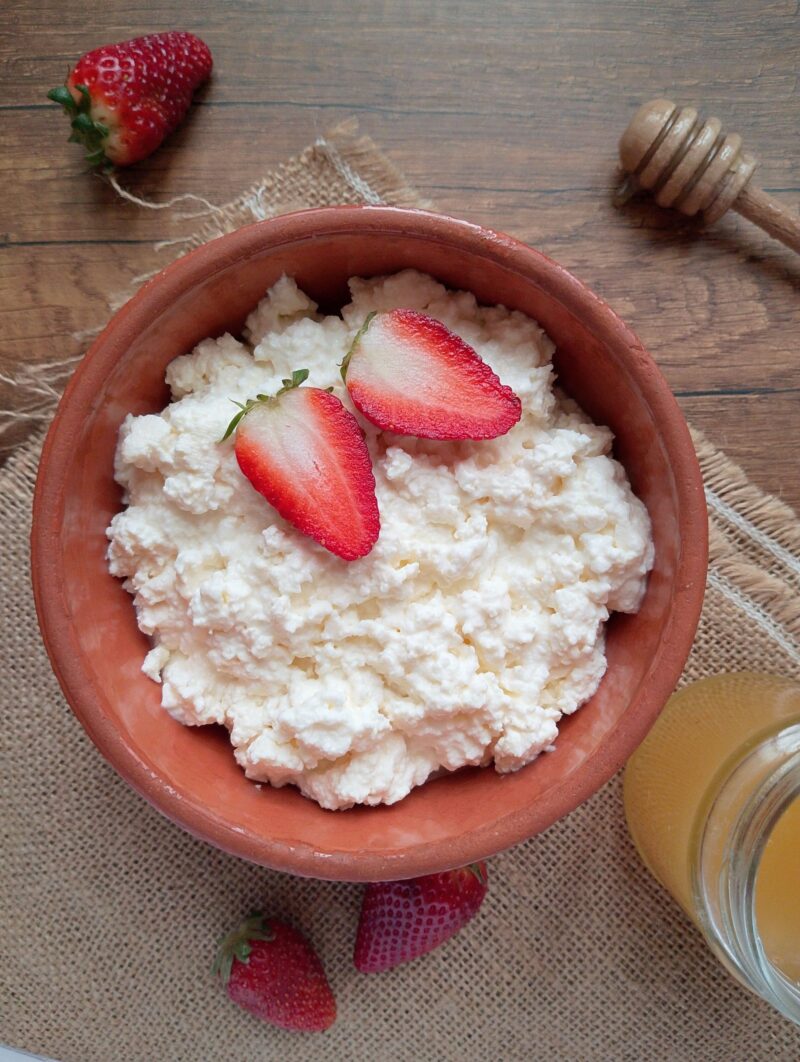
Cottage cheese is a fresh, mild cheese with soft curds, naturally rich in protein and healthy fats. Most recipes for cottage cheese involve heating the milk to separate the curds and whey. I however prefer a more traditional approach. I let raw milk clabber at room temperature, then gently drain the curds through cheesecloth until thick and creamy. This method helps preserve the probiotic qualities of raw milk and gives the cheese a deeper, more complex flavor.
Mild, creamy, and just slightly tangy, cottage cheese is incredibly versatile. It works just as well in savory dishes as it does in lightly sweet ones. Its gentle flavor makes it a favorite with my kids which is why cottage cheese is the cheese I make more often than any other. You can spread it on bread, use it in dips and fillings, or add it to breakfast bowls with toasted nuts, fresh fruit, and a drizzle of honey. See how to make homemade cottage cheese with soft, creamy curds.
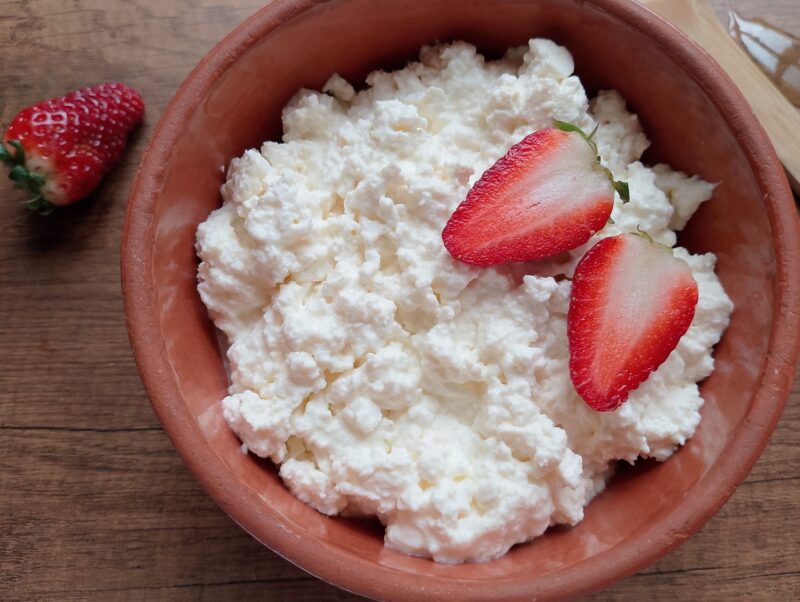
Farmer’s Cheese (Traditional Cultured Cheese from Soured Milk)
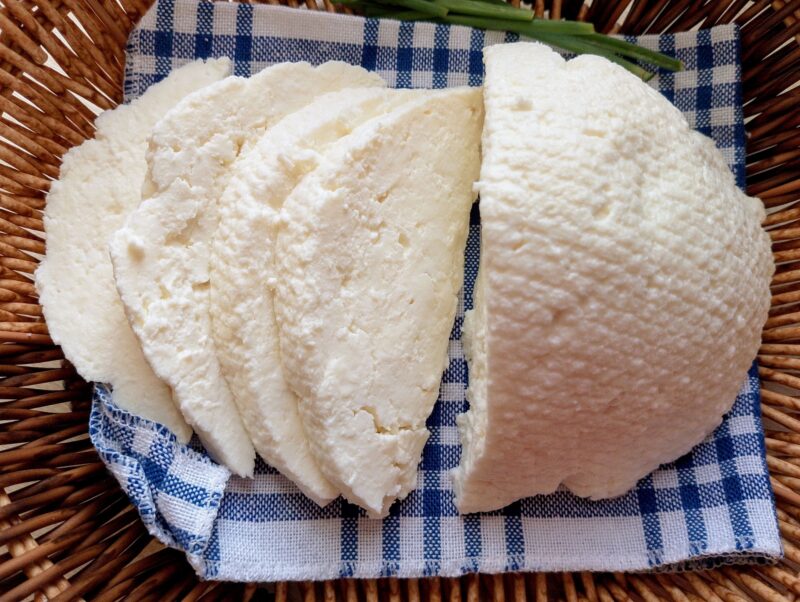
Farmer’s cheese is a soft, slightly crumbly cheese, often made commercially by heating milk and adding a bacterial culture and rennet to coagulate it. At home, I prefer a simpler, more traditional method: letting raw milk clabber until it begins to separate, then gently warming the curds just until they’re heated through. This helps firm them up while still preserving the nutrients in the raw milk. From there, I drain the curds through cheesecloth until they’re thick and slightly crumbly. If you’d like a firmer, sliceable cheese, you can also press farmer’s cheese using a simple homemade press.
Farmer’s cheese works really well in a variety of recipes. You can enjoy it much like cottage cheese—spread over a slice of sourdough and topped with fresh chives—but it also shines in protein-rich breakfast bowls, tucked into pancakes, folded into scrambled eggs, or even served as a lightly sweet dessert cheese. Learn how to make traditional farmer’s cheese from soured milk.
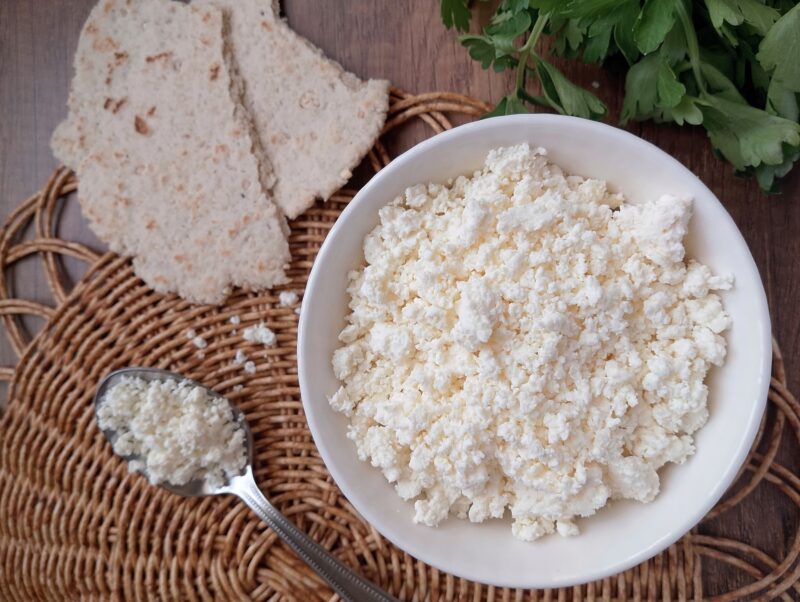
Quark (Creamy European Fresh Cheese Made Without Rennet)
Quark is a simple, fresh cheese with a creamy texture and a pleasant tang, similar to cottage cheese. It’s especially popular in Germany and across Eastern Europe, where it’s a staple in both everyday meals and traditional recipes. At home, it’s easy to make using a traditional method. You let raw milk clabber, gently warm the curds to help them firm up, then drain through cheesecloth until smooth and creamy. It requires very little hands-on time, no special equipment, and yields a generous amount from just a quart of milk.
Quark is super versatile and works well as a substitute for cream cheese, ricotta, or thick yogurt in many recipes. You can use it in savory dishes like dips, crepes, and dumplings, or in sweet recipes like cheesecakes. It’s also delicious served simply for breakfast with a sprinkle of granola and a drizzle of honey. Make your own creamy, cultured quark at home.
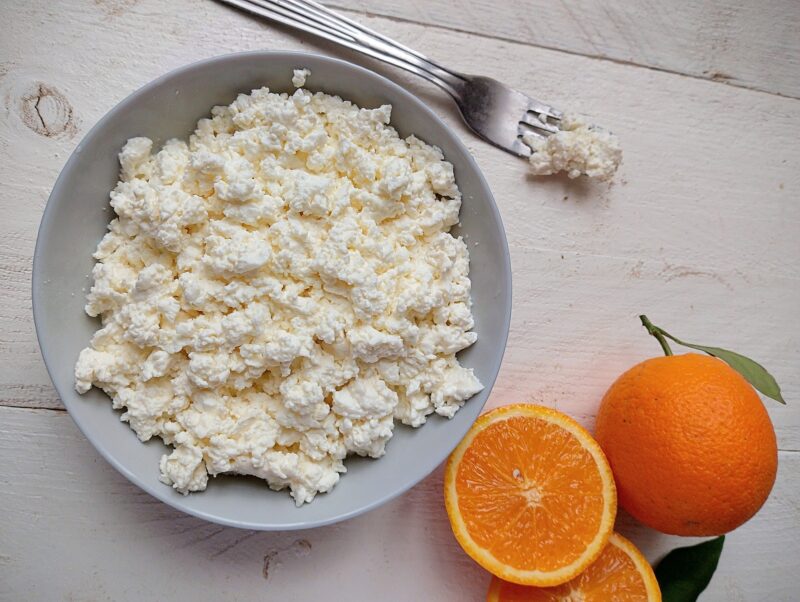
Fromage Blanc (Silky, Spreadable Fresh Cheese Without Rennet)
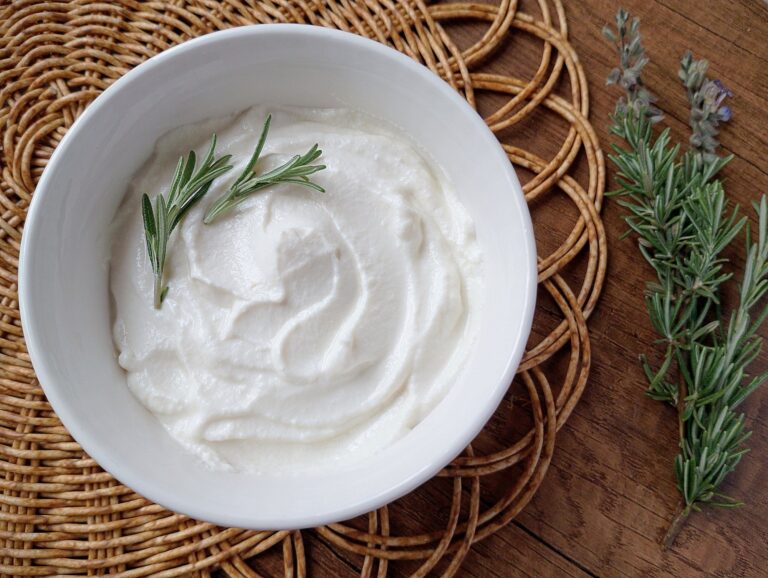
Fromage blanc is a French-style fresh cheese with a smooth, creamy texture—somewhere between ricotta and thick yogurt. In commercial production, it’s typically made with pasteurized milk that’s gently heated before cultures and rennet are added. At home, you can take a simpler, more traditional approach by allowing raw milk to clabber naturally until it thickens—but before it begins to fully separate. This is the key to that silky texture. From there, strain it gently through cheesecloth until it becomes thick and creamy.
Fromage blanc is one of my favorite fresh cheeses because of its beautifully smooth, almost silky consistency. It’s perfect spread over a slice of sourdough, turned into a simple dip for homemade crackers, or used in recipes as a substitute for Greek yogurt or crème fraîche. You can make your own creamy fromage blanc with this simple method.
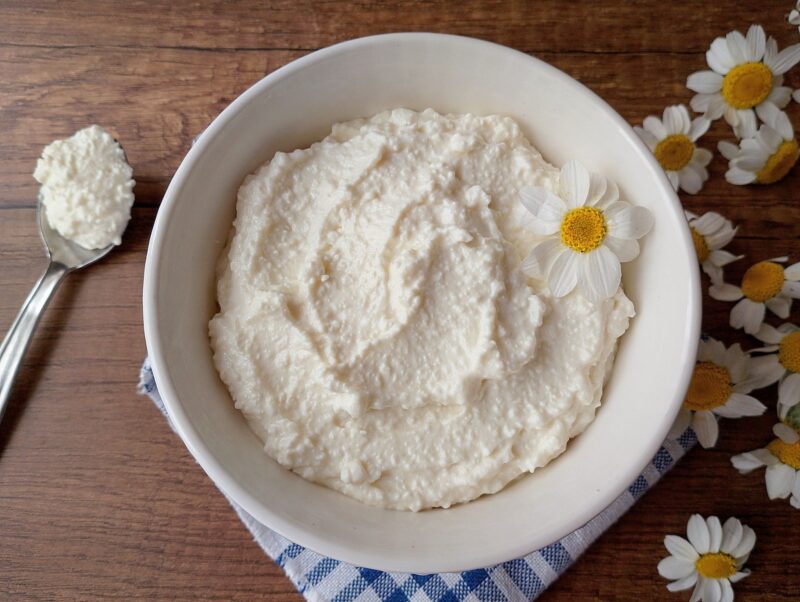
Which Cheese Should You Start With?
If you’re new to cheesemaking, start with paneer—it’s the fastest way to build confidence. It comes together in under an hour, is almost foolproof, and very forgiving. You can also make it with just about any milk you have on hand, although good-quality whole milk will always give you the best flavor.
Once you’re comfortable, come back and try one of the cultured cheeses. Go for fromage blanc if you want something mild and spreadable. If you’re after a slightly deeper, tangier flavor , try cottage cheese — it’s perfect stirred into scrambled eggs or added to protein-rich breakfast bowls.
Want more simple, traditional real food recipes like this? Join my weekly newsletter which I write every week for real food moms like you. Each week I share seasonal recipes, old-fashioned kitchen skills, and practical homemaking inspiration to help you build confidence in the kitchen one simple skill at a time. Sign up below and join us.