How to Make Quark Cheese (Traditional Raw Milk Method)
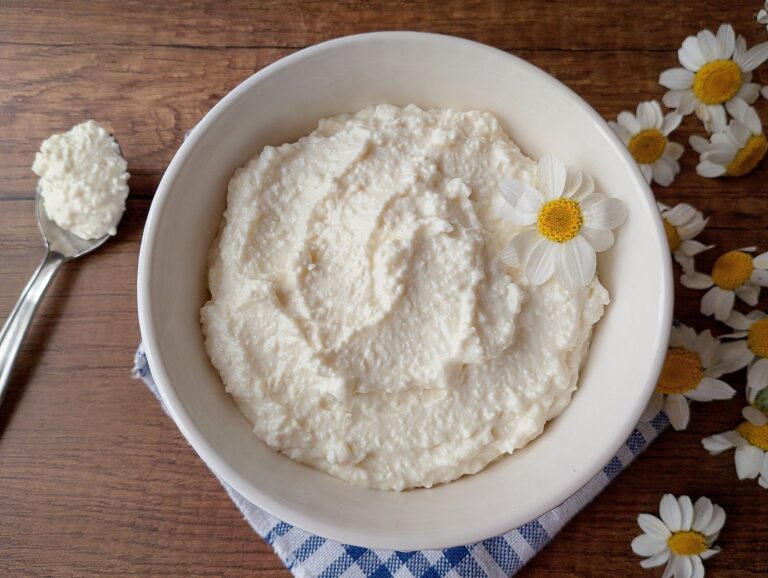
Quark cheese is one of the simplest (and most delicious!) fresh cheeses you can make at home. It requires very little hands-on work, no special equipment, and gives a generous yield from just a quart of milk. This versatile cheese can be eaten fresh like cottage cheese, or used in dips and spreads, tucked into pancake fillings, or baked into cheesecakes and breakfast casseroles. In this tutorial, I’ll show you how to make quark cheese from clabbered raw milk, so you can have a fresh, homemade cheese ready in just a couple of hours.
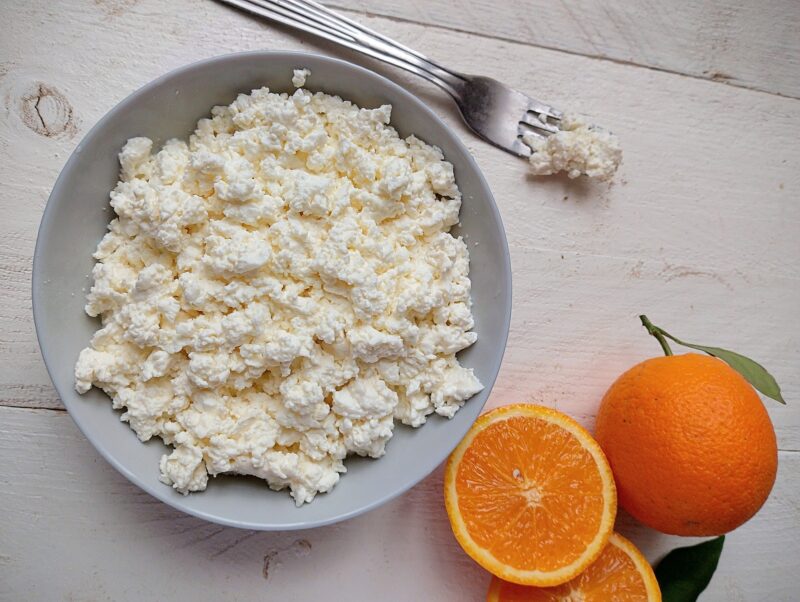
Why You’ll Love This Cheese
- Gives you a generous amount of cheese for very little effort
- Perfect for using up clabbered raw milk instead of wasting it
- Naturally rich in nutrients and probiotics
- Mild and versatile—delicious in dips, spreads, pancake fillings, and cheesecakes
What Is Quark Cheese
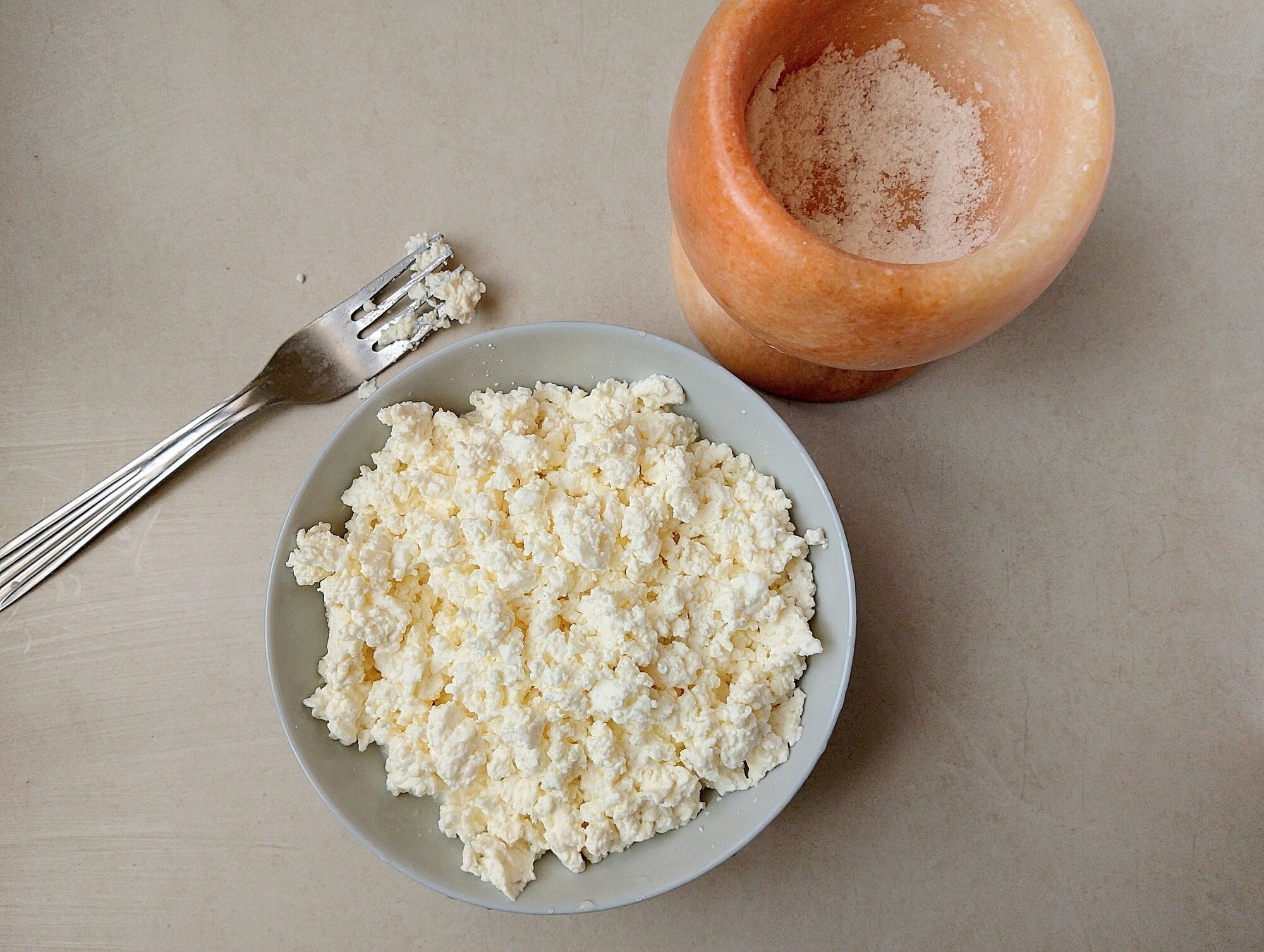
Quark cheese is a simple fresh cheese made from soured milk, which means it’s an acid-set cheese (curdled through natural fermentation rather than rennet). It has a creamy texture and a pleasantly tangy flavor, similar to cottage cheese—but softer and more uniform, closer to thick yogurt or fromage blanc. It’s also smoother and more spoonable than farmer’s cheese, with a higher moisture content. Quark cheese is especially popular in Eastern Europe and Germany. However, I also used to see it in UK supermarkets when I lived there. It’s incredibly versatile—you can use it in savory dishes like dips, spreads, and dumplings, or in sweet recipes like pancakes and cheesecakes (so good!). In our house, we like to salt it lightly and spread it on a thick slice of sourdough bread.
Why Make Quark At Home
For me, the first reason is simple—it’s fun. Cheesemaking is such a satisfying hobby, and fresh cheeses like quark give you a generous yield from just a quart of milk with very little hands-on work (about 10–15 minutes total). Second, you’re in full control of the ingredients. You can make quark cheese at home with just one ingredient—raw milk—making it a simple, nourishing option. And finally, you end up with a truly versatile cheese you can enjoy fresh or use in all kinds of cooking and baking.
Benefits of Using Raw Milk
In this quark cheese recipe, I use fully soured (clabbered) raw milk. This way none of the vitamins and minerals are damaged by high heat. You only need to warm the milk slightly—just enough to help the curds tighten—so the natural benefits of raw milk are largely preserved. Be sure to use high-quality raw milk from a trusted source. We’re fortunate to have a couple of shops we rely on (we live in a part of the world where you can still buy raw milk in shops!). Wherever you are, it’s worth taking the time to find a source you feel confident in.
Ingredients
- 2 quarts (2 liters) clabbered raw milk
- Fine salt, to taste (optional)
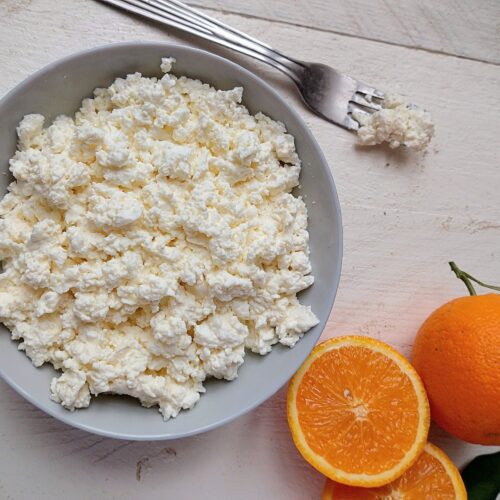
Your yield will depend on the richness of your milk and how long you let the quark cheese drain. Expect about 1 cup for a firmer, drier quark, or 2 cups for a soft, creamy quark (like mine).
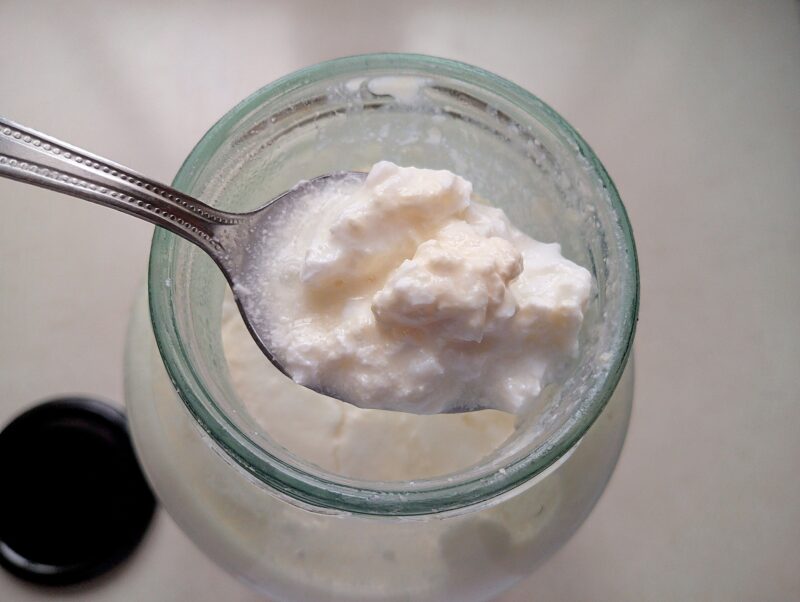
To clabber raw milk, leave it in covered jars or similar glass containers at room temperature for 24–72 hours. You’ll know when your milk is ready when it has thickened (looks similar to yogurt or soft jelly), the curds have slightly separated from the watery whey, and it smells pleasantly sour.
Tools You’ll Need
- Medium or large heavy-bottomed pot
- Clean cotton tea towel or cheesecloth
- Ladle
- Colander
- Large bowl to catch the whey
How to Make Quark At Home Step-By-Step
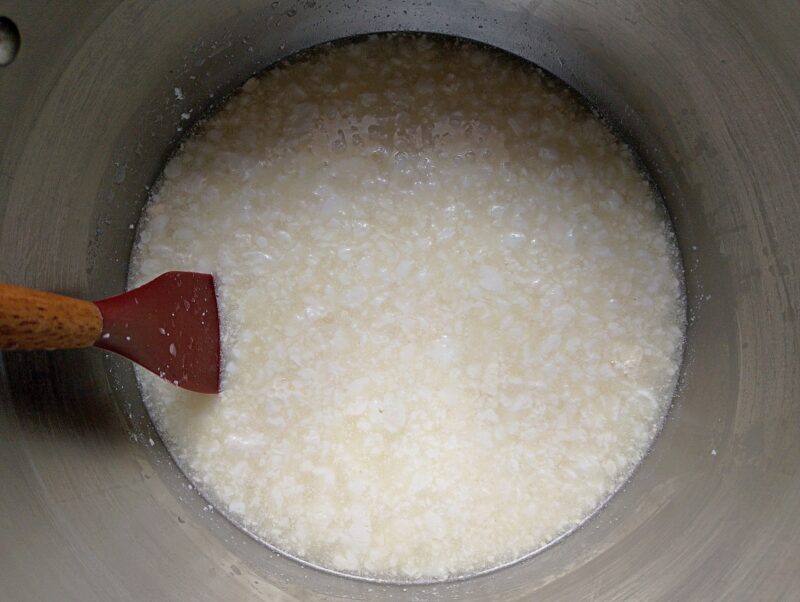
Step 1:Gently transfer the clabbered milk from your jars into a heavy-bottomed pot and place it over low heat. Warm it slowly to about 35–40°C (95–104°F). You don’t need a thermometer—just use the touch test. If a clean finger dipped into the milk feels comfortably warm (not hot), it’s ready to strain through your cheesecloth. While it heats, you can stir it once or twice very gently to help it warm evenly, but avoid vigorous stirring or you may break up the curds.
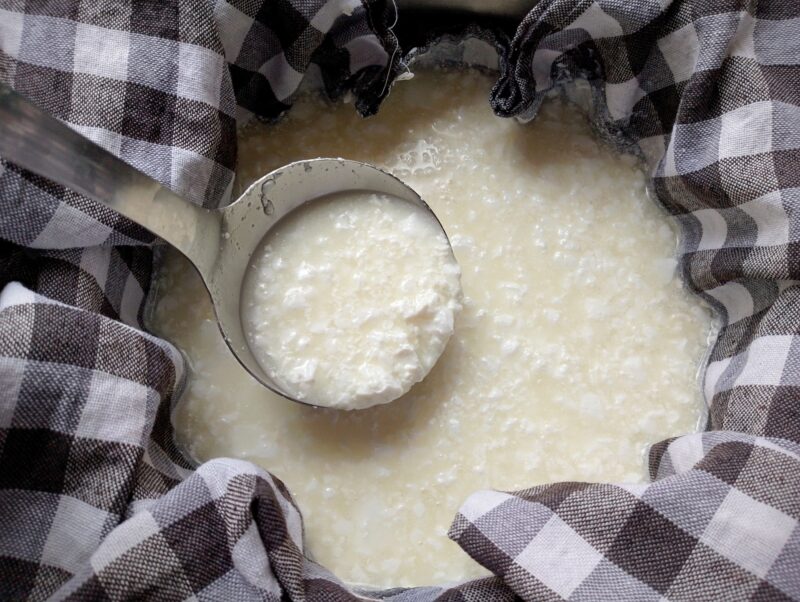
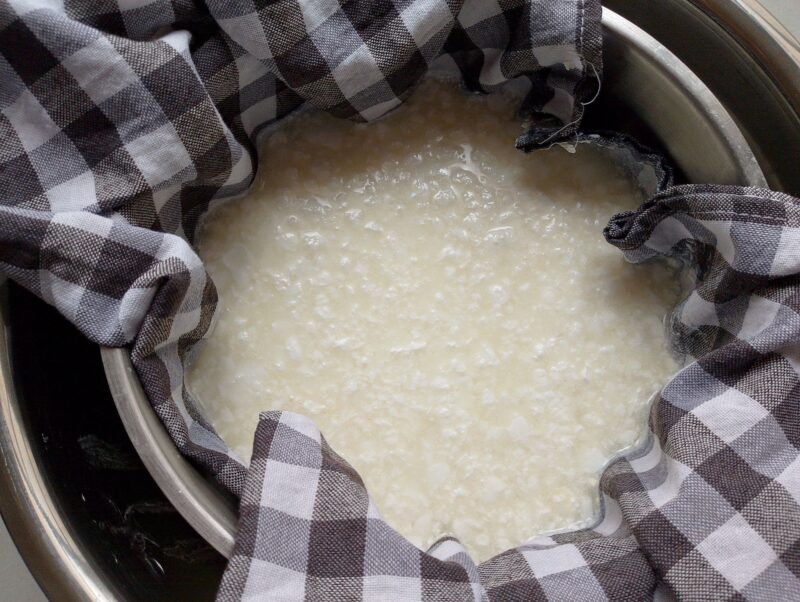
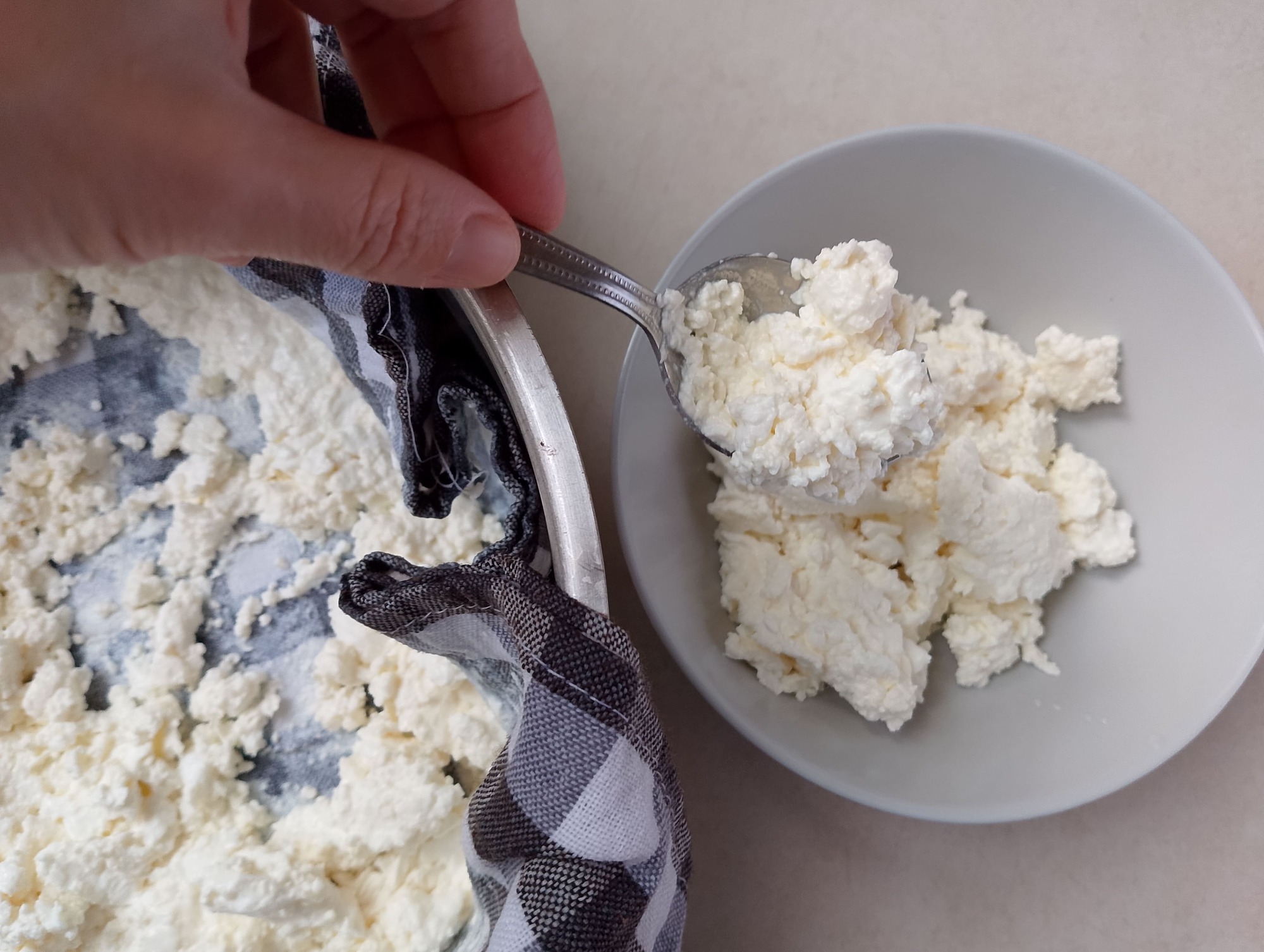
Step 2: Gently ladle the curds into a colander set over a bowl and lined with cheesecloth (I use a clean tea towel that’s dedicated just to cheesemaking).
Troubleshooting
If your quark didn’t turn out quite right, here are a few common issues and simple ways to fix them:
Milk didn’t thicken / is still liquid
It may take up to 3 days for your raw milk to clabber (thicken), especially if it’s very fresh or if your kitchen is cool. Keep it in a warm spot (around 20–24°C) for a bit longer.
Quark is too sour
Properly made quark cheese should be pleasantly sour, not overly sharp. If it tastes too sour, the milk may have fermented for too long or been left in a very warm place. Milk that clabbers during hot summer months often develops a stronger sourness than milk that ferments more slowly in cooler temperatures. Next time, let the milk clabber only until it thickens, then move it to the refrigerator if you’re not ready to make quark right away.
It’s also worth to mention that if you’re not used to fermented foods like clabbered milk, sauerkraut, or pickles, they can taste quite sour at first. This will change over time as your taste buds adjust, and the gentle tang becomes much more pleasant.
Quark is too runny after straining
Strain your quark for longer (several more hours or overnight). You can even place it to drain overnight in the refrigerator and it should be nicely thick by morning.
Too thick or dry
This usually means the quark has been left to strain for too long. The good news is it’s very easy to fix. Simply stir in a little fresh milk or cream until you reach your desired consistency. You can also add back a bit of the whey to loosen it up and make it creamier again.
Bitter or off taste
If your quark cheese tastes bitter or “off,” the milk was likely contaminated or beginning to spoil. It’s safest to discard the batch. To avoid this in the future, always use good quality raw milk. Also make sure your jars, pots, and utensils are thoroughly clean before you begin.
Mold or unusual smell
This is usually caused by contamination during fermentation. In this case, it’s best to discard the cheese and start again. Next time, make sure you’re using good-quality raw milk and very clean equipment, especially jars, pots, and utensils.
That said, a bit of encouragement: contamination is actually quite rare when you’re working clean and using fresh milk from a trusted source. In all my years of making cheese at home, I’ve never had a batch spoil because I always stick to clean tools and reliable milk.
How to Use Quark Cheese
Quark cheese is one of the most versatile fresh cheeses you can make at home. It’s a great substitute for thick yogurt, cream cheese, cottage cheese, and even ricotta in many recipes. Here are some delicious ways to use it:
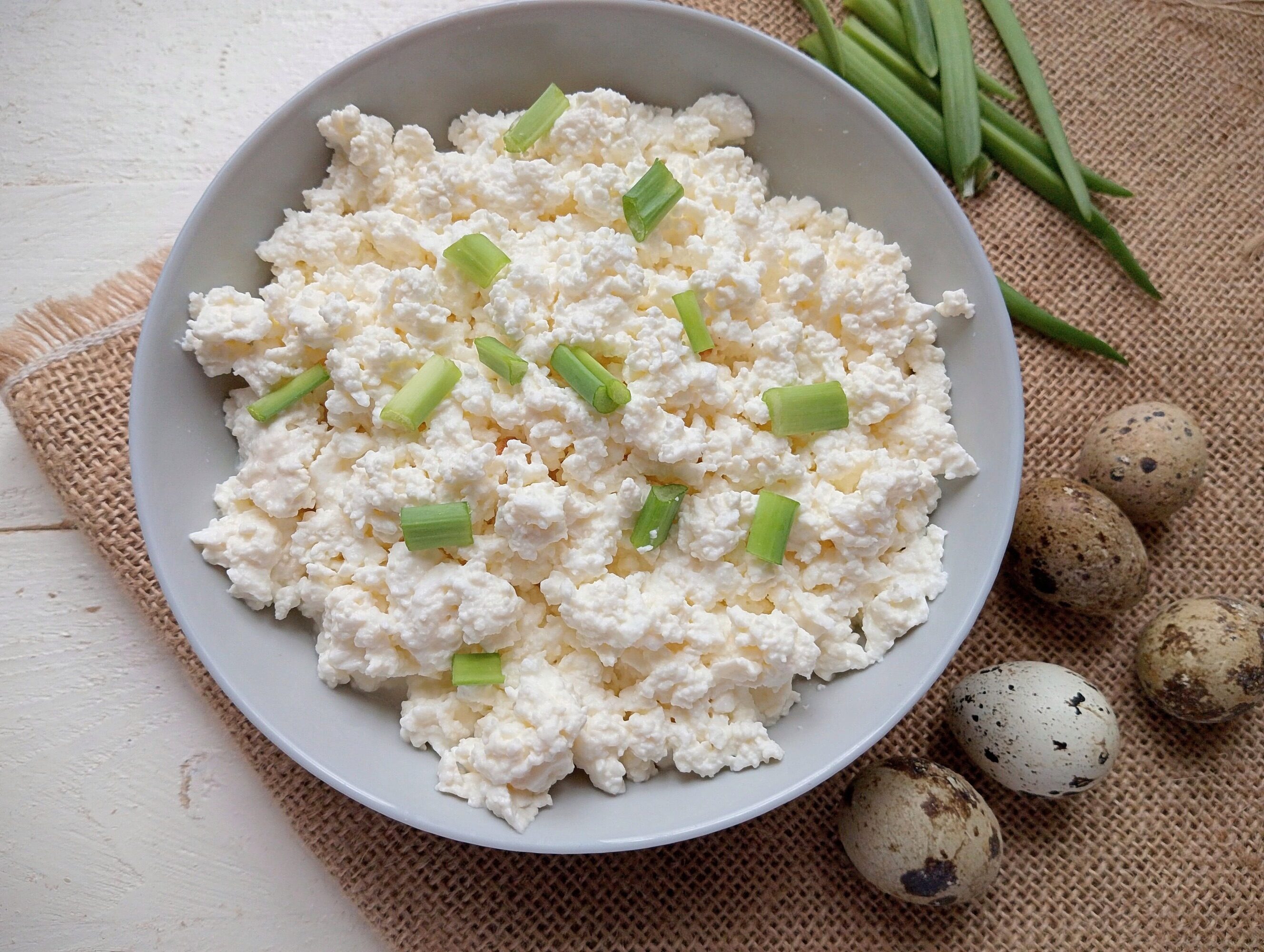
- Use it as a spread on sourdough, toast, or flatbread, topped with chives or sliced green onions.
- Quark cheese is a classic baking cheese in Europe. You can add it to cheesecakes, coffee cakes, and pastries.
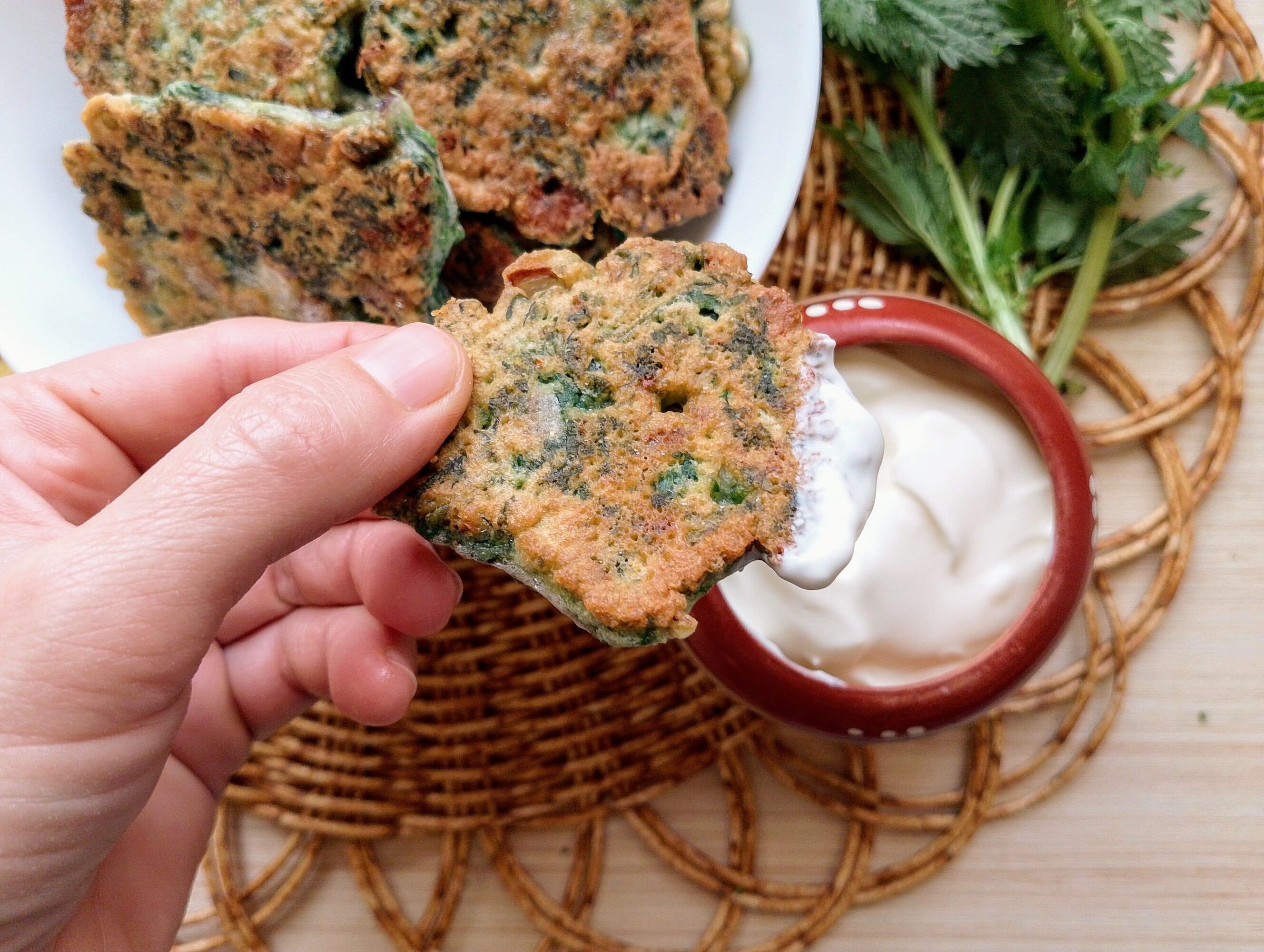
- Use it as a filling for dumplings, crepes, and both sweet or savory pancakes. It’s often mixed with herbs, seasonings, and egg when used this way. My grandma often served fresh cheese-filled crepes and dumplings (pierogi) for dinner.
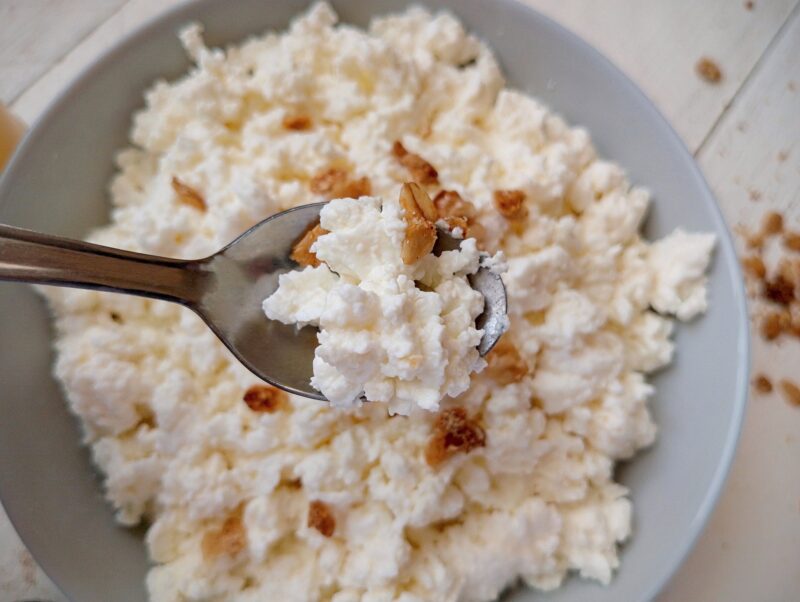
- Add it to breakfast bowls. Topped with toasted nuts, fruit, homemade granola, and a drizzle of honey, it makes a simple, high-protein breakfast. My kids especially love it this way.
Don’t discard the whey you get after making quark cheese. It’s full of nutrients and has plenty of uses in the kitchen. For 20 simple ways to use up whey, check out this post.
How to Store Quark
Here are my tips for storing quark to keep it fresh for as long as possible:
- Store quark cheese in an airtight glass container (I usually use a canning jar with the lid screwed on tightly) in the coldest part of your refrigerator. Use it within 3–5 days. If you leave it to drain well, then lightly salt it, it may last up to 1 week.
- It’s normal for it to separate a little in storage—you may see a bit of whey on top. Just give it a quick stir before serving.
- You can also freeze quark for 1–2 months. However, the texture will become slightly crumbly after thawing (this happens with most fresh cheeses). For this reason, it’s best to use it in baking, like cheesecakes or breakfast casseroles, rather than eaten fresh.
- If your quark thickens too much in the fridge, stir in a little milk or cream to loosen it back up.
Recipe FAQ
Ready to Try Making Quark Cheese?
I hope you enjoy making this traditional quark cheese and that it inspires you to try more fresh raw milk cheeses at home. If you make it, I’d love for you to come back and leave a 5-star rating—it really helps my recipes reach more people who want to learn old-fashioned skills.
For more simple cheesemaking, baking, ferments, and real food inspiration from my kitchen to yours, join my weekly newsletter. I share new recipes and homemaking tips every week.
More Simple Cheese Recipes
Quark Cheese
Equipment
- large heavy bottomed pot
- Ladle
- cheesecloth
- colander
- Large bowl (to catch the whey)
Ingredients
- 2 quarts (liters) raw milk, clabbered
- 1 tsp fine salt (optional)
Instructions
- Gently transfer the clabbered milk into a heavy-bottomed pot and warm it slowly over low heat to 35–40°C (95–104°F). Stir once or twice very gently to help it heat evenly, but avoid vigorous stirring so you don’t break up the curds. It should feel pleasantly warm to the touch.
- Ladle the curds into a colander lined with cheesecloth (or a clean tea towel) set over a bowl to catch the whey.
- Let the curds drain for about 2 hours for a soft, creamy quark, or 6–8 hours for a firmer, drier texture—drain until it reaches your preferred consistency.
- Transfer the drained quark to a bowl, stir gently, and season with fine salt to taste (omit salt if using for sweet recipes).
- Serve immediately or store covered in the refrigerator until ready to use.
Notes
- Your yield will depend on the richness of your milk and on how long you leave your quark to drain. Typical yield is from 1 cup for drier quark to 2 cups for soft, creamy quark.