Ginger Bug 101: Benefits, Feeding, and How to Keep It Alive
A ginger bug is a fun and budget-friendly ferment to try at home. Unlike other ferments, it doesn’t require buying a starter culture—just fresh ginger, sugar, and water. In just a few days of simple feeding, you’ll have a lively culture ready to use. In this tutorial, I’ll walk you through how to make a ginger bug starter step by step. I’ll also show you how to care for it, and how to turn it into a refreshing homemade ginger lemon soda.
What is a Ginger Bug?
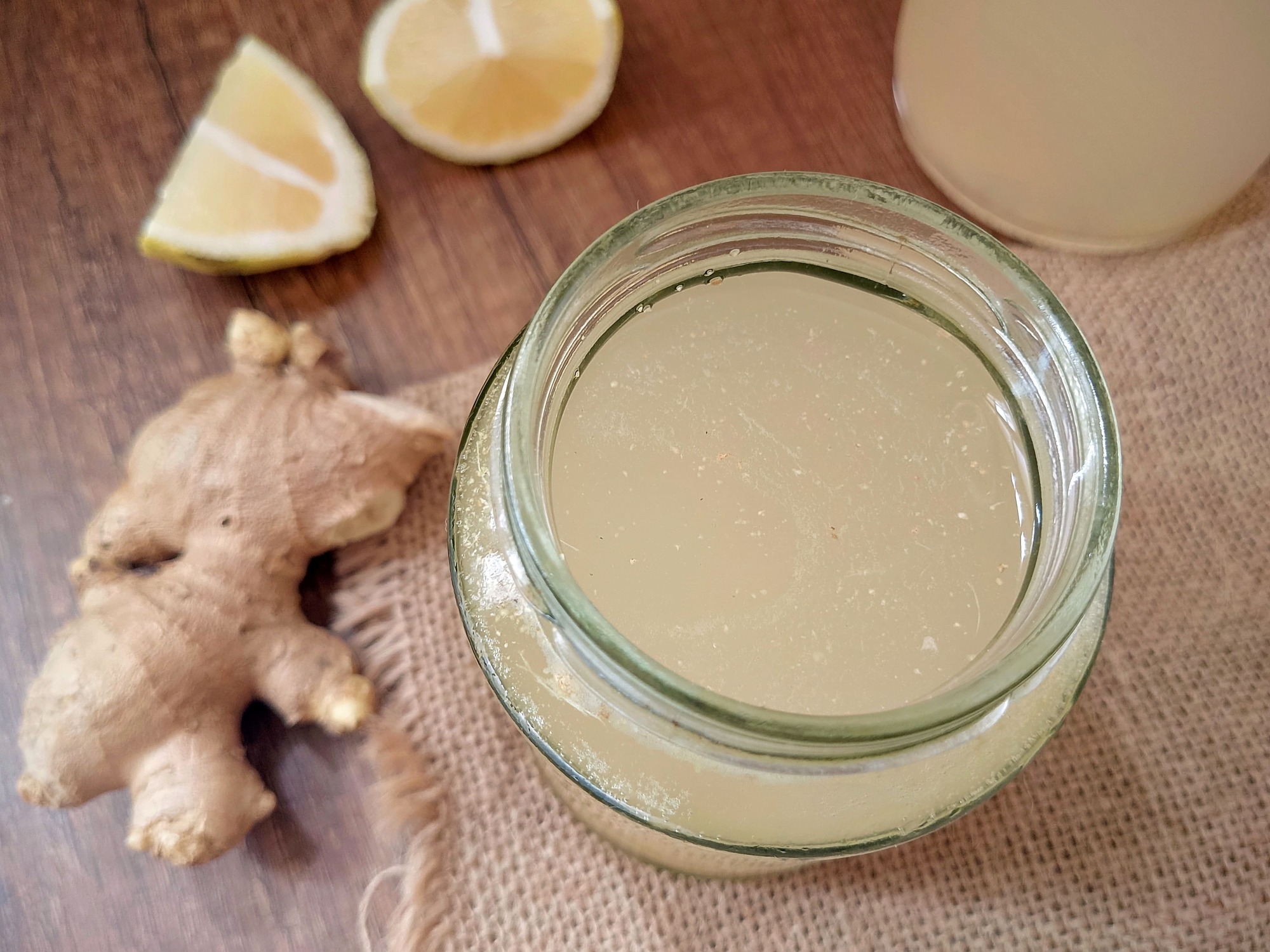
A ginger bug is a wild-fermented starter made from just three ingredients: ginger, sugar, and water. Fermentation works because there are naturally occurring yeasts and bacteria all around us. Some sources claim that the microbes come mainly from the skin of unpeeled fresh ginger. While that may be partly true, I’ve successfully made ginger bug starter many times with dried ginger, so fresh isn’t a strict requirement.
When you mix ginger with sugar and water, you create the perfect environment for these wild yeasts and bacteria to thrive. As they feed on the sugar, they produce carbon dioxide and lactic acid. This slowly transforms the mixture into a bubbly, probiotic-rich starter culture. Ginger bug is part of a whole family of wild ferments. It’s a bit like sourdough, kefir, water kefir, and kombucha—each with its own unique community of beneficial microbes.
When I first began experimenting with fermentation about 15 years ago, my gateway ferment was kombucha. Later, I bought a sourdough starter, thinking the only way to grow a culture was to purchase one. I was amazed when I discovered ginger bug in a fermentation book: here was a culture I could create from scratch with simple pantry ingredients. Even better, if I didn’t feel like maintaining it long-term, I could just use it up and make a fresh one the next time I wanted homemade soda—for just a few pennies. And this is what I usually do – I make a lot of ginger soda in the warm summer months, then I use up the ginger bug at the end of summer and not make any more until summer rolls again. When weather turns cold, I do not crave homemade soda any more.
Benefits of a Ginger Bug
Ginger bug is packed with beneficial microbes, making it a gut-healthy probiotic drink and a nourishing alternative to regular soda. Once active, this wild starter naturally carbonates beverages while being inexpensive, simple to prepare, and perfect for beginners. I love using it to make refreshing ginger lemonade or ginger limeade, but you can also get creative. Ginger bug pairs beautifully with diluted fruit juices (just be sure they’re free from preservatives) or with brewed herbal teas for endless homemade soda flavor combinations.
Ingredients
For the Ginger Bug Starter
White sugar: I use white sugar because it’s the cheapest option. Don’t worry—the ginger bug culture will consume most of the sugar as it ferments. You can also use brown sugar if you prefer.
Dried ginger: I use dried ginger because it’s the most convenient, but finely grated fresh ginger works just as well.
For the Ginger Soda
Ginger bug starter: You’ll use some of your newly made ginger bug to ferment the soda, while keeping the rest to maintain your starter for future batches.
Lemon juice: Adds a bright, fresh flavor to the soda. You can use lime juice instead if you prefer.
Brown sugar: Adds sweetness to the soda and provides food for the fermentation. Rapadura works well too.
Fresh ginger: Fresh ginger gives the soda the best flavor, so I highly recommend using fresh rather than dried ginger.
Filtered water: Use filtered water because chlorine in tap water can interfere with fermentation. Filtered water gives your ginger bug a better environment to get started.
Equipment You’ll Need
Large pot or bowl: For mixing the ginger soda before bottling.
Funnel: Makes it easier to transfer the soda into bottles without spilling.
Swing-top bottles: This recipe makes enough to fill about six 16-ounce swing-top bottles. You can also use jars or other containers, but the soda won’t become naturally carbonated.
How to Make a Ginger Bug
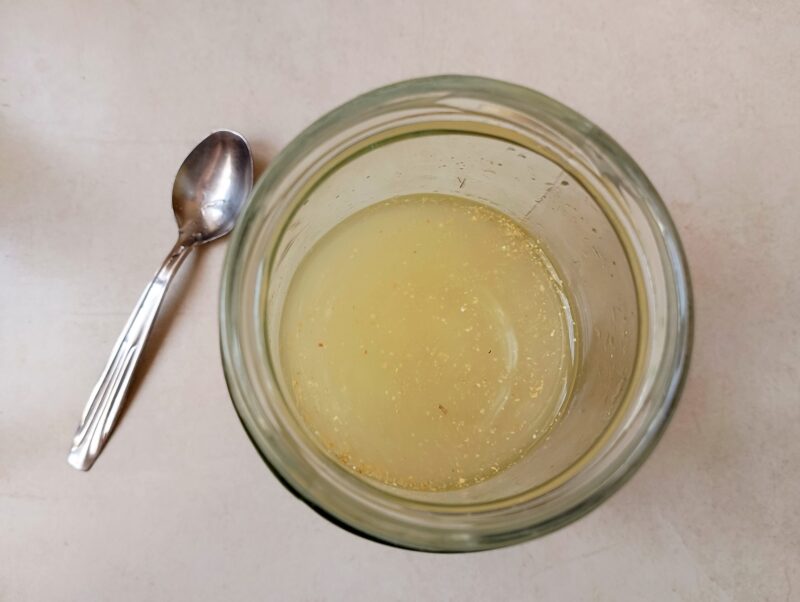
In a pint jar mix 1 ½ cups filtered water, 2 teaspoons white sugar and 2 teaspoons dried ginger. Stir vigorously until the sugar is dissolved. Every day for up to 7 days feed the ginger bug starter by adding 2 teaspoons sugar and 2 teaspoons dried ginger to the jar and stirring it well to incorporate lots of oxygen. Keep the jar somewhere warm and dry, out of direct sunlight and away from any other cultures, such as sourdough or kefir to avoid cross-contamination.
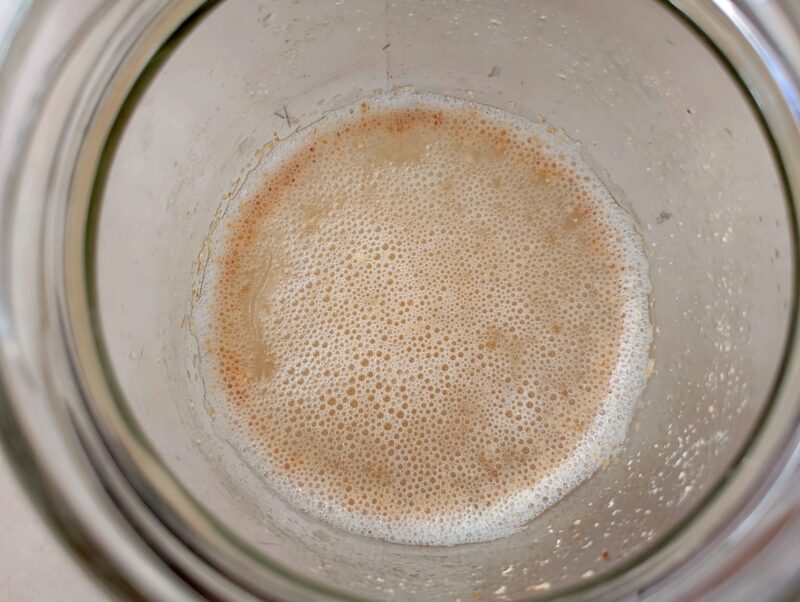
As soon as you see lots of bubbles forming on top of the liquid or the mixture fizzes when you stir it, your ginger bug is ready to be used in making homemade soda. This could takes anywhere between 2 and 7 days – the average for me is 4 days.
How to Make Ginger Bug Soda Step By Step
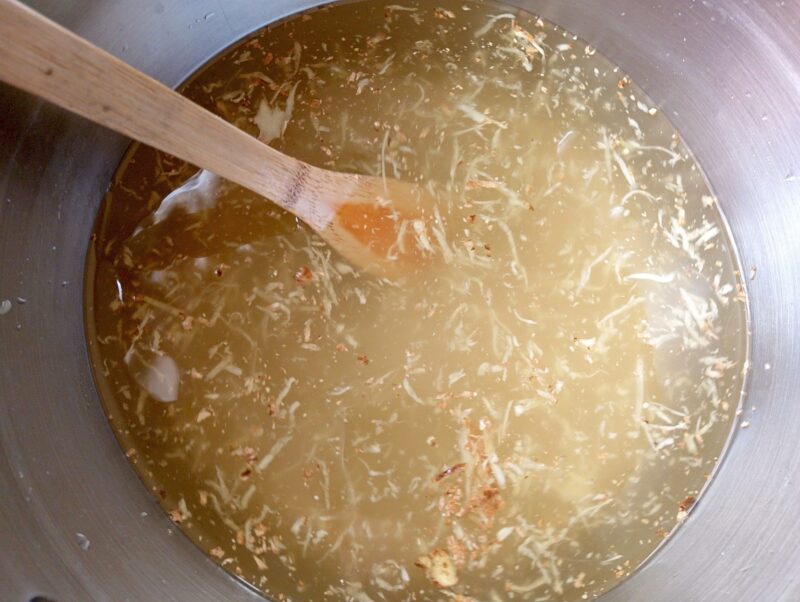
Step 1: In a gallon glass jar, mixing bowl or stainless steel pot combine 1 cup starter (keep the rest for a future batch of soda), fresh ginger, brown sugar, lemon juice, and water. Stir together well until the sugar is fully dissolved. Cover the container with a cheesecloth or a tea towel and leave somewhere warm and dry, out of direct sunlight.
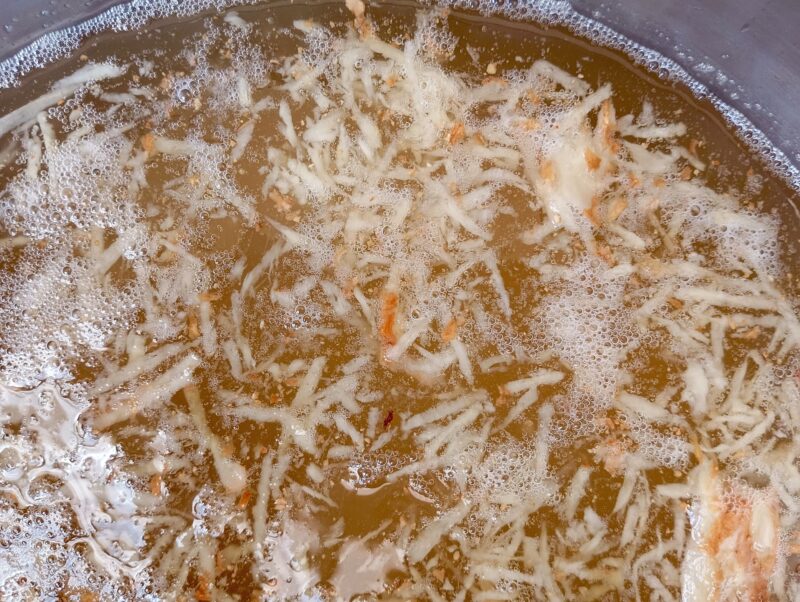
Step 2: Twice a day for the next 2–5 days stir the mixture well. This is important – if you don’t stir it regularly, you risk the fresh ginger on top of the mixture getting moldy. As soon as you see lots of bubbles forming on top or it fizzes when you stir it, proceed to the next step. This sometimes takes as little as 2 days if the temperature in my kitchen is warm.
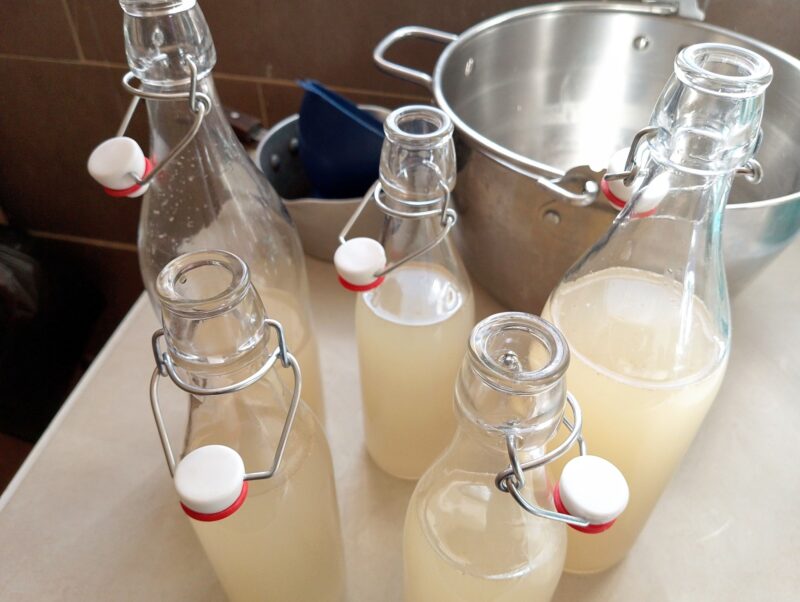
Step 3: Once the soda is bubbly, you can transfer it to swing top bottles. Taste the mixture to make sure it is still slightly sweet – if it is not, add a little more sugar. The bacteria need to feed on some sugar to make your drink carbonated once it is bottled up.
Sieve out the ginger, then pour the ginger soda into swing top bottles. Close tightly with the stoppers. Don’t discard the ginger – there’s plenty of flavor left in it. I always simmer it in some water to make ginger tea concentrate.
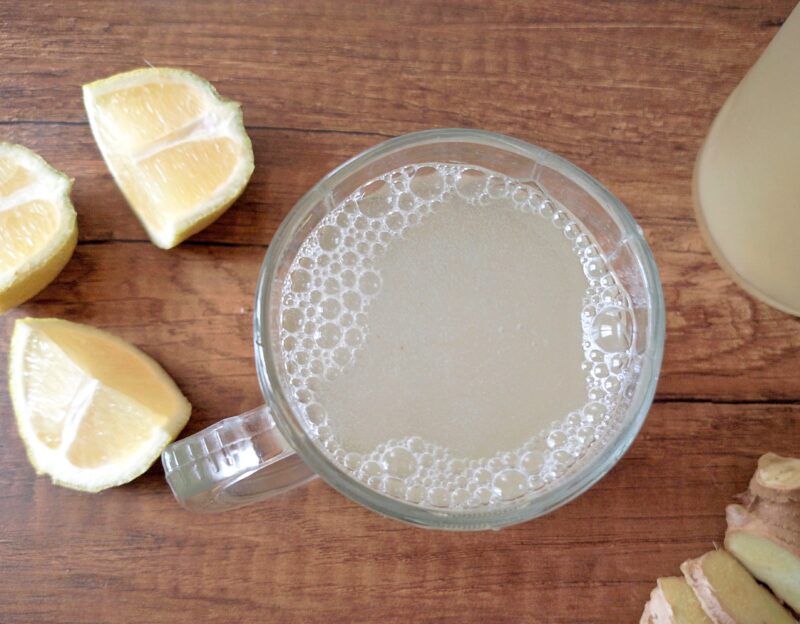
Step 4: Leave the swing top bottles on the counter for another 24-48 hours to make the mixture more carbonated. Test one bottle by opening the stopper for just a moment. If you hear a ‘pop’ and see some bubbles, your soda is ready. Transfer the bottles to the fridge and chill well before serving. Serve your soda well chilled with some ice cubes if you like.
How Much Ginger Bug to Use
Typically, you use about 1/4 cup of active ginger bug per liter (about 1 quart) of liquid to ferment and carbonate a drink. The exact amount can vary slightly depending on how warm your environment is and how fast you want carbonation. If you are not planning to use the starter straight away, it is best to store it in the fridge for up to 7 days. You could keep it on the counter too – but you’d have to feed it daily.
Ginger Bug Care & Maintenance
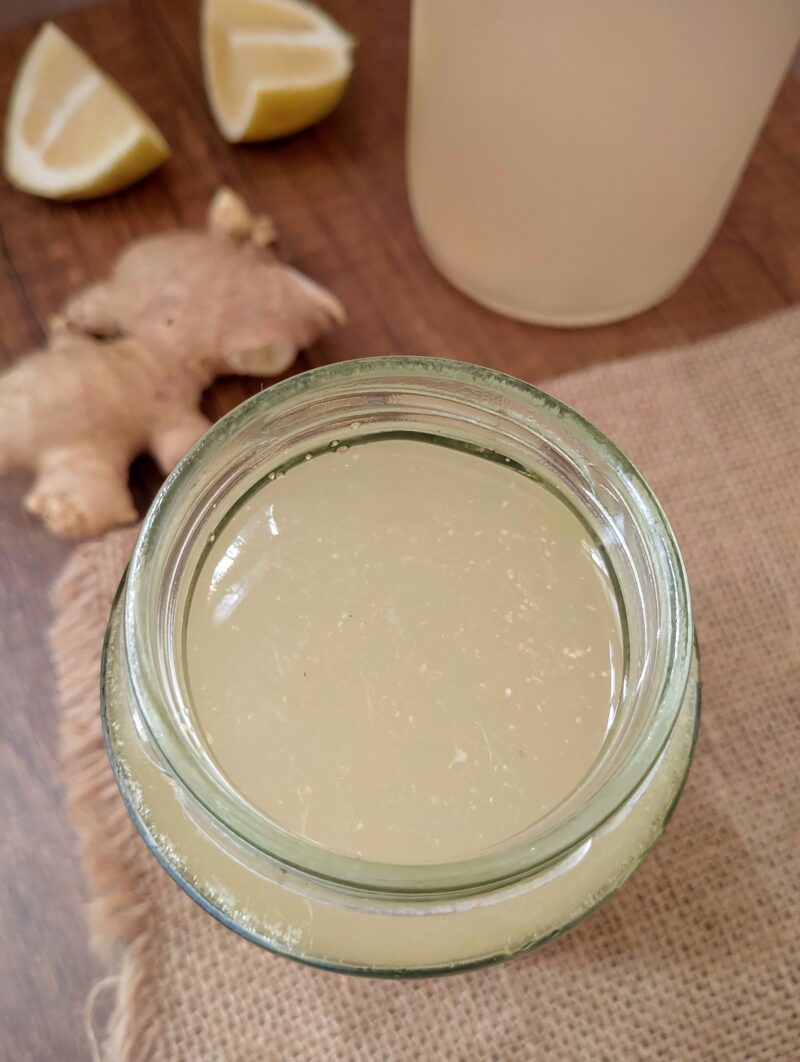
Once your ginger bug is active and bubbly but you’re not ready to use it, you can store it in the refrigerator. It will usually stay fine for about a week without feeding if refrigerated. For longer storage, feed it weekly with a little sugar and fresh or dried ginger to keep it alive, though activity will gradually slow over time. If you find an older ginger bug in the fridge that hasn’t been touched for weeks, you can often revive it. Try feeding it for a couple of days as long as there’s no mold or off smell.
Troubleshooting
Ginger Bug Not Bubbling
If your ginger bug isn’t bubbling, it’s usually because it’s too cold, lacks sugar, or the water (especially chlorinated tap water) is inhibiting fermentation. Move it to a warm spot (around 20–26°C). Then feed it daily with a little sugar and fresh ginger, and use filtered or dechlorinated water. Make sure you cover it loosely and stir it daily so wild yeasts can develop. If there’s still no activity after about a week, it’s best to start over with fresh ginger.
Mold In Ginger Bug
If you see mold on your ginger bug (fuzzy spots in white, green, or black), it’s not safe to salvage. You need to discard it and start fresh. Mold usually forms when the ginger is exposed to air, you don’t stir the jar daily, or conditions are too cool or stagnant. To prevent it, keep the ginger submerged at all times. Stir it every day (this is super important – the only time I ever had issues with mold was when I forgot the daily stirring!). Finally use a clean jar, and cover loosely so it can breathe but stay protected.
Ginger Bug Stopped Bubbling
If your ginger bug stopped bubbling, it’s usually just hungry, too cold, or needs a refresh. Start feeding it daily again with a little sugar and fresh ginger, stir well, and move it to a warmer spot (around 20–26°C). If it’s been sitting unused, pour off half and refresh it with clean water and feedings to wake it back up. If there’s still no activity after a few days, it’s best to start a new one.
How to Re-Start A Ginger Bug For a New Batch of Soda
- Pour the starter into a pint jar, discarding as much of the ginger sediment as possible.
- Add enough water to have a total of 1 1/2 cups.
- Every day feed it with 2 teaspoons each of sugar and dried ginger and stir well.
- Once it is fizzy again, use it for a new batch of soda, reserving some in the fridge for a future batch if you like.
Recipe FAQ
Final Thoughts
The ginger bug is easy, frugal, and makes a fantastic alternative to water kefir grains or kombucha for fermenting homemade drinks. I personally love the bright, zesty flavor of ginger lemonade. However, you can also use ginger bug starter to create all sorts of unique sodas and flavored beverages, like ginger rhubarb soda or ginger limeade.
Love old-fashioned kitchen projects and traditional ferments? Join my weekly newsletter for practical real-food recipes, traditional skills, and simple homemaking inspiration to help you nourish your family and create a more old-fashioned home—one project at a time.
More Traditional Fermented Drinks
How to Make a Ginger Bug Starter + Homemade Ginger Soda Recipe
Equipment
- Large bowl or pot
- Funnel
- 6 x 16oz swing top bottles
Ingredients
For the ginger bug starter
- 10 tsp white sugar
- 10 tsp dried ginger
For the ginger soda
- 1 cup ginger bug starter
- 1/3 cup fresh ginger finely grated
- 1/3 cup lemon juice
- 2/3 cup brown sugar or rapadura
- 10 cups filtered water
Instructions
To make the starter
- In a pint jar mix 1 ½ cups filtered water, 2 teaspoons white sugar and 2 teaspoons dried ginger. Stir vigorously until the sugar is dissolved.
- Every day for up to 7 days feed the ginger bug starter by adding 2 teaspoons sugar and 2 teaspoons dried ginger to the jar and stirring it well to incorporate lots of oxygen.
- As soon as you see lots of bubbles forming on top of the liquid or the mixture fizzes when you stir it, your ginger bug is ready and you can use it to make the soda recipe below. The starter could be ready in as little as 2 days or as long as 5 days. If on day 7 there is still no bubbles, discard the mixture and start over again – don't worry, this is very unlikely to happen.
- If you are not using the starter straight away, you can keep it in the fridge for up to a week. If you keep it longer than that, you will have to re-activate it by transferring it to the counter and feeding it for a day or two before using it to ferment sodas.
To make the ginger soda
- In a gallon glass jar or similar container, combine 1 cup starter (reserving the rest for a future batch of soda), fresh ginger, brown sugar, lemon juice, and water.
- Stir together well until the sugar is fully dissolved.
- Cover the container with a cheesecloth or a tea towel and leave somewhere warm, out of direct sunlight.
- Twice a day for the next 5 days stir the mixture well. This is important – if you don't stir it regularly, you risk the fresh ginger on top of the mixture getting moldy. As soon as you see lots of bubbles forming on top or it fizzes when you stir it, proceed to the next step.
- Once the soda is fizzy, it is time to bottle it up. Taste the mixture to make sure it is still sweet – if it is quite tart, add a little more sugar.
- Sieve out the ginger, then pour the ginger soda into swing top bottles. Close tightly with the stoppers.
- Leave the bottles on the counter for another 24-48 hours to make the mixture more carbonated. Test one bottle by opening the stopper for just a moment. If you hear a 'pop' and see some bubbles, your soda is ready.
- Transfer the bottles to the refrigerator and let them chill well before serving.
- Consume the ginger soda within the next 14 days or so. It won't spoil if you keep it longer than that, but the bacteria may use up all the sugar by then and turn the soda really tart.
Notes
- The leftover starter can be kept refrigerated for up to a week without feeding.
- To re-start the leftover ginger bug for a new batch of soda, transfer it to a new pint jar and add enough water to have 1 1/2 cups total. Feed it with 2 teaspoons sugar and 2 teaspoons dried ginger until it gets bubbly again (this usually takes 2-3 days). Then use it to make soda.