How to Cook From Scratch Every Day (Without Spending All Day in the Kitchen)
Cooking from scratch is work. It takes time, and if we are serious about it, it is something that needs to be done pretty much every day. Still, it is work worth doing. I see cooking from scratch as giving my family the gift of health and vitality, which makes it joyful work.
But like anything that needs to be done every day, cooking from scratch can sometimes feel like a grind. So in this post, I want to share the exact systems and strategies I use to cook from scratch every day—without spending all day in the kitchen and without getting burned out or overwhelmed.
When I first got married, I knew nothing about sourdough, fermentation, or making my own cottage cheese. I had never really cooked from scratch except when following someone else’s directions. Heck, the only things I knew how to cook by myself were porridge and rice.
I had this idea that cooking was difficult, tricky to master, and that I simply had no gift for it. Once I awakened to the need for cooking from scratch—which began with my own health struggles and search for answers—and started learning to bake bread, make kefir, and cook proper dinners, I realised just how much work was involved.
From-scratch cooking will always be more time-consuming than buying everything ready-made. But once I started doing it seriously, with commitment, day after day, I began to discover strategies that made it easier, more efficient, and much more doable.
These are my top tips for making cooking from scratch every day a natural part of your life. Your default way of feeding your family, rather than something you have to constantly think about. And, for the most part at least, something you can actually enjoy doing. 🙂
Keep Your Pantry and Freezer Stocked
Stop thinking of cooking from scratch every day as making every single thing from scratch every day.
For example, when I want to make pizza for dinner, I don’t start by making pizza sauce or mixing the dough. I already have pizza sauce frozen in portions, along with some pizza dough balls ready to go. When I decide to make sandwiches for lunch, I don’t have to start by baking bread. The bread is already baked and ready to slice, and I have plenty of toppings in the fridge or pantry.
When you have stocked your pantry and freezer well, cooking from scratch becomes much easier. Making dinner is often more about assembling what you already have on hand than making every single ingredient from scratch that day.
Stock the Foods You Use Most
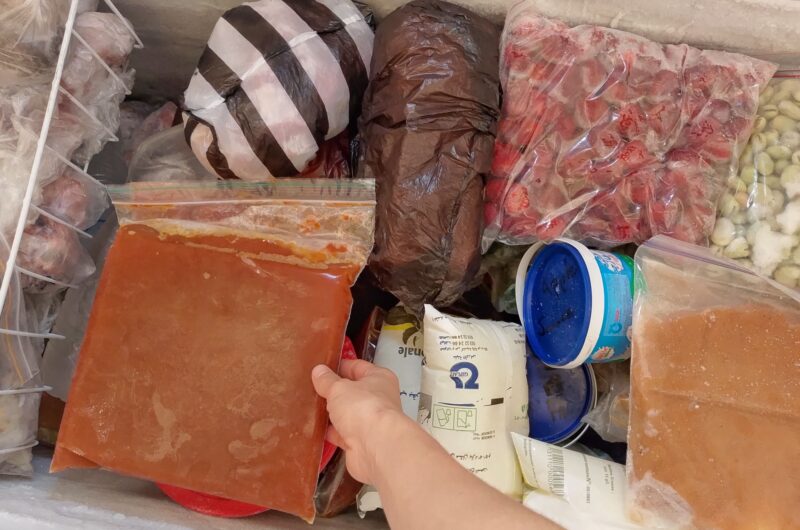
I live in Africa and, unfortunately, don’t have access to a lot of canning equipment. For this reason I rely heavily on my fridge and freezer to keep food prepped and ready to use. Some of my favorite things to have in the freezer are beef, chicken, lamb, homemade bread, bone broth, pasta sauce, applesauce, milk, cream, butter, cottage cheese, and pumpkin puree.
In my pantry, I always have plenty of staples. Most of them are stored in large food buckets: whole wheat and all-purpose flour, rice, oatmeal, beans, lentils, pasta, homemade jam, salt, and spices.
I also like to keep kefir and yogurt, sauerkraut and other ferments, and fresh vegetables and fruit in the fridge—whatever happens to be in season.
Keep Your Food Storage Organized
One final thing: keep your pantry, fridge, and freezer tidy. It is much easier to cook from scratch efficiently when you can actually see what you have and find it quickly. There is nothing more frustrating than having to empty the whole chest freezer onto the floor searching for a container of pasta sauce. (Been there!). Schedule regular tidy-up sessions so your food storage stays organised and you can use what you have strategically.
Have a Collection of Easy Family Meals
I have a collection of easy-to-pull-together, healthy, from-scratch meals that I can build around a few basic homemade staples. I prepare many of these staples in bulk, so I always have them on hand whenever I need them for a meal.
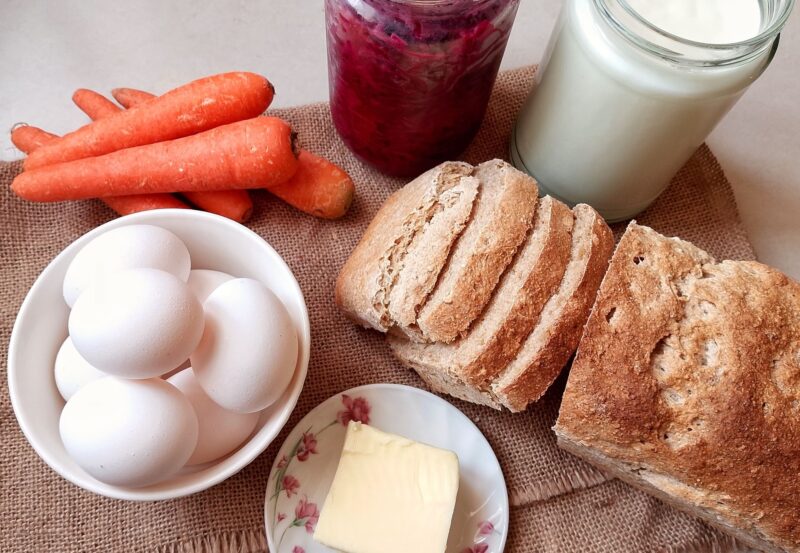
Most of my favorite recipes include sourdough bread, dairy, bone broth, or meat. For example, many of my favorite breakfast and lunch recipes use sourdough bread: things like pizza sandwiches, toasties, bread and butter pudding, stratas, and soups. We also love raw and cultured dairy, and many of my most-used recipes are dairy-based, such as breakfast parfaits, cottage cheese bakes, and dips for sourdough crackers.
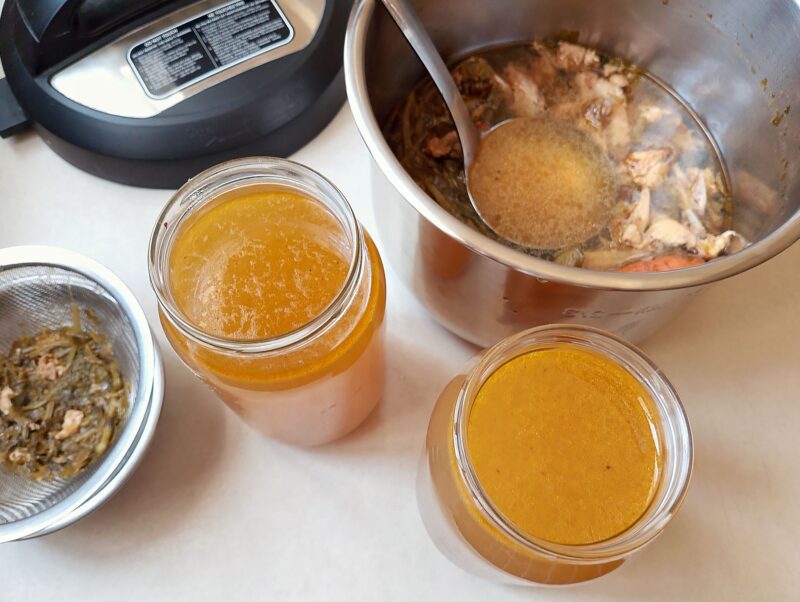
Almost every soup, stew, and sauce I make includes bone broth, so I try to keep at least a week’s worth in the refrigerator. And finally, most of my go-to dinner recipes use either chicken, ground beef, or boneless lamb. If I have these three types of meat in the freezer, I can make almost any recipe from my easy meal collection.
Build Meals Around Homemade Staples
This is what makes cooking from scratch every day so much easier for me. I don’t need dozens of different ingredients to make dozens of different meals. Almost all of the meals I make are built around a few healthy, from-scratch staples. They are recipes I’ve made many, many times. I can prepare them even when I’m tired or short on time.
Yes, it’s fun to try new recipes, and I do learn new ones from time to time. But new recipes are more time-consuming, especially when you have to keep stopping to check the recipe. So, for the most part, I stick to meals I’ve cooked many times before and can make from memory.
Create a Family Meal Rotation
If you want to cook from scratch every day without feeling overwhelmed, make a list of your family’s favorite meals. Choose recipes you know well, that are quick to prepare, and that use ingredients you already have on hand. Fifteen to twenty meals is a good number to start with.
Tape your list to the refrigerator door and simply rotate through those meals. That way, you don’t have to stand in the kitchen wondering what to make for dinner every night. You already have a collection of meals your family loves, and you know you can make them without too much time or effort.
Cook Once, Use Twice (Or More!)
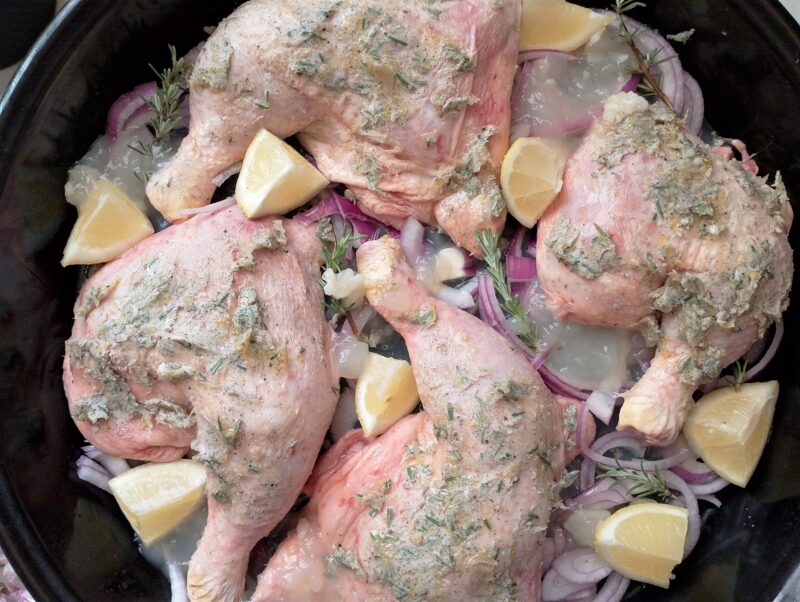
I almost always cook dinner—and often breakfast and lunch too—to last for two or three days at a time. It is so much easier and quicker to make a double or triple batch of beef stew or chicken curry than to cook a completely different dinner every day.
This means I only have to cook dinner two or three times a week. This in turn gives me more time to make other homemade staples like bread, yogurt, and the other foods we rely on.
Once, I had a friend tell me that her family would never agree to eat the same dinner two days in a row. My kids have been eating this way since they started solids. For them, it is simply part of normal life. But if you are transitioning your family to this way of cooking, be patient and persevere. Every change takes time. Kids are resilient and can adapt (husbands too! :).
And to be honest, most kids don’t mind eating the same dinner a couple of days in a row if it’s something they really like. My kids could happily live on sourdough pizza, pita pockets, and roast chicken.
As our kids have grown older, the amount of food I need to make to feed everyone for two or three days has increased greatly. I use large stockpots and extra-large baking dishes. I only wish I had bought a larger Instant Pot. Our 6-quart one has become too small for the amount of dinner I like to cook!
When planning your meals, choose recipes that are easy to prepare in large quantities and that reheat well the next day. Some of my favorite things to cook are stews, soups, curries, and pies because they fit both requirements. They also often taste even better the next day.
This is one of the biggest things that has made cooking from scratch every day manageable for me. I don’t actually have to cook a completely new meal from scratch every day. I cook larger quantities less often. That in turn frees up my time for all the other homemade foods I want to prepare.
Batch Prep Ingredients
This is where the magic of cooking from scratch every day happens.
On the days when you already have dinner ready (following my advice from the previous section), use the extra time you have gained by not cooking dinner to batch prep some of your staples.
I devote two afternoons a week to baking all the bread, buns, pizza dough, and rolls we’ll need for the week, and I freeze most of them. When tomatoes are cheap and plentiful, I make large batches of all-purpose tomato sauce. I then use it for pasta dishes, pizza, curries, and more. They get divided into portions and frozen in zip-top bags or airtight containers.
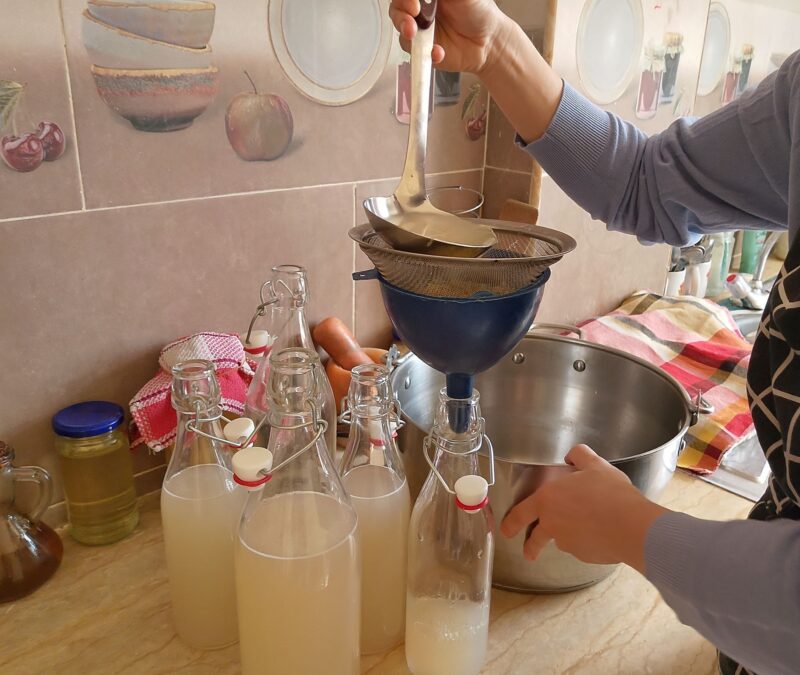
I also make three quarts of yogurt at a time in my Instant Pot, usually overnight so I can use the Pot during the day. I make bone broth in large batches and keep it in jars in the refrigerator to use throughout the week.
Batch Prep the Ingredients You Use Most
Think about the ingredients you use all the time. Do you love cottage cheese pancakes and bakes? Make cottage cheese from a gallon of milk at a time so you always have it on hand. If you love kefir smoothies, make a large batch of kefir once a week so you never run out. If you like breakfast sausage, make a large batch and freeze it on trays. Once frozen, transfer it to zip-top bags so you can defrost only what you need for the next day’s breakfast.
Reduce Decision Fatigue
Batch prepping your most-used ingredients doesn’t just save time. More importantly, it saves decision fatigue. For me it’s often more tiring having to think about what I’ll cook then actually cooking it! When you batch prep, you don’t have to wonder what you’ll make for lunch tomorrow – you already have bread or bagels in the freezer, a large jar of cottage cheese in the refrigerator, and some ferments ready to serve alongside.
Think about the foods and ingredients your family uses most often. Make a list, choose the ones that make the biggest difference to your daily cooking, and start prepping them in large batches so you always have them on hand.
That’s the real secret to cooking from scratch every day: you don’t have to MAKE everything every day. You simply need to make enough ahead of time that tomorrow’s meals are easier to put together.
Have a Backup Plan For Super Busy Days
It’s good to have a list of simple meals you can easily pull together, but what about the days when you simply have NO time to cook?
There are days when we’ve been on a field trip and I’m too bone-tired to make dinner. There are also days when we’ve had no electricity for several hours and nothing could be cooked, or days when both me and all the kids have colds or the flu. Life happens, and you need a plan for those days too.
I like to have a small list of emergency meal ideas for times like these. I say meal ideas because I don’t mean recipes. These are meals that require very little thought, preparation, or cooking.
Some of the dinners I make on days like this are baked beans and toast, sausages, or baked potatoes. I keep these foods in the freezer so they are quick to defrost and easy to reheat.
And if there isn’t even time to defrost anything, I make scrambled eggs for dinner, with a slice of sourdough and some kraut or fermented carrot sticks on the side.
Nothing Instagram-worthy, but nutritious and homemade!
Think of three or four simple emergency meals that you can make when you’re sick, exhausted, short on time, or dealing with an unexpected disruption. Keep the necessary ingredients on hand. You’ll have a backup plan for those days when your normal cooking routine just isn’t possible.
The goal isn’t to cook an elaborate meal from scratch every single day. The goal is to have a system that allows you to keep feeding your family nourishing, homemade food—even on the days when everything goes wrong.
Use Leftovers Intentionally
It takes time to learn how to repurpose leftovers in ways that are tasty and appealing to both kids and grownups. In our house, we usually eat dinner leftovers for lunch. If there are enough leftovers, I might even turn them into another dinner.
Get Creative With Leftovers
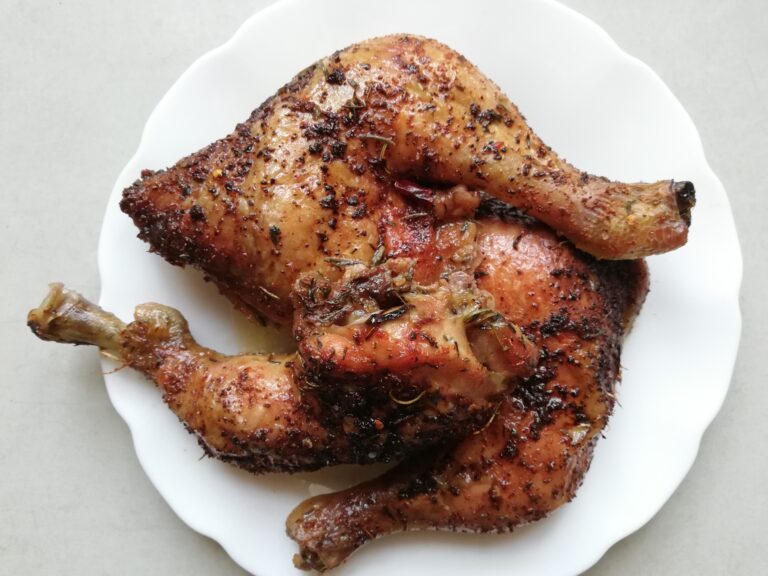
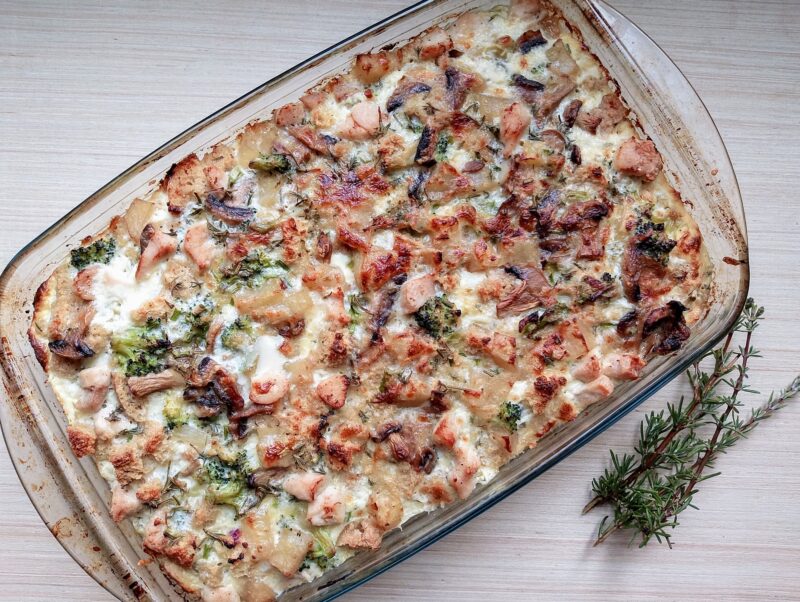
For example, if I have quite a bit of chicken left over from a roast chicken, I might use it to make fried rice the next day. For the most part, though, we use leftovers for lunch. Sometimes one child will be eating leftover baked oatmeal from the previous day’s breakfast while another is having sausage casserole left over from dinner. The annoying thing about leftovers is that there often isn’t enough of one dish to divide between everyone!
There are also lots of creative ways to use leftovers in other dishes. Leftover cooked vegetables are easy to add to omelets and stratas. Leftover chicken can go into wraps and sandwiches, and leftover liver can be turned into pâté.
The main benefit of using up leftovers, besides avoiding waste, is that it helps you stretch your meals so you don’t have to cook again. One meal can become the starting point for another, or provide an easy lunch the next day.
Don’t Let Leftovers Take Over Your Freezer
I don’t usually recommend freezing leftovers. Small portions of food can easily get lost in the depths of the freezer until I no longer remember what they are supposed to be! I prefer to use leftovers up as soon as possible, while they’re still easy to see and remember.
Learning to use leftovers intentionally is another simple way to make cooking from scratch every day much more manageable. You’re not constantly starting from scratch—you’re making the most of the food you’ve already cooked.
Create Rhythms to Make Your Work Easier
Instead of trying to decide what to cook every day, create a simple weekly rhythm. Simple is the key here. You don’t need a complicated schedule or a rigid meal plan. Just having a general routine for when you do certain tasks can make your everyday cooking much easier.
Batch Tasks on Specific Days
I usually bake all the bread for the week on the weekend, when I don’t do homeschooling. And, as I mentioned earlier, I only cook dinner every other day, so I usually prepare my staples like broth, yogurt, or cheese on the days when dinner is already ready.
Again, I make everything in large batches. It doesn’t take that much more time to make a gallon of broth than a quart of broth. The larger batch lasts much longer and saves me work later in the week.
Try doing your ingredient prep on certain days of the week so that your everyday cooking becomes more streamlined. It’s much less stressful and time-consuming to make dinner when the broth is ready, the meat is defrosted, the vegetables are prepped, and all you have to do is put a few ingredients together.
Prep Tomorrow’s Meals Today
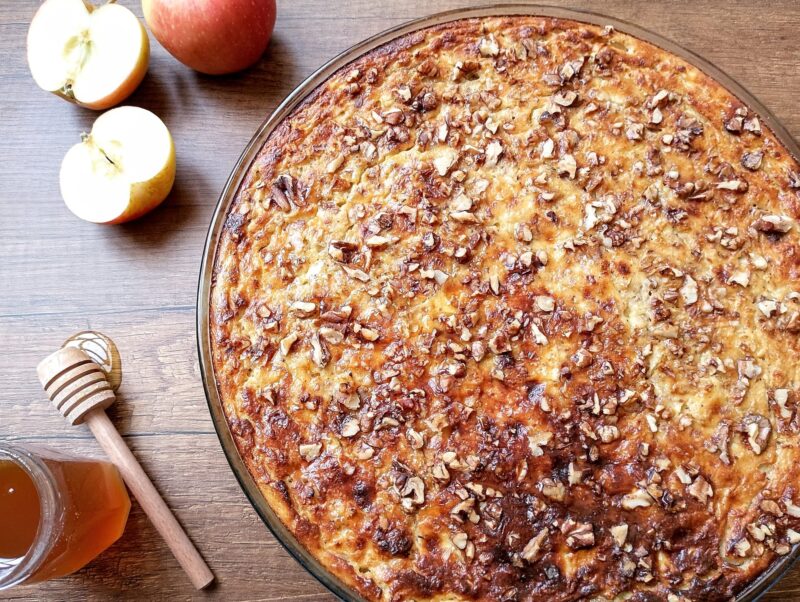
If you’re struggling with breakfast, remember that you can assemble many breakfast casseroles and baked oatmeal dishes the night before and refrigerated overnight. In the morning, all you have to do is pop them in the oven while you get everyone ready for the day.
Even a five-minute breakfast prep session right after dinner can save you a lot of stress the next morning.
The goal isn’t to create a perfect schedule that you have to follow every week. It’s to create simple routines that take the decision-making out of everyday cooking. Once you know when you usually bake bread, make broth, prep ingredients, or get breakfast ready, cooking from scratch every day becomes much more automatic—and much less overwhelming.
Don’t Try to Eliminate the Work
The goal of the systems and routines I use to cook from scratch every day is not to eliminate the work. It is to make it manageable and more joyful.
I do love cooking, but I love other things too. And I still want to have time to homeschool my kids, talk to my husband, or simply sit down with a cup of tea and a book for a few minutes.
Try some of the tips I’ve shared in this post! I hope that they help you become a more efficient and happier homemaker. If you are new to cooking from scratch, don’t try to implement everything at once! Cooking from scratch is a skill that takes years to develop, so start small and go steady.
Remember, 17 years ago I knew almost nothing about cooking. It took me many years to learn and master the skills of cooking, preserving, baking bread, and fermenting. From-scratch cooking has always been very important to our family. And the goal has always been to make homemade food the default option—not something we only do when we have extra time.
You don’t need to become an expert overnight. Pick one thing to learn, make it part of your routine, and then build from there. Little by little, it will all become second nature to you.
If you enjoyed this post and would like to learn more about real food cooking, I’d love to have you join my weekly newsletter. I send it every Sunday to real-food, from-scratch-cooking moms like you, with encouragement, practical ideas, and old-fashioned homemaking inspiration.
Subscribe and join me as we learn to make homemade, nourishing food the natural part of everyday family life.