How to Use Beef Tallow: 20 Traditional Uses for Cooking, Baking & Skincare
Beef tallow was once a staple in every kitchen—until cheap industrial seed oils took its place. It’s a frugal, nourishing, and incredibly versatile fat that I can’t imagine being without. It helps me stick to a tight grocery budget (it’s often cheaper than butter), makes the most incredible biscuits and rolls, and keeps my dry skin happy when I use it as a rich body butter.
If you’ve just rendered your first batch or picked up a jar at your local farmers market and are wondering how to use beef tallow, you’re in the right place. In this post, I’ll share my favorite ways to use tallow in the kitchen and around the home—from crispy roast potatoes and flaky pastries to nourishing homemade balms and salves.
Although this post focuses on how to use beef tallow, all of these ideas work just as well with tallow rendered from other ruminant animals, including lamb, mutton, goat, and venison. Whether you’re cooking, baking, deep-frying, making soap or candles, or creating natural skincare products, these types of tallow are rendered the same way as beef tallow and can usually be used interchangeably.
How Do You Use Beef Tallow?
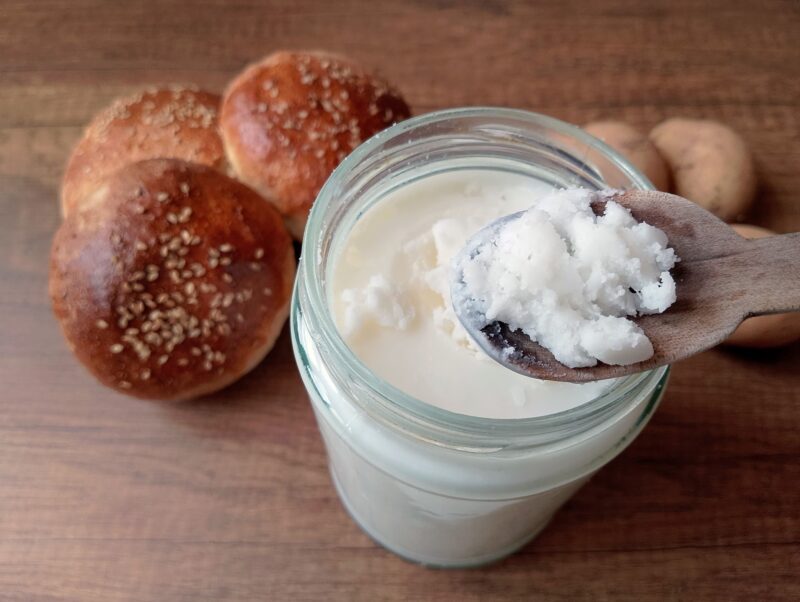
Beef tallow can be used in most recipes where you would normally use butter, lard, shortening, or cooking oil. It’s excellent for frying, roasting, sautéing, baking, seasoning cast iron, making candles, soap, and homemade skincare products like tallow balm and salve.
Why Beef Tallow Is Worth Keeping in Your Kitchen
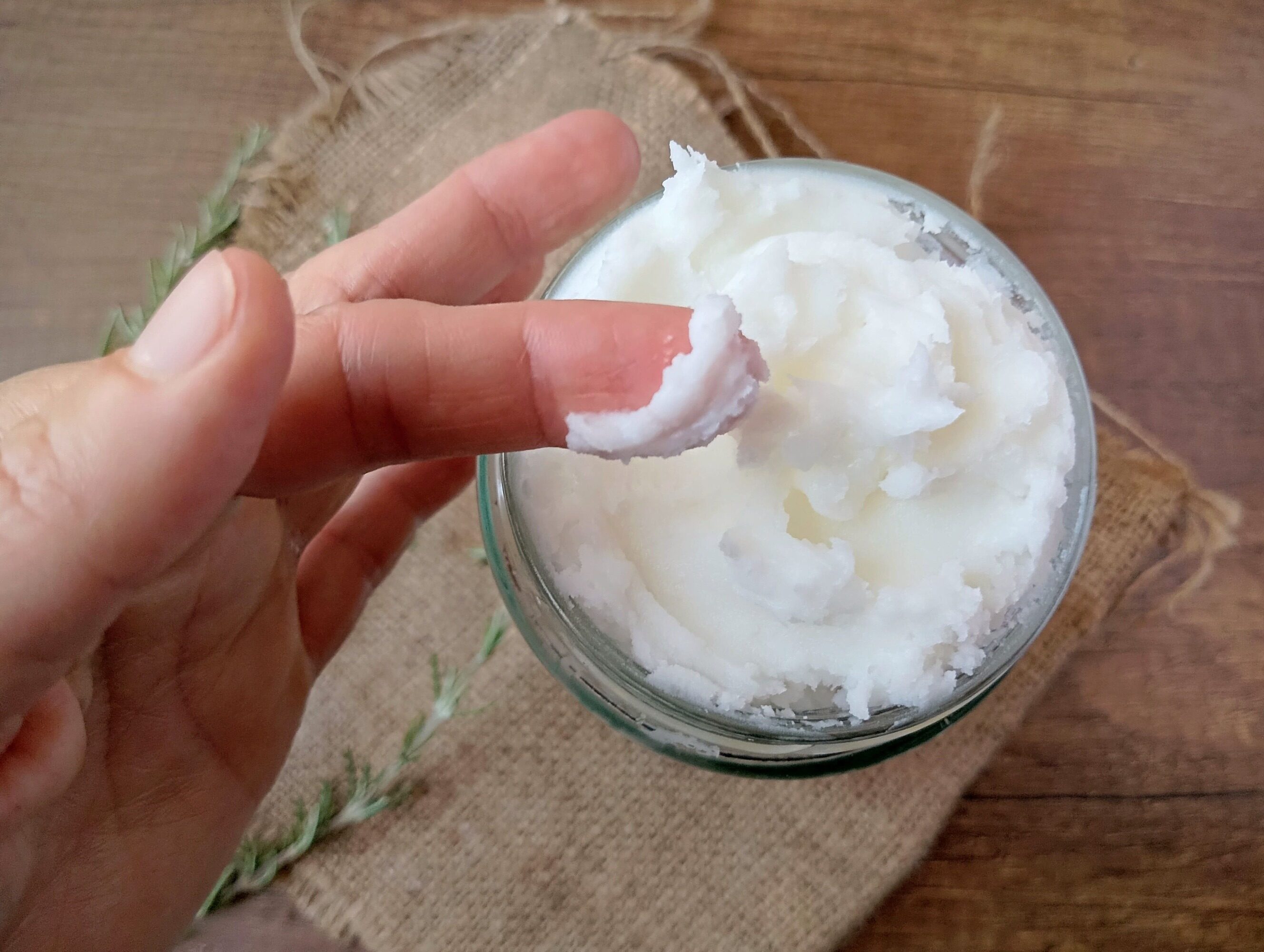
Beef tallow is one of the three fats I use most in my kitchen, alongside butter and coconut oil. I use it almost every day—for baking biscuits and buns, sautéing vegetables, roasting potatoes, and so much more. I also keep a jar of whipped tallow in my bathroom, where I use it as a rich body butter and nighttime moisturizer.
Here are a few of the reasons I think everyone should keep a jar of beef tallow on their counter:
- Rich in nourishing fats. Beef tallow is naturally high in saturated fat, making meals more satisfying and helping keep you feeling full for longer. It also contains modest amounts of the fat-soluble vitamins A, D, and E.
- High smoke point. Tallow is an excellent choice for high-heat cooking, such as searing steaks, browning ground beef, roasting vegetables, and frying.
- Rich, mild flavor. Properly rendered beef tallow has a pleasant savory flavor with subtle beefy notes that enhance food without overpowering it.
- Long shelf life. Thanks to its low moisture content, beef tallow keeps well. Stored in a cool, dark place in an airtight container, it can last for up to a year or even longer without refrigeration.
- Reduces kitchen waste. Rendering your own tallow is a great way to use more of the animal instead of letting valuable beef fat go to waste.
- Frugal and budget-friendly. Because relatively few people cook with beef tallow today, many butchers sell beef fat very cheaply—or even give it away. Rendering it at home is an easy way to create a nutritious cooking fat that’s often more affordable than butter.
14 Ways to Use Beef Tallow for Cooking
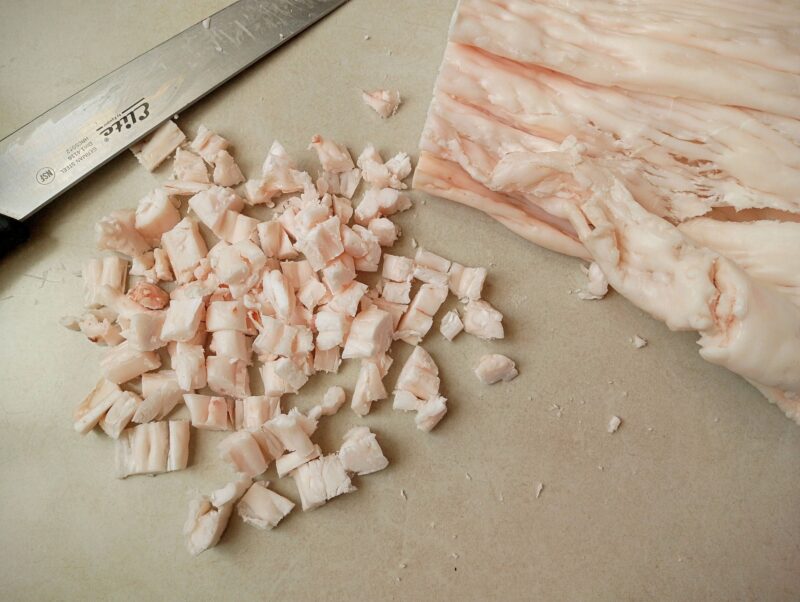
The kitchen is where I use beef tallow the most. It’s one of my favorite traditional cooking fats, and I reach for it almost every day. Below are 14 of my favorite ways to use beef tallow in the kitchen:
1. Roast Vegetables
Beef tallow is one of the best fats for roasting vegetables. Thanks to its high smoke point, it helps create vegetables that are crispy on the outside and tender in the middle.
The vegetables that roast especially well in tallow include potatoes, carrots, parsnips, pumpkin, and Brussels sprouts. Peel and chop them into evenly sized pieces, then toss with 1–2 tablespoons of melted beef tallow, along with salt, pepper, and your favorite herbs or spices.
Spread the vegetables in a single layer on a hot baking tray, making sure they aren’t overcrowded—otherwise they’ll steam instead of roast. Roast for 25–45 minutes, turning them halfway through, until they’re golden brown and crispy on the outside and soft and tender inside.
2. Fry Eggs
Frying eggs in beef tallow is one of the easiest ways to use this traditional cooking fat. It gives fried eggs irresistibly crispy edges and adds a rich, savory flavor. Simply melt a small amount of beef tallow in a hot skillet, then crack in your eggs and cook them as usual.
3. Sauté Vegetables
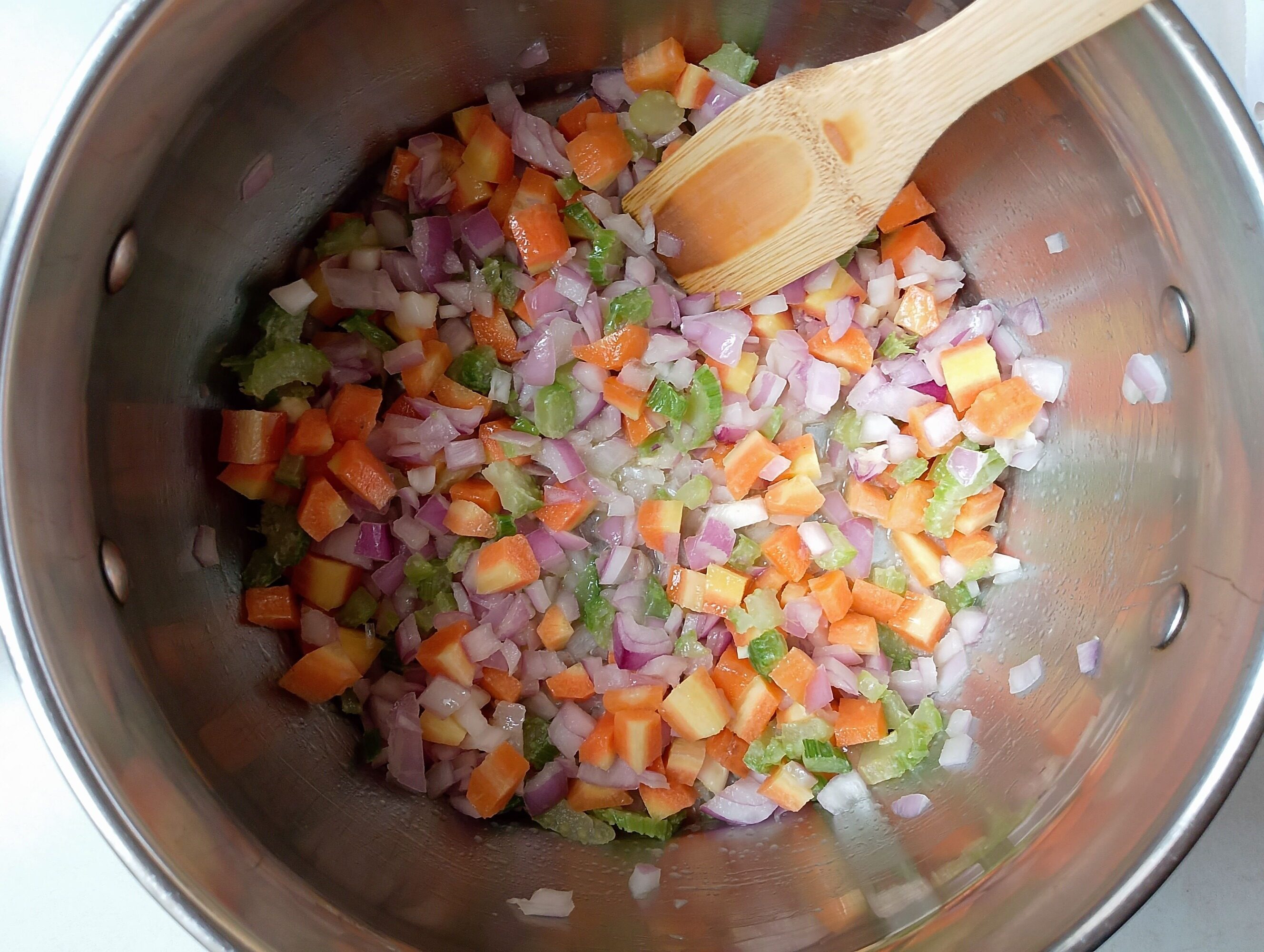
I often use beef tallow to sauté vegetables in almost every recipe, whether I’m making soups, stews, or stir-fries. It’s my go-to cooking fat for building flavor. I almost always start soups by sautéing onions, carrots, and celery in tallow, and it’s equally delicious for stir-frying cabbage, peppers, green beans, and other vegetables.
4. Pan Fry Steak
Beef tallow is one of the best fats for cooking steak thanks to its high smoke point. Unlike butter, it won’t burn as quickly over high heat, making it ideal for getting a perfect sear. It enhances the steak’s natural flavor, helps create a beautifully browned, crispy crust, and keeps the meat juicy as it cooks.
5. Brown Meat
I often brown chicken (and other poultry), beef, and lamb in beef tallow before adding them to stews, soups, casseroles, and meat pies, including my favorite cottage pie. I also like to brown lean ground beef and lamb in tallow, as it gives the meat a richer flavor.
For the best results, melt 1–2 tablespoons of beef tallow in a hot pan, add the meat in a single layer, and let it brown undisturbed before turning it over. This gives the meat a deep golden crust and develops plenty of rich flavor before it finishes cooking in the dish.
6. Make Crispy French Fries
Before restaurants switched to processed seed oils, beef tallow was the traditional fat for frying French fries. Its high smoke point makes it ideal for deep-frying. Fries cooked in tallow are wonderfully crispy on the outside and light and fluffy on the inside.
I also experimented with frying homemade potato chips in beef tallow, but I wasn’t as impressed with the results. Once they cooled, they left a greasy feeling in the mouth. In my experience, beef tallow is best for frying foods that are served and enjoyed hot.
7. Cook Fritters
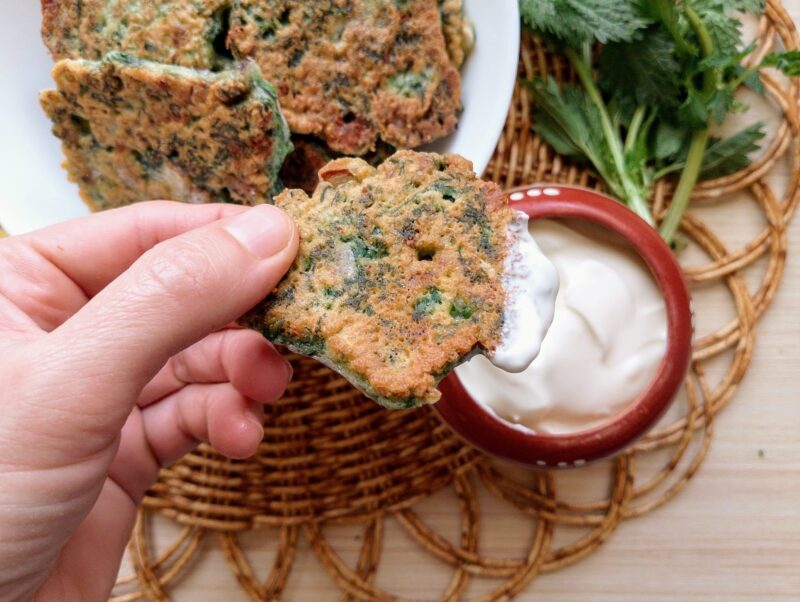
Beef tallow is an excellent fat for frying fritters. Its high smoke point helps them develop a crisp, golden-brown exterior while keeping the inside tender and fluffy. Use it for savory fritters such as potato, zucchini, corn, or my favorite nettle fritters.
8. Fry Chicken
Beef tallow is an excellent choice for high-heat frying. I use it to cook chicken cutlets, fried chicken, and schnitzel because it stays stable at high temperatures and produces a beautifully crisp, golden crust.
In fact, beef tallow and coconut oil are the only fats I use for high-heat cooking. They’re both naturally heat-stable, making them my go-to choices whenever I need to fry or sear food.
9. Season Cast Iron
Beef tallow is one of the best natural fats for seasoning cast iron. When heated, it polymerizes to form a durable, naturally non-stick coating that helps protect the pan and improve its cooking surface. A little goes a long wa. You only need a very thin layer of beef tallow to season a cast iron skillet.
10. Replace Shortening in Biscuits
I use beef tallow in almost every recipe that calls for shortening or vegetable shortening. It has never let me down. Since I don’t use shortening or vegetable oil in my kitchen, I simply substitute beef tallow for the shortening and melted coconut oil for the vegetable oil. It has worked beautifully every time.
Beef tallow makes especially good biscuits. It gives them a somewhat more neutral flavor than butter, but it creates a wonderfully tender, flaky texture. If you prefer a richer buttery taste, try using half beef tallow and half butter—the combination gives you the best of both worlds.
11. Replace Butter in Rolls, Buns, and Tortillas
Beef tallow can easily replace butter in rolls, buns, and other yeast breads, though it will give them a slightly different flavor and texture. It produces bread with a soft, tender crumb, but without the rich buttery flavor that butter provides.
For that reason, I mostly use beef tallow in savory breads such as dinner rolls, burger buns, sandwich buns, and homemade tortillas. (I always use it in my tortilla recipe, even though it originally called for butter.)
As a general rule, you can substitute beef tallow for butter in a 1:1 ratio by weight.

12. Use It to Grease Bread Pans
I use beef tallow to grease my bread pans, and it works beautifully. I bake in glass loaf pans, and the loaves release easily every time. It works just as well with metal pans too.
Simply rub a thin, even layer of softened or melted beef tallow over the inside of the pan before adding the dough. I also use it to grease pans for savory pies, bread puddings, and other baked dishes.
13. Bake Savory Pastries
Tallow works great for savory pastries, creating a flaky, tender crust with a rich, savory flavor. It works especially well in meat pies, pasties, sausage rolls, empanadas, and quiches. You can use it as a 1:1 substitute for butter, lard, or shortening in most pastry recipes. Or you can use half butter and half tallow to get the buttery flavor of butter with the tenderness and stability of tallow.
14. Cook Breakfast Hash
I love making hash for a frugal, protein-rich breakfast or lunch. It’s also one of my favorite ways to use up leftover potatoes, onions, and cooked meat from dinner.
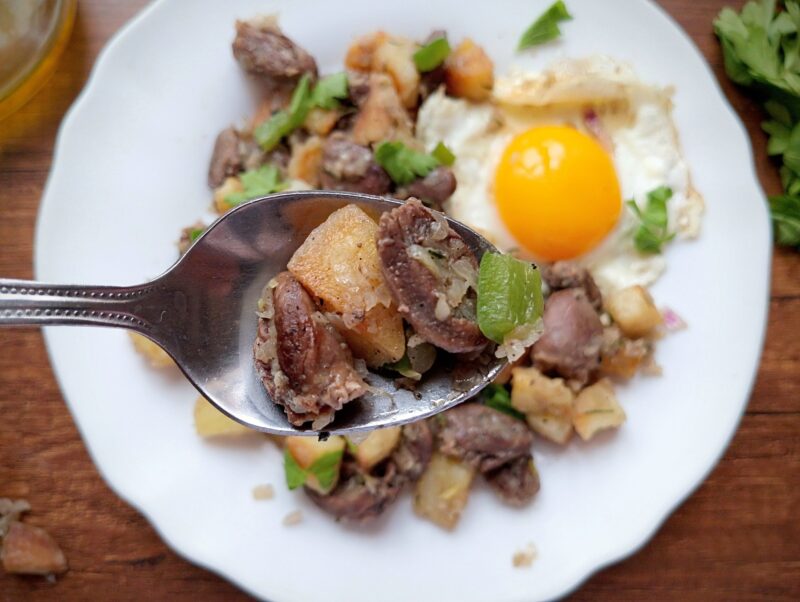
Beef tallow is the perfect fat for cooking hash because it browns the potatoes beautifully while adding a rich, savory flavor to the whole dish. Try it in my chicken hearts hash recipe for a nutrient-dense, satisfying breakfast that will keep you full for hours.
6 Ways to Use Beef Tallow for Skincare & Around the Home
While I primarily use beef tallow in the kitchen, it’s also incredibly useful around the home. Thanks to its rich, nourishing properties, beef tallow has been used for generations in natural skincare, where it helps moisturize and soften dry skin. I also love using it in homemade soap because it creates hard, long-lasting bars with a lovely creamy lather.
Here are my six favorite ways to use beef tallow for skincare and around the home:
1. Make Tallow Balm
Beef tallow is deeply moisturizing, making it especially beneficial for dry, rough, or weather-damaged skin. It contains fatty acids that are similar to those found in the skin’s natural protective barrier, helping to reduce moisture loss and leave skin feeling soft and supple.
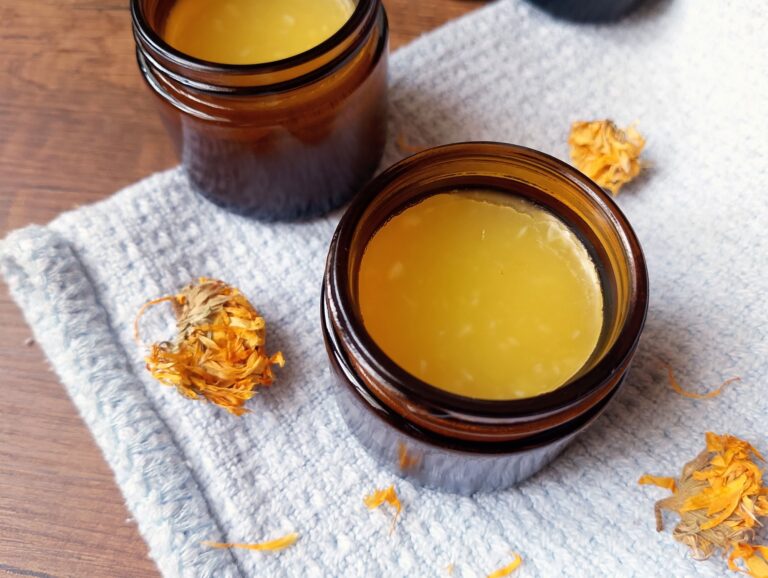
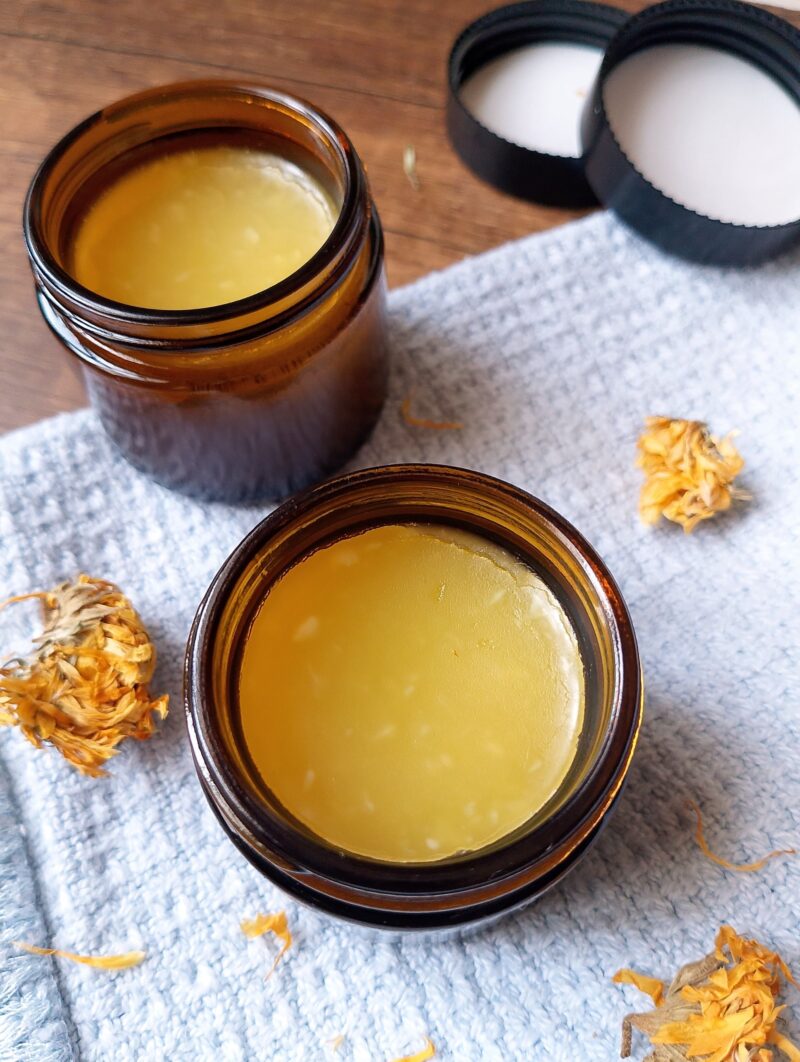
You can make a simple balm using plain beef tallow. Or you can infuse the tallow first with skin-loving herbs such as calendula, chamomile, or plantain to add their soothing properties. It’s an easy way to create a rich, nourishing balm with just a few natural ingredients.
2. Whipped Face Moisturizer
Beef tallow is a rich, deeply nourishing moisturizer, making it especially well suited to dry or mature skin. If you have oily or combination skin, you may find that a little goes a long way, so start with a very small amount and see how your skin responds.
3. Lip Balm
Beef tallow is an excellent ingredient for homemade lip balm. It deeply moisturizes and helps protect the delicate skin on your lips from drying out. For the best texture, combine it with beeswax to add firmness and a little jojoba or sweet almond oil for extra nourishment and a smoother glide.
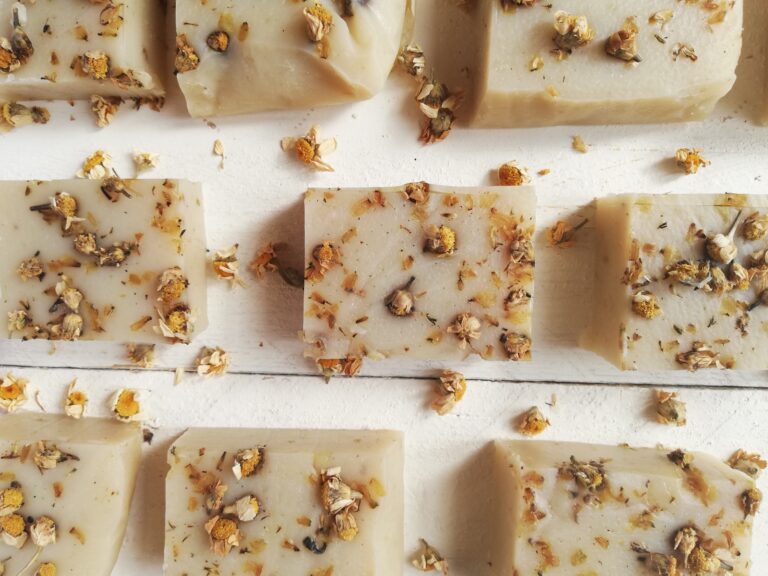
4. Homemade Soap
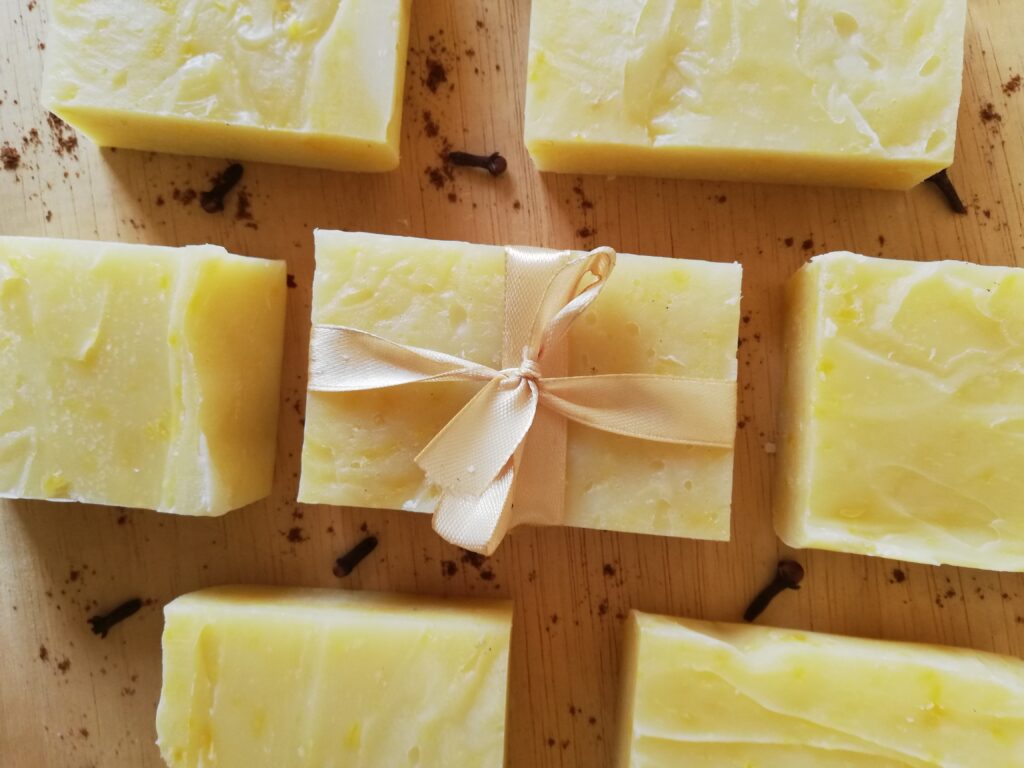
Beef tallow is one of the best fats for both cold process and hot process soap making. It produces hard, long-lasting bars with a rich, creamy lather. Most soap recipes combine beef tallow with other fats and oils—such as coconut oil, olive oil, and castor oil—to create a bar that is both cleansing and conditioning.
You can also make 100% beef tallow soap. It produces an exceptionally hard, long-lasting bar, although the lather is creamier and less bubbly than many people prefer.
Beef tallow also makes an excellent traditional laundry soap, creating hard bars with outstanding cleaning power.
5. Healing Hand or Foot Salve
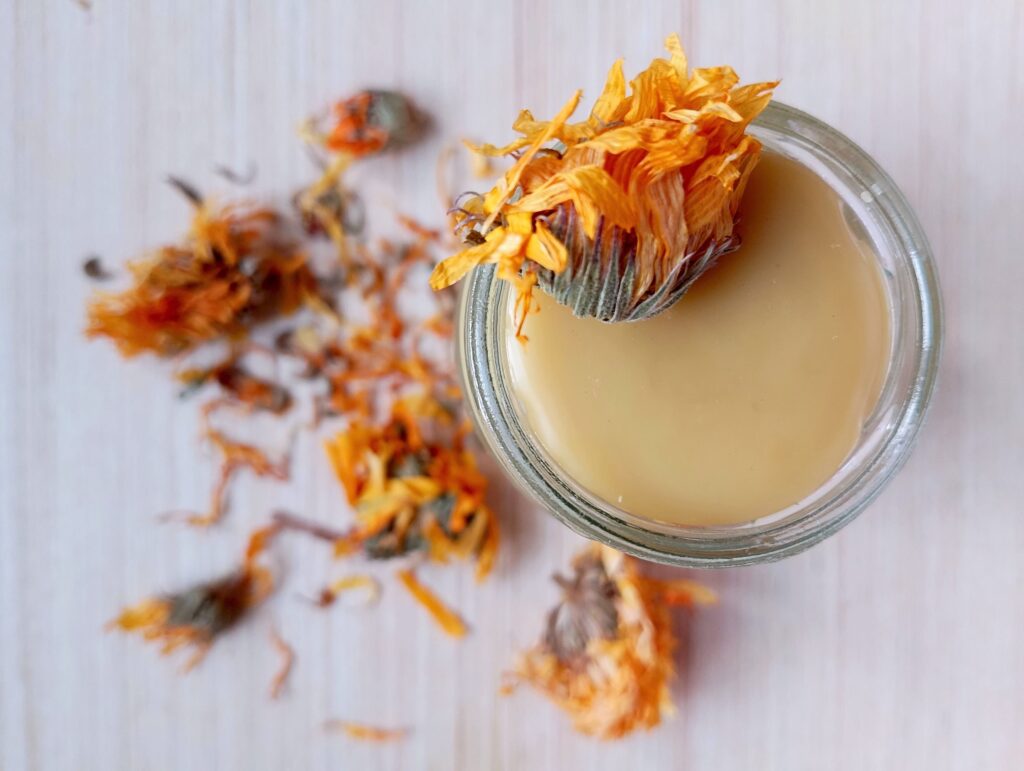
Beef tallow is an excellent ingredient for homemade hand salves because it deeply moisturizes and helps protect dry, rough, or cracked hands. It forms a protective barrier that helps reduce moisture loss. This makes it especially useful for gardeners, homemakers, or anyone whose hands are frequently exposed to water or harsh conditions.
I also love using beef tallow on my dry, cracked feet during the summer. Before bed, I massage a generous layer into my heels, then pull on a pair of cotton socks overnight. By morning, my feet feel noticeably softer, and with regular use it really helps keep rough heels and cracked skin under control.
6. Candles
Beef tallow has been used to make candles for centuries. On its own, it produces candles that are softer than beeswax candles and may have a mild natural scent. For the best results, many candle makers combine beef tallow with beeswax to create firmer candles that burn longer and more cleanly.
While any type of beef tallow can be used for candle making, tallow rendered from beef suet—especially kidney suet—is generally considered the best choice. It produces firmer candles with a cleaner burn and less odor than tallow rendered from ordinary beef fat.
To make a simple tallow candle, you’ll need properly rendered beef tallow, a cotton candle wick, and a heat-safe container or mold. Small canning jars work especially well for beginner candle makers.
Frequently Asked Questions
Tips for Cooking with Beef Tallow
If you’ve never cooked with beef tallow before, don’t worry—it’s incredibly easy to use. Here are my top tips for getting the best results with this wonderful traditional cooking fat:
- Start small. If you’re unsure whether you’ll enjoy the flavor, begin by using beef tallow in recipes that only call for a tablespoon or two. Try it for sautéing onions and celery for soup or stir-frying vegetables. Properly rendered beef tallow has a mild flavor, so in small amounts it’s barely noticeable. It simply adds a subtle richness to the dish.
- Keep a jar within easy reach. Store a small jar of beef tallow on your kitchen counter so it’s always handy when you’re cooking. Always use a clean spoon to scoop it out. Keep the rest of your tallow in a cool, dark pantry or cupboard to maximize its shelf life.
- Pair it with savory foods. Beef tallow has a rich, savory flavor that shines in dishes like roasted vegetables, fried potatoes, soups, stews, and breads. It’s generally not the best choice for sweet recipes or delicate desserts.
- Ease into baking. If you’re new to baking with beef tallow, try replacing only half of the butter at first. I often use half butter and half tallow in my biscuits and burger buns. The butter provides its familiar flavor while the tallow creates an exceptionally tender texture.
Conclusion
Once you start cooking with beef tallow and using it around the home, you’ll probably be surprised by how often you reach for it. From sautéing vegetables and browning meat to making homemade skincare, I find myself using beef tallow many times throughout the day. It’s nourishing, incredibly versatile, as well as frugal—which is especially valuable when you’re feeding your family real food on a tight budget.
If you’ve never cooked with beef tallow before, try it in my sourdough burger buns recipe. It creates soft, tender buns with a wonderfully light crumb.
And if you love traditional cooking and homemaking as much as I do, I’d love to have you join my weekly newsletter. Every Sunday, I share seasonal recipes, practical tips, and plenty of inspiration to help you build a more capable, intentional home.