Homemade Calendula Balm (Gentle Herbal Salve for Dry Skin & Babies)
Calendula balm was one of the very first homemade skincare products I ever made, and after many years, it still remains the one I make and use most often. It’s incredibly simple to make and super versatile. I know that taking the time to infuse the oil and turn it into a calendula balm with beeswax is well worth the effort because we use it constantly—for nettle stings, insect bites, dry, cracked feet during our hot, dry summers, and even diaper rash.
If you’ve never made DIY skincare before, calendula balm is the perfect place to start, especially if you have young children. Once you have a jar on hand, you’ll likely find yourself reaching for it again and again. In this post, I’ll show you how to make calendula balm in a few simple steps, along with my favorite ways to use it, plus tips for storing it so it lasts for months.
What Is Calendula Balm?
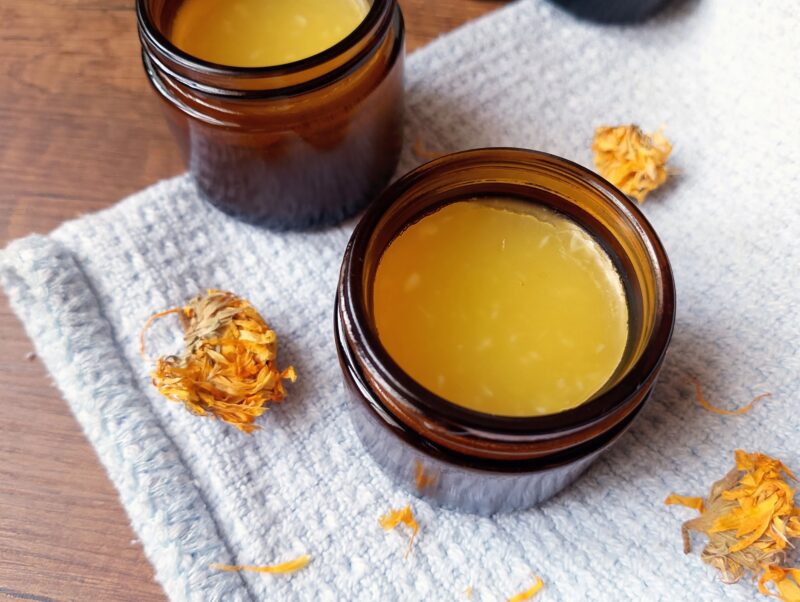
Calendula balm (sometimes called calendula salve) is a simple, water-free skincare product made by combining calendula-infused oil (I use olive oil in my recipe) with beeswax or another natural wax. The result is a rich, semi-solid balm that’s easy to apply and deeply nourishing, helping to soothe, protect, and moisturize the skin.
Benefits of Calendula Balm
- Deeply moisturizes dry skin by nourishing the skin and helping prevent moisture loss.
- Soothes minor skin irritation, making it a popular choice for dry, rough, or sensitive skin. It also works great to soothe insect bites and nettle stings.
- Made with natural ingredients, making it a great alternative to synthetic skincare products.
- Frugal to make with easy to find ingredients
- Good for the whole family, including the baby when made without the essential oil
- Multi-purpose and versatile, serving as a hand balm, lip balm, foot balm, cuticle balm, diaper rash balm, and all-purpose moisturizer.
- Simple to make even for beginners and keeps well at room temp for 12 months or more.
Ingredients
Note: This recipe uses prepared calendula-infused oil. See my tutorial for how to make calendula-infused oil here.
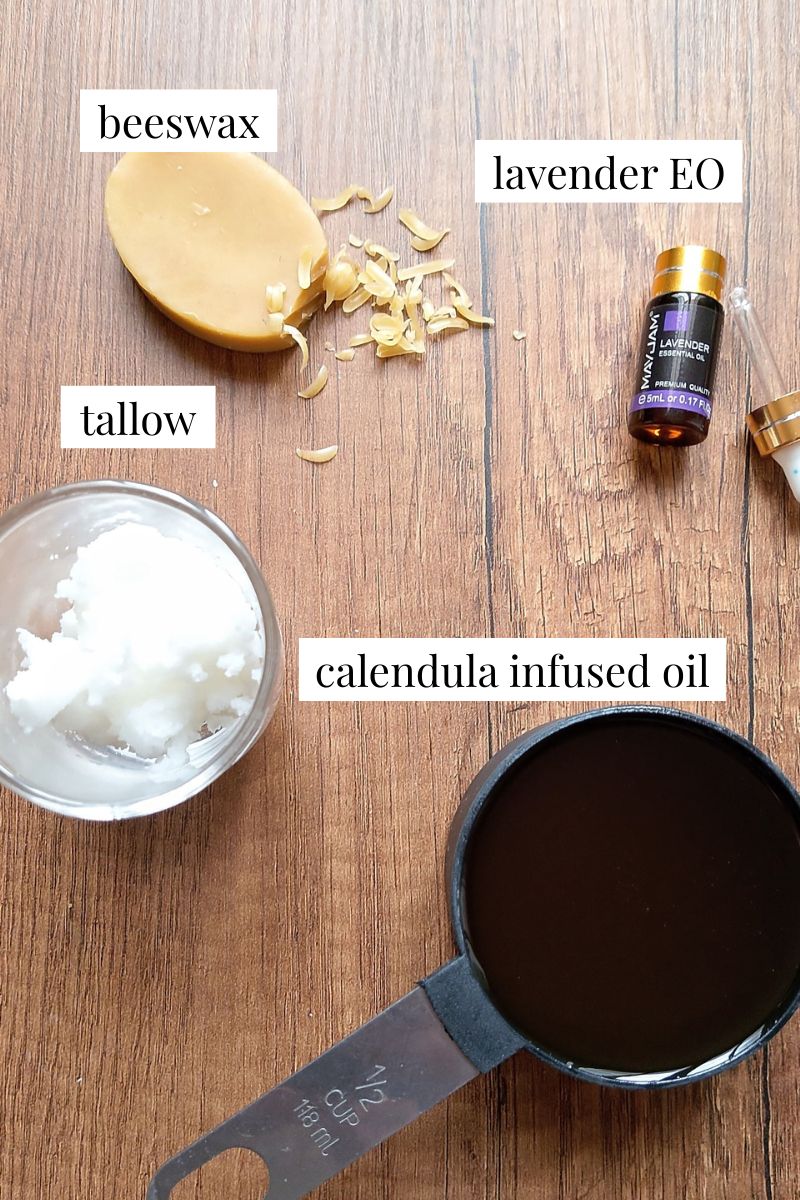
- Calendula infused oil: I infused dried calendula flowers in olive oil for this recipe, but you can also use sweet almond oil or jojoba oil. Making your own calendula-infused oil at home is surprisingly simple—check out my step-by-step tutorial.
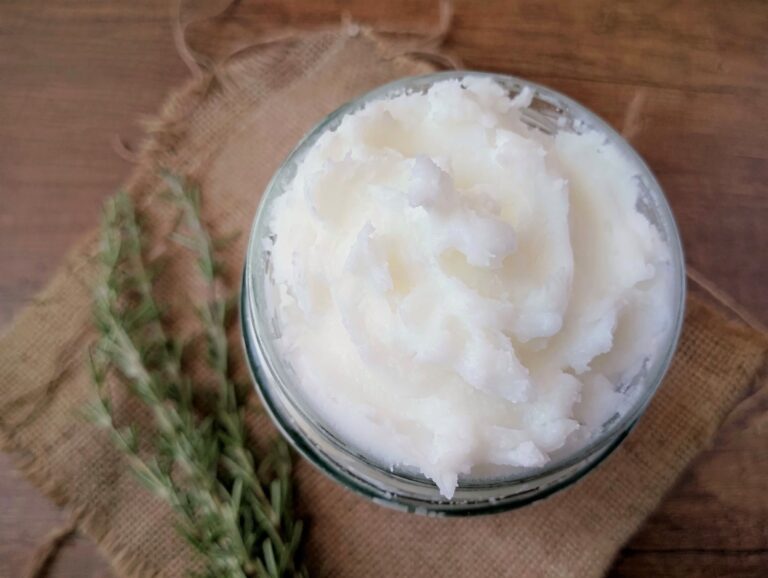
- Beef tallow: Adds richness and extra nourishment to the balm, making it especially soothing for dry skin. If you’ve never rendered your own tallow before, you can learn how in my step-by-step guide.
- Beeswax: Gives the calendula balm its firm, spreadable texture. It also forms a protective barrier on the skin, helping to lock in moisture and keep skin soft for longer.
- Lavender essential oil: Adds a light, calming scent. Leave it out if you’re making this calendula balm for a newborn or if you prefer an unscented balm.
Tools You’ll Need
- Small glass jar: Use a heatproof glass jar to melt the ingredients.
- Improvised double boiler (bain-marie): Place a folded tea towel in the bottom of a small saucepan and fill it halfway with water. Set the jar containing the tallow and beeswax on top of the towel, then gently heat the water until the ingredients have melted.
- Amber glass jars or metal tins: Use small jars or tins to store the finished calendula balm. Amber glass helps protect the balm from light, which can help extend its shelf life.
How to Make Calendula Balm
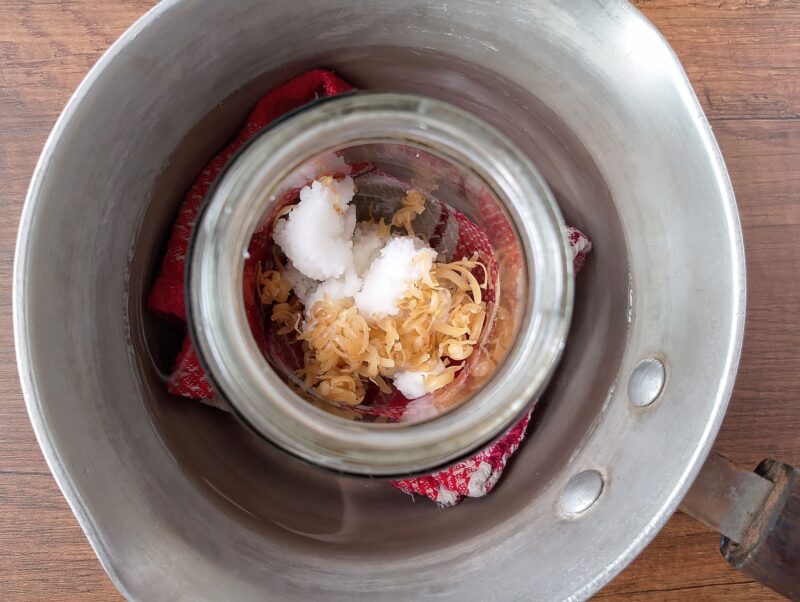
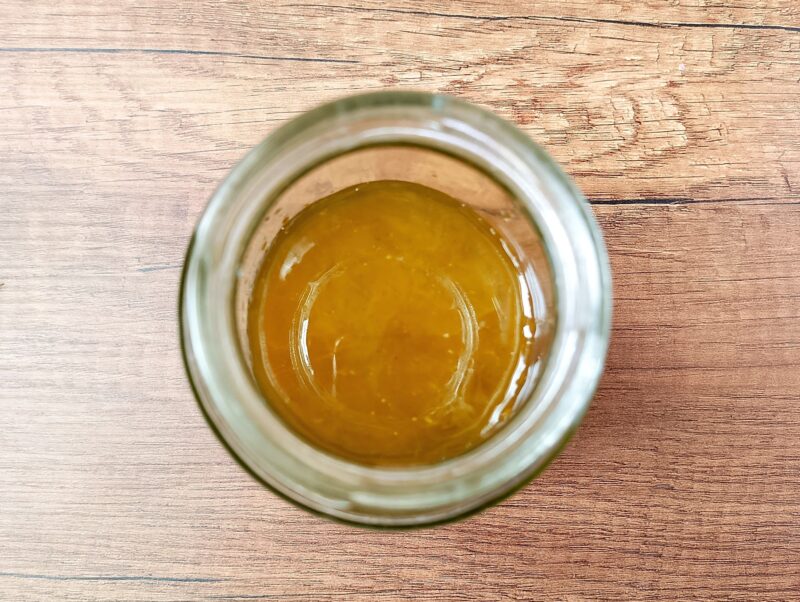
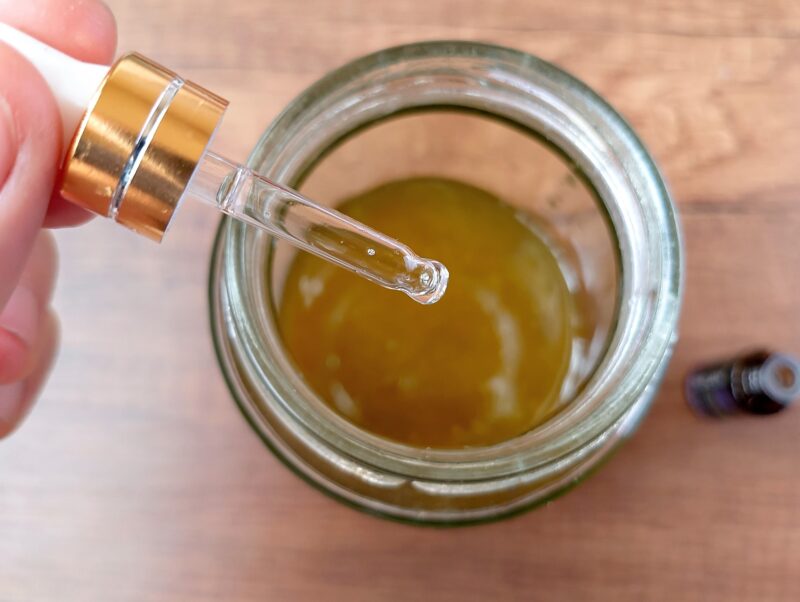
Step 3: Let the mixture cool for 1–2 minutes, until it’s no longer very hot, then stir in the lavender essential oil (if using).
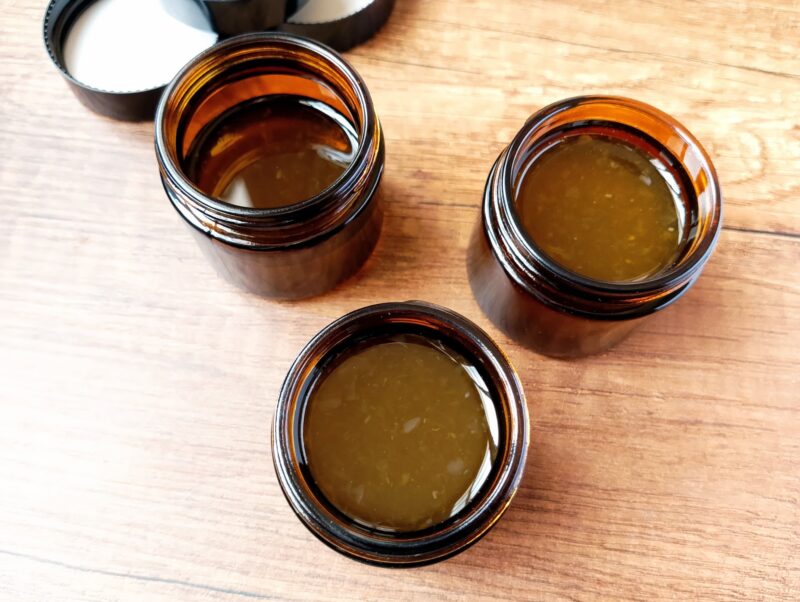
Step 4: Pour the mixture into a clean, dry glass jar or metal tin and let the calendula balm cool and firm up completely at room temperature before sealing with a lid.
Tips For The Best Balm
- Use high-quality calendula flowers. They should be fully dried but still a vibrant orange, not faded or brown.
- Start with good-quality oil. Cold-pressed olive oil, sweet almond oil, or jojoba oil all work well. For the most potent calendula-infused oil, pack the jar almost full of dried flowers, then pour in just enough oil to cover them.
- Adjust the beeswax to your preference. This recipe makes a medium-firm calendula balm. For a firmer balm, simply add a little more beeswax. To test the consistency, drip a small amount of the melted balm onto a cold spoon. Once it cools, you’ll know whether you’d like to add more beeswax or a little more oil.
- Pour the balm into its containers right away. Beeswax begins to set very quickly as it cools.
- Keep everything completely dry. Make sure your jars, utensils, and containers are free from moisture, as even a small amount of water can shorten the shelf life of your calendula balm.
- Store in a cool, dark place. Keep your balm away from heat and direct sunlight. Stored in a cool, dry place, it should last for 12–18 months.
How to Use Calendula Balm
Calendula balm combines the soothing properties of calendula flowers with the nourishing benefits of olive oil, tallow, and beeswax, making it one of the most versatile homemade skincare products you can have on hand. Here are some of my favorite ways to use calendula balm:
- As a moisturizer for dry skin: Calendula balm can be used from head to toe and is especially wonderful for dry or mature skin. Because it’s so rich, a little goes a long way. For the best results, apply it after a bath or shower while your skin is still slightly damp to help lock in moisture.
- To soothe hard-working hands: If you garden, cook, knit, wash lots of dishes, or work with your hands, applying a little calendula balm at the end of the day can be incredibly soothing. For an intensive overnight treatment, massage a pea-sized amount into your hands, then wear thin cotton gloves while you sleep to help the balm absorb more deeply.
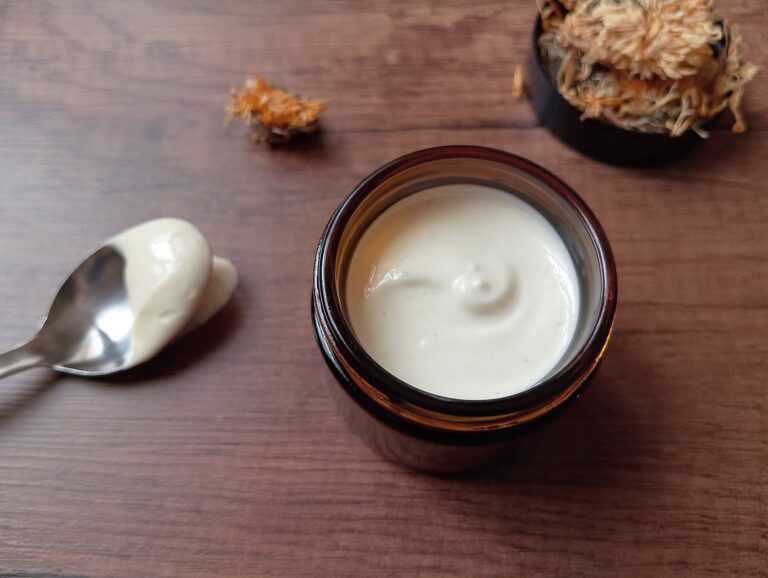
- As a baby balm: I loved using calendula balm as an everyday moisturizer for my babies. It helps keep delicate skin soft and protects it from chafing. Combined with regular diaper-free time, it also works wonderfully as a soothing balm for diaper rash. If you’re making calendula balm for babies, leave out the essential oils and keep it unscented.
- To soften rough skin: Calendula balm is especially helpful for dry elbows, knees, and feet. I get dry, cracked heels every summer from spending so much time barefoot. Before bed, I massage a generous amount of balm into my feet, then pull on a pair of thin cotton socks to help soften my skin overnight.
- As a lip balm: A tiny dab of calendula balm is perfect for soothing dry or chapped lips, especially during the colder months.
Can You Use Calendula Balm on Babies?
Unscented calendula balm is gentle enough for babies and makes a wonderful everyday moisturizer. It can also be used in place of baby oil and as a soothing balm for diaper rash. As with any new skincare product, it’s a good idea to patch test first, as even natural ingredients can occasionally cause a reaction.
Storage Tips
Store your calendula balm in an airtight container in a cool, dry place. Always use clean, dry fingers (or a small spatula) to scoop out the balm to help prevent contamination. Dark amber glass jars are ideal because they protect the balm from light, helping to preserve the quality of the oils for longer.
There’s no need to refrigerate your calendula balm unless you live in a very hot climate, where it may become too soft. When made with fresh, high-quality oils and stored properly, calendula balm should keep well for about 12 months.
Calendula Balm FAQ
Why I Love Calendula
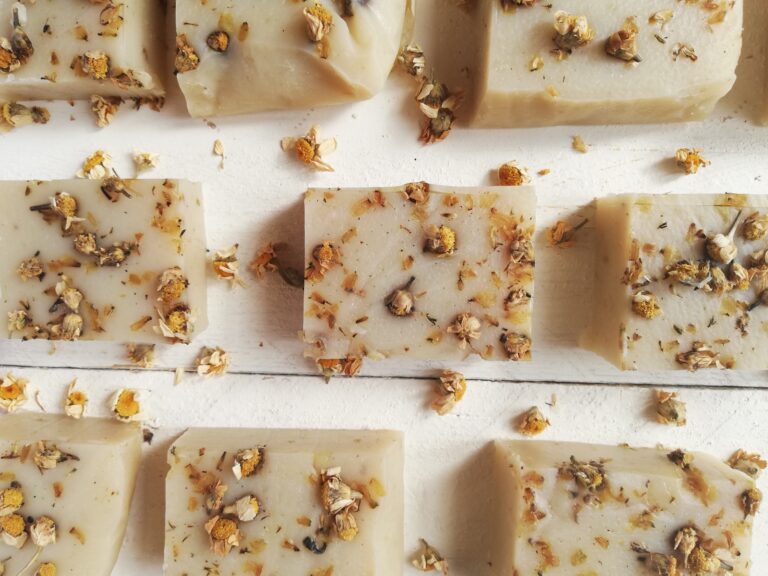
Calendula is, without a doubt, the herb I use most. It’s one of the gentlest and most versatile plants you can grow for homemade skincare. Once infused into oil, it can be turned into calendula balm, hand balms, lip balms, soaps, and herbal bath infusions. It’s also incredibly beautiful and easy to grow, so if you have even a small garden or a few containers, I highly recommend planting some.
If you enjoyed this recipe, be sure to try my calendula hand balm for an extra-rich overnight treatment for dry, hard-working hands.
And if you love herbal remedies, old-fashioned baking, and traditional cooking from scratch, subscribe to my weekly newsletter. Every Sunday, I share seasonal recipes, natural living tips, and simple homemaking inspiration for real food moms like you.
More Herbal Recipes You’ll Love
How to Make Calendula Infused Oil
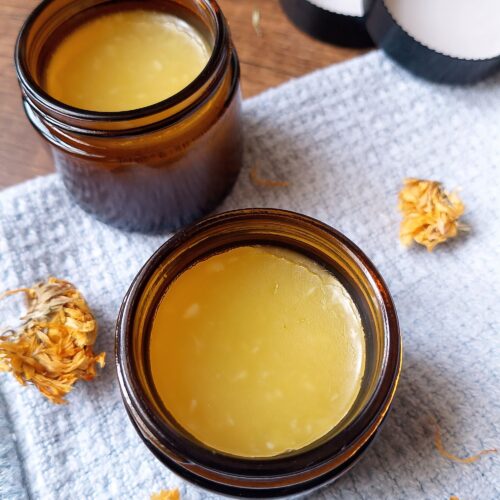
Calendula Balm
Equipment
- Heat-proof jar to melt the ingredients
- Small dark glass jar or tin for storing the balm
Ingredients
- ½ cup calendula infused olive oil
- 2 Tbsp tallow
- 1 Tbsp grated beeswax (packed) OR 1 Tbsp beeswax pastilles
- 3-5 drops lavender essential oil (optional)
Instructions
- In a double boiler, gently melt the tallow and beeswax together until fully melted. Remove from the heat and stir in the calendula-infused oil until smooth and well combined.
- Let the mixture cool for 1–2 minutes, then stir in the lavender essential oil, if using.
- Pour the mixture into a clean, dry glass jar or metal tin.
- Let the calendula balm cool and firm up completely at room temperature before sealing with a lid. Store in a cool, dry place.
Notes
- This recipe makes a medium-firm calendula balm. For a firmer balm, add a little more beeswax. For a softer balm, reduce the beeswax slightly or add a little more infused oil.
- Use fully dried calendula flowers when making the infused oil to prevent spoilage.
- Leave out the lavender essential oil if making the balm for babies or if you prefer an unscented balm.
- Store in a cool, dry place away from direct sunlight. There’s no need to refrigerate unless your home is very warm.
- When made with fresh, high-quality ingredients and stored properly, the balm should keep for about 12 months.