Tinted Calendula Tallow Lip Balm Recipe
This tallow lip balm recipe is a wonderful addition to your natural skincare collection. It combines the soothing properties of calendula-infused oil with the rich moisturizing benefits of tallow and beeswax to create a nourishing balm that protects dry lips and is perfect for everyday use.
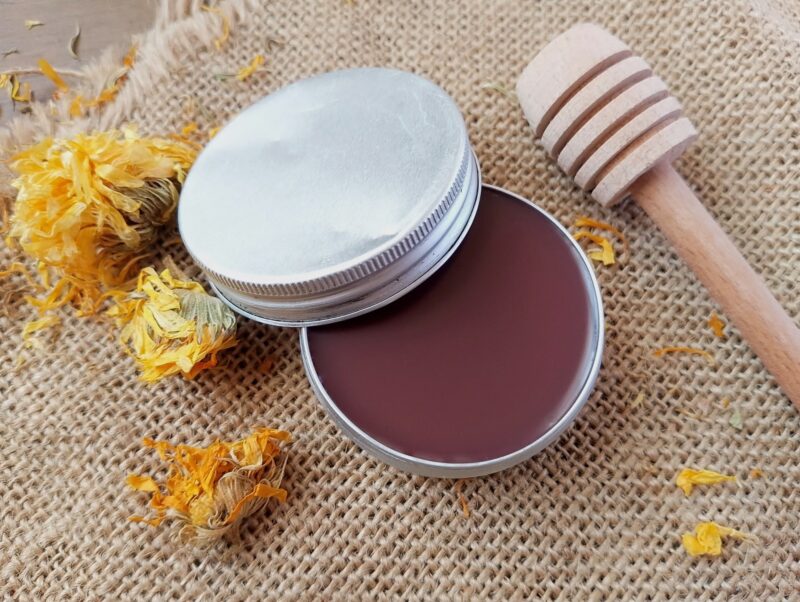
I like to add a little alkanet root powder to give the balm a soft, natural tint, but you can easily leave it out if you prefer an untinted lip balm. The only essential ingredients in this recipe are calendula oil (though plain olive oil works just fine), tallow, and beeswax.
If you’re looking for a natural alternative to petroleum-based lip balms, this homemade tallow lip balm recipe is simple, budget-friendly, and makes enough balm to last for several months.
Why You’ll Love This Tallow Lip Balm
- Only a few simple ingredients. Just three ingredients are essential, and they’re all easy to find.
- Deeply nourishing. Tallow and calendula-infused oil help moisturize and soothe dry, chapped lips.
- Quick and easy to make. The hands-on time is only a few minutes—the rest is simply waiting for the alkanet root to infuse (if using) and the ingredients to melt together.
- Perfect for gifting. Pour the balm into lip balm tubes or small tins for thoughtful handmade gifts.
Benefits of Tallow For Skin
I’ve been using tallow in my skincare for many years, ever since I learned how to render it as a young mom. I use it in homemade soap, body butter, salves, and, of course, this tallow lip balm recipe. It’s an incredibly versatile ingredient and one I always like to keep on hand.
Tallow is an excellent choice for lip balm because its fatty acid profile is similar to the skin’s natural oils. It helps moisturize dry lips while creating a long-lasting protective barrier that locks in moisture. Tallow also contains small amounts of fat-soluble vitamins, making it a really nourishing ingredient for homemade skincare.
If you have dry skin like I do, you’ll probably love tallow too. It’s deeply moisturizing without feeling harsh, and my skin always feels soft and comfortable after using it.
Ingredients
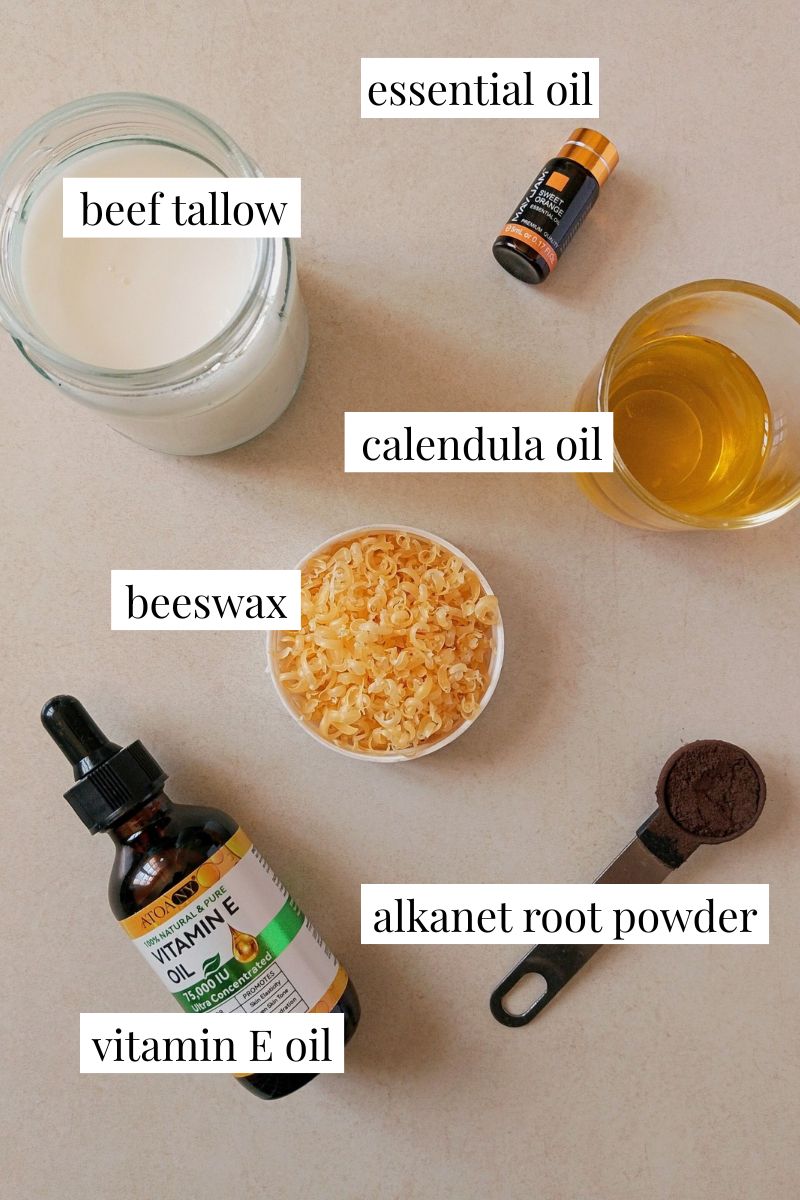
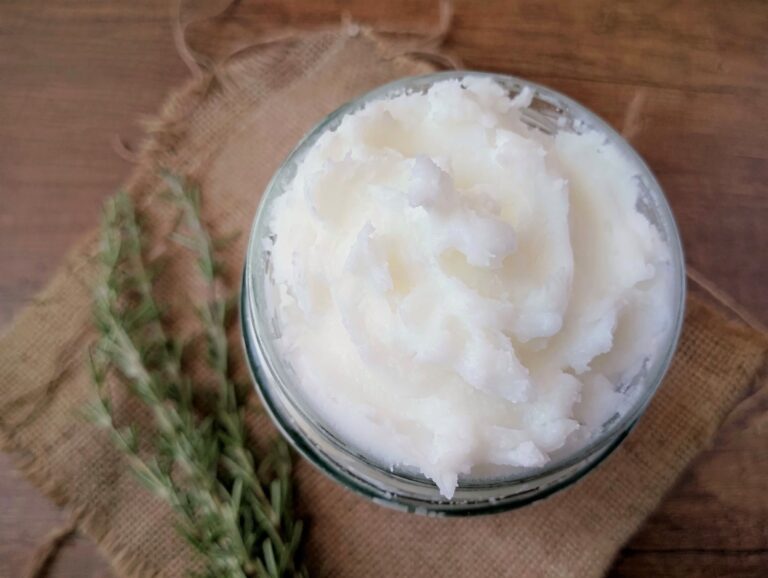
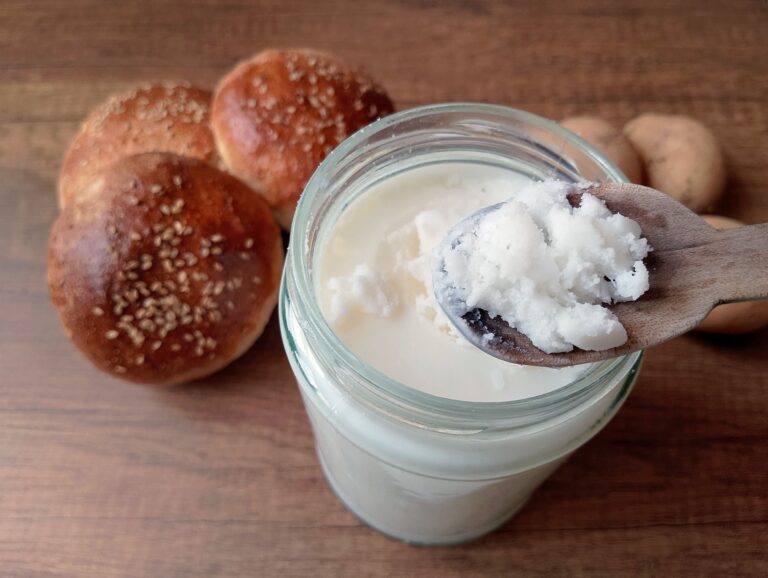
- Beef tallow: Acts as a rich moisturizer and helps support the skin’s natural barrier, protecting lips from drying out in harsh weather.
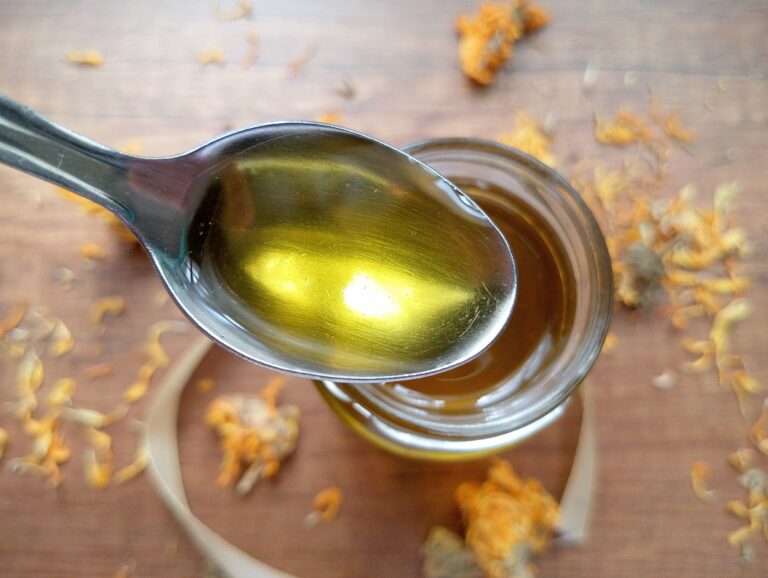
- Calendula-Infused Oil: Adds soothing, moisturizing properties to the balm. I use calendula-infused olive oil, but calendula-infused jojoba oil or sweet almond oil work just as well. If you’d like to make your own, be sure to check out my tutorial for making calendula-infused oil.
- Beeswax: Helps protect and moisturize the lips while giving the balm its firm texture. You can use either beeswax pellets or finely grated beeswax.
- Alkanet root powder: A natural, plant-based colorant that gives the balm a soft rosy tint. Feel free to leave it out if you prefer an untinted lip balm.
- Vitamin E oil: A natural antioxidant that helps extend the shelf life of your homemade lip balm. It’s optional but recommended.
- Essential oils: If you’d like a lightly scented balm, add 4–8 drops of sweet orange, lavender, or Roman chamomile essential oil. You can also leave the balm unscented if you prefer.
You can find the full list of ingredients with exact amounts in the recipe card below.
Equipment You’ll Need
- Digital kitchen scale: I measure all the ingredients in grams because it’s much more accurate than using cups and spoons, especially when working with small amounts of oils and beeswax.
- Double boiler: I use a small glass jar set in a saucepan lined with a folded tea towel and filled with a few inches of water. It’s a simple double boiler that works perfectly for infusing the alkanet root powder and gently melting the tallow and beeswax.
- Lip balm tubes or tins: This recipe makes enough to fill about 6–7 standard lip balm tubes or 1–2 small lip balm tins. I usually pour mine into a small metal tin.
How to Make Tallow Lip Balm
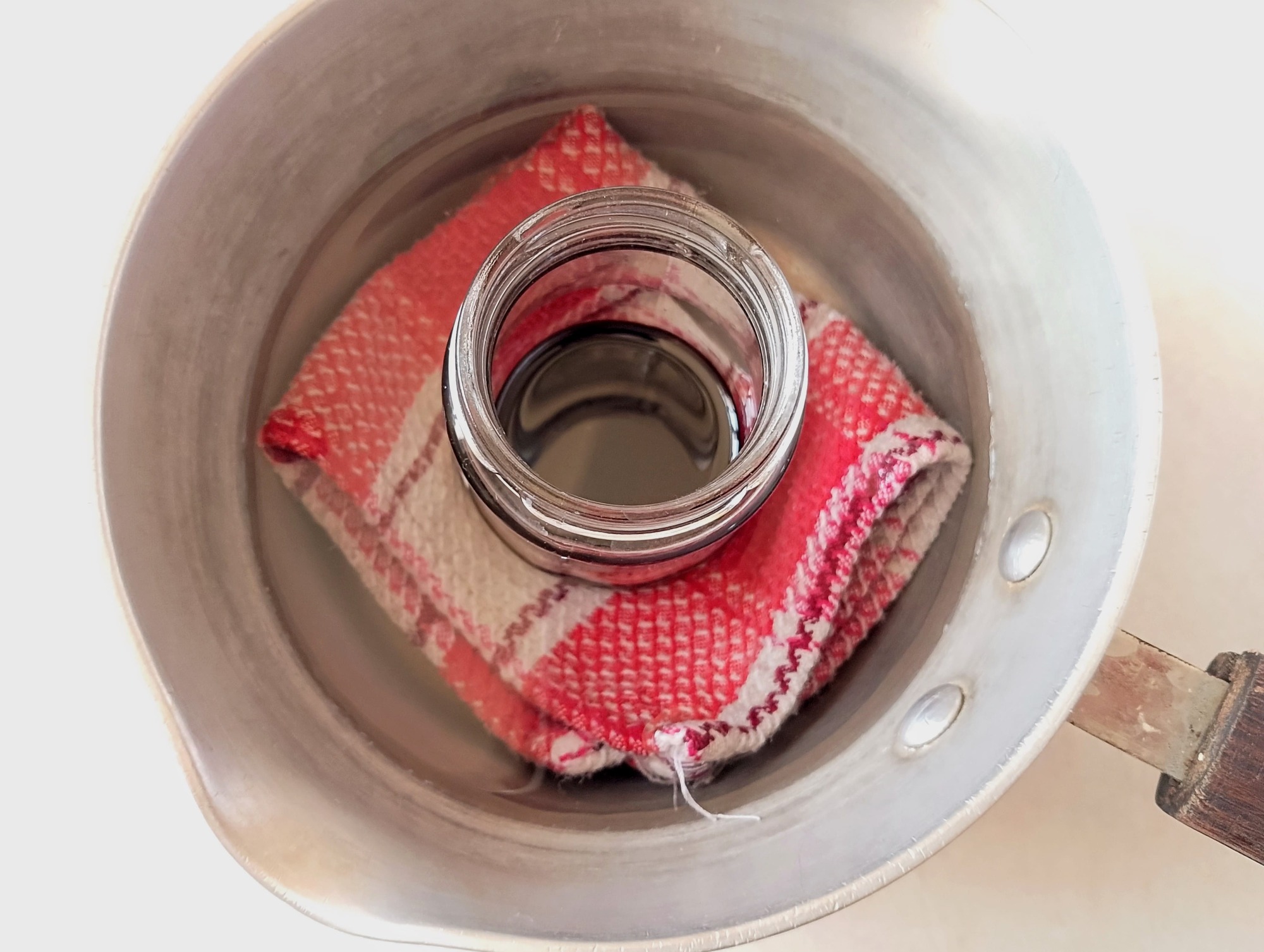
Step 1: Place the alkanet root powder and calendula-infused oil in a small glass jar. Set the jar in a small saucepan lined with a folded cotton napkin or tea towel, then fill the saucepan about halfway with water to create a simple double boiler.
Warm the oil gently over low heat for 30–60 minutes, stirring occasionally. The longer you let the alkanet infuse, the deeper and richer the color of your lip balm will be.
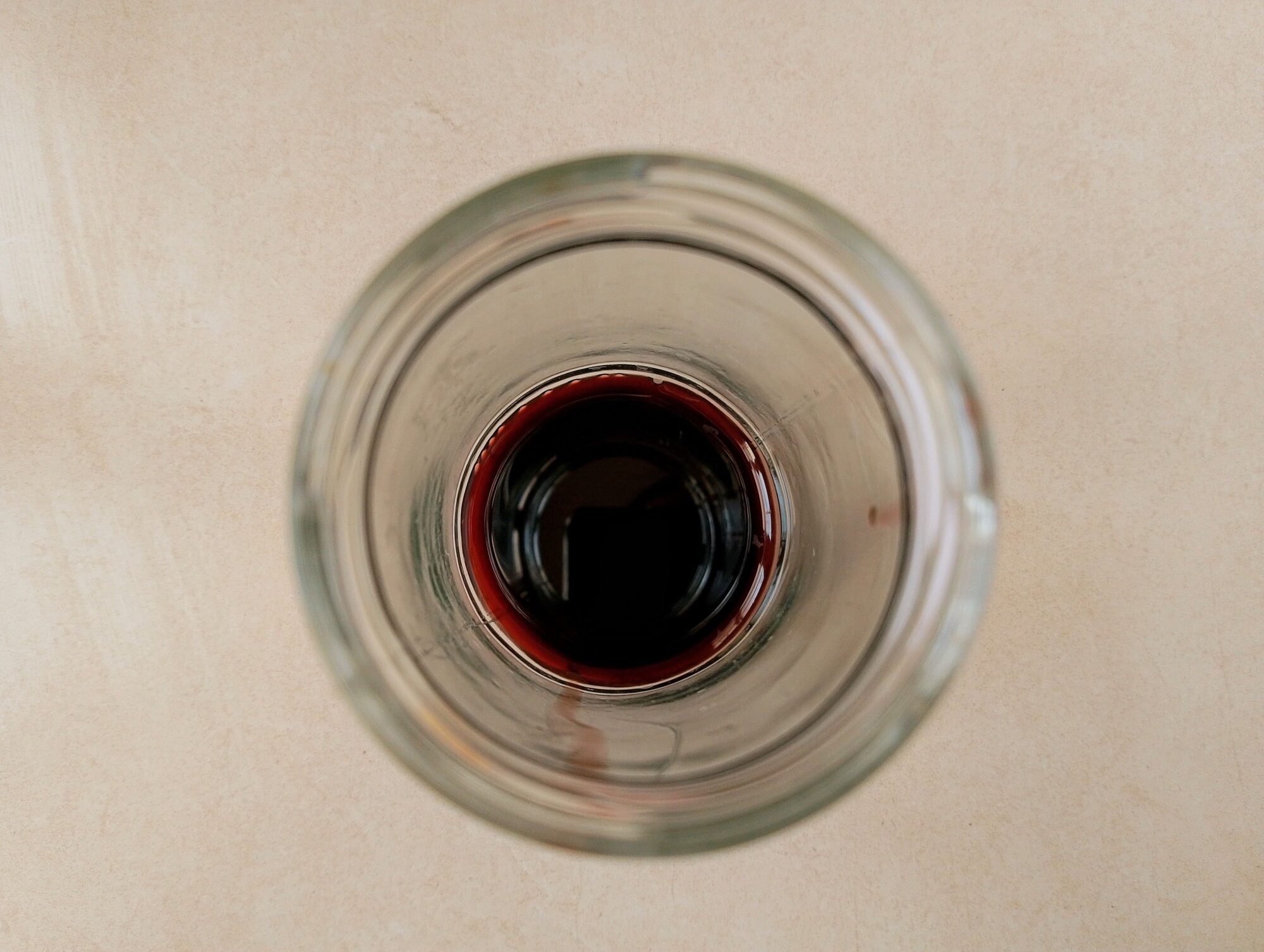
Step 2: Strain the infused oil through a coffee filter or several layers of cheesecloth to remove all of the alkanet root powder. You should be left with a beautiful ruby-colored oil.
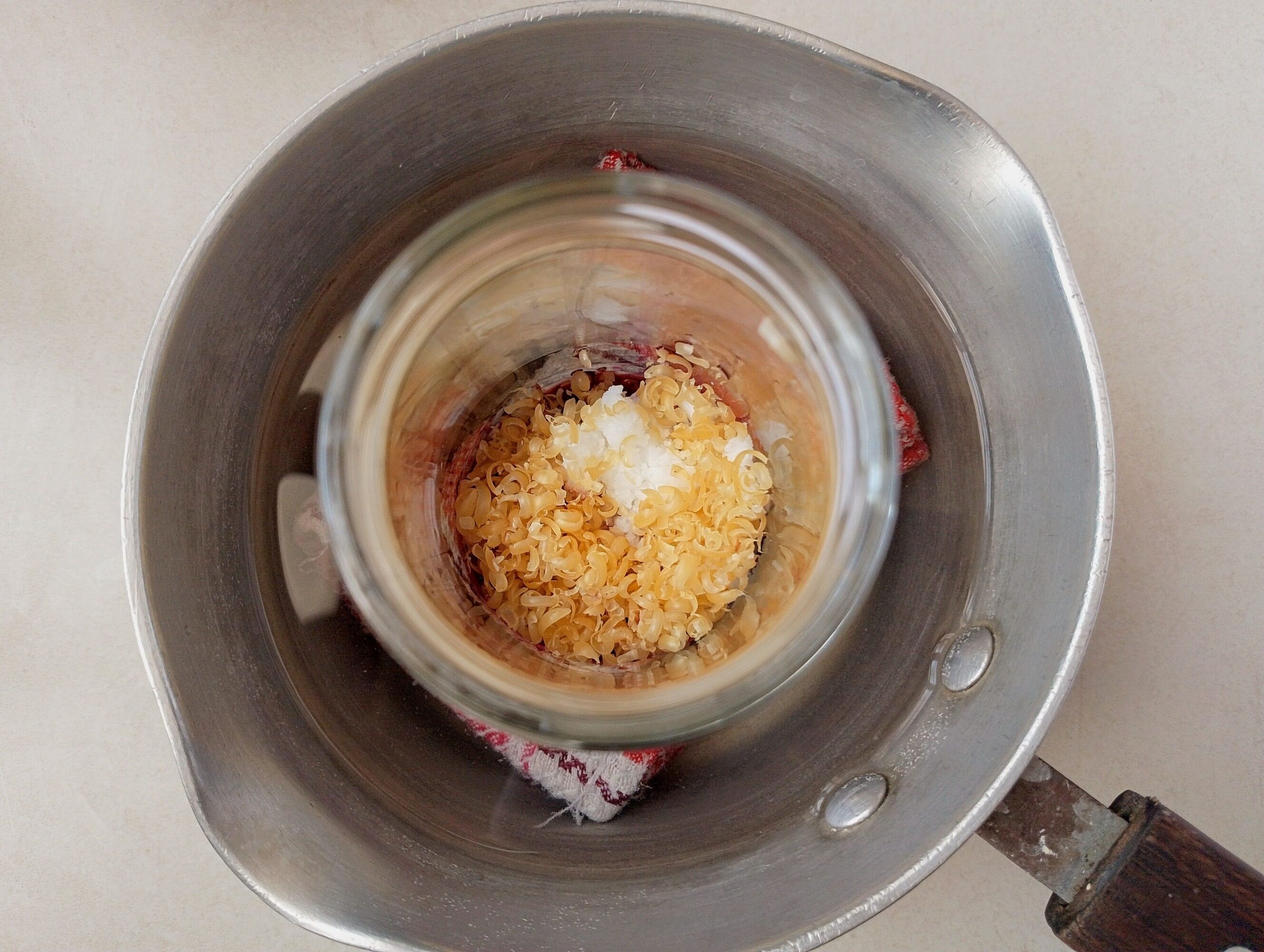
Step 3: Add the beeswax and tallow to the alkanet-infused oil in the jar, then return it to your homemade double boiler. Heat gently over very low heat until the beeswax and tallow have completely melted and the mixture is smooth and fully liquid.
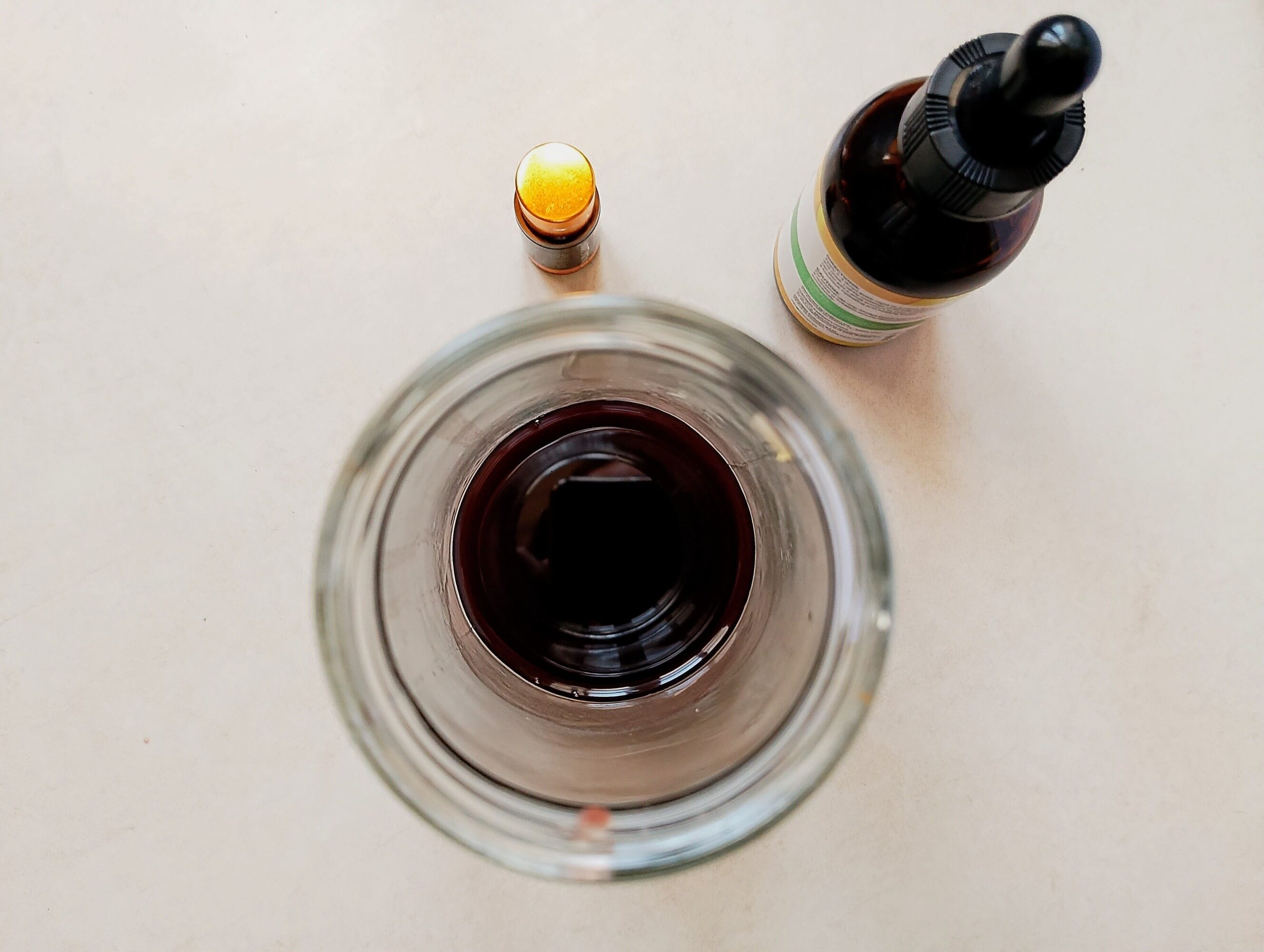
Step 4: Remove the jar from the heat and stir in the vitamin E oil and essential oil, if using. I like to use a few drops of sweet orange essential oil, but lavender or Roman chamomile are lovely choices too.
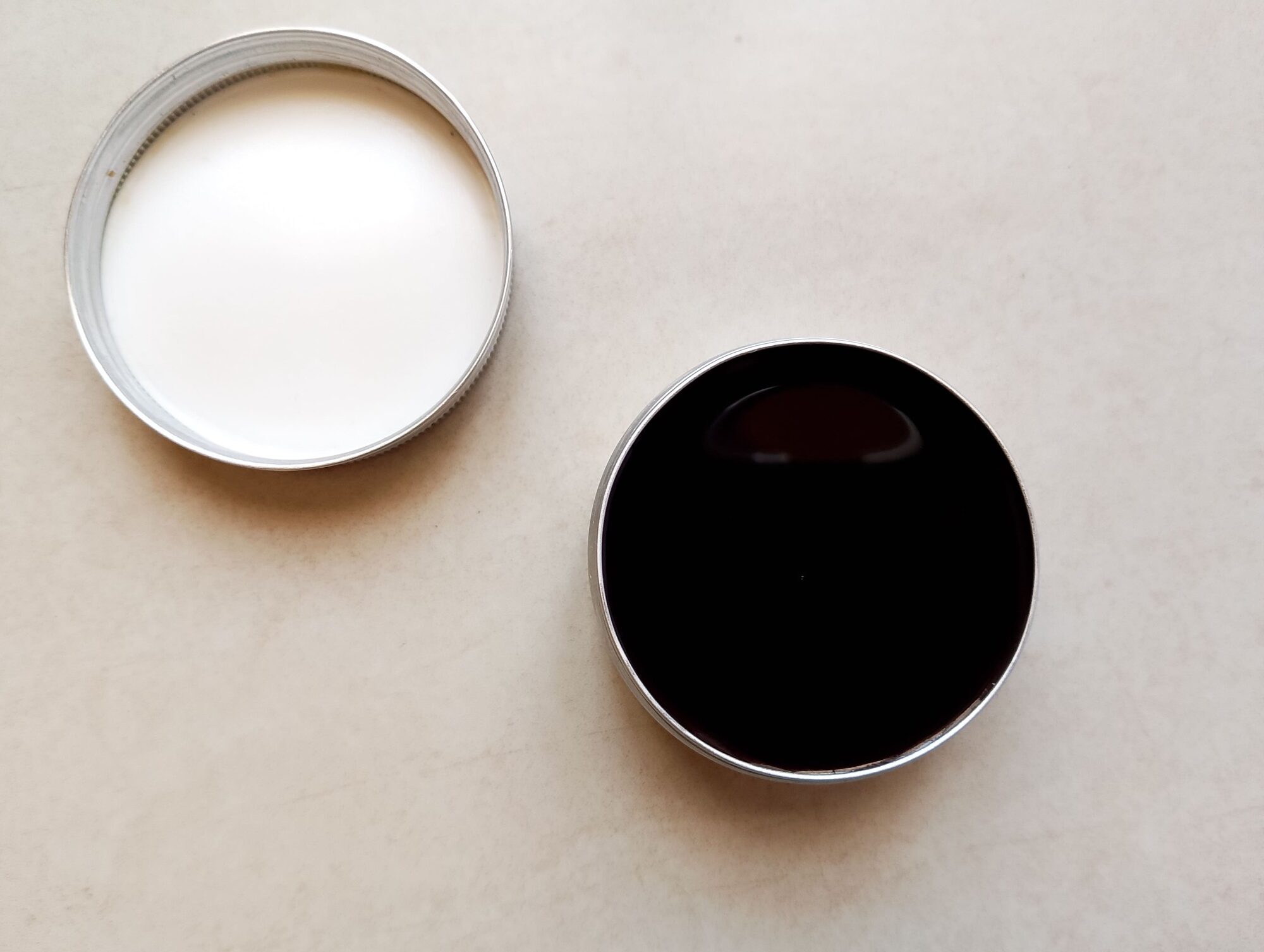
Step 5: Pour the mixture immediately into lip balm tubes or tins. You’ll need to work fairly quickly, as the beeswax begins to set soon after it’s removed from the heat. Allow the lip balm to cool completely before putting the lids or caps on the containers.
How to Customize The Tint
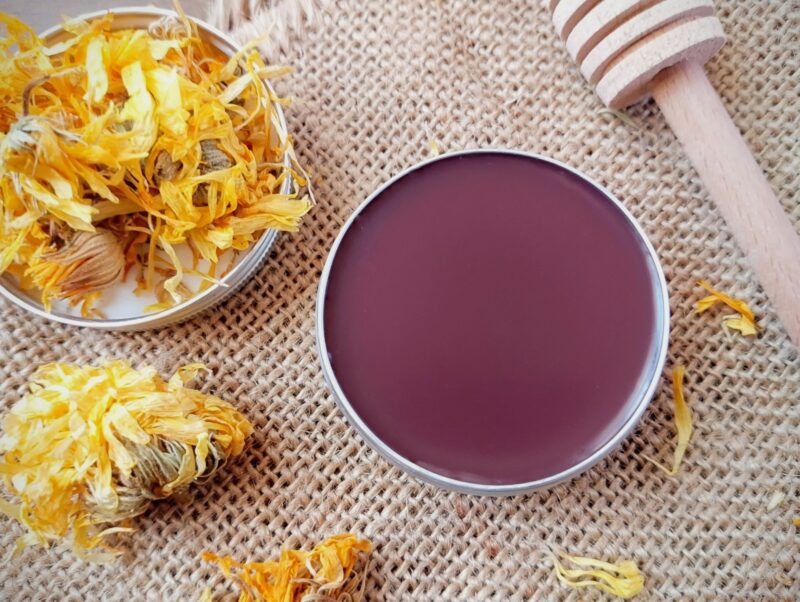
Alkanet root is a natural, plant-based colorant, and a little goes a long way. I use 1 teaspoon in this tallow lip balm recipe, which gives the balm a beautiful berry rose tint.
If you’d like to customize the color, here’s a simple guide:
- ¼ teaspoon: light nude tint
- ½ teaspoon: soft rosy pink
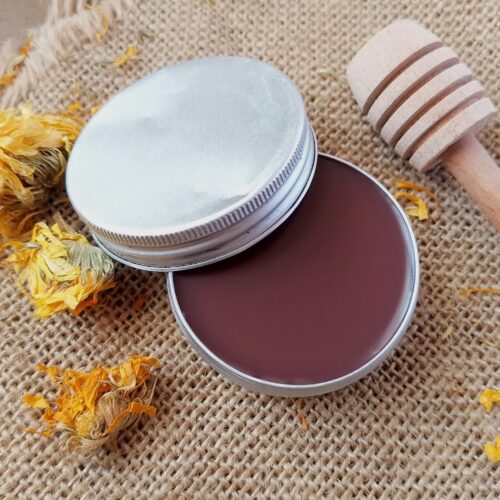
- 1 teaspoon: berry rose (the shade shown in my photos)
- 2 teaspoons: deep plum (this may stain lips and skin slightly)
Keep in mind that the finished lip balm will look much darker in the tin or tube than it does when applied. The color on your lips will be much softer and more subtle.
Tips For The Best Lip Balm
- Use gentle heat. When melting the ingredients in a double boiler, keep the heat on low. Gentle heating helps preserve the quality of the oils and prevents them from getting too hot.
- Pour while the balm is still liquid. Once you remove the mixture from the double boiler, the beeswax begins to set fairly quickly, so have your lip balm tubes or tins ready to fill.
- Keep everything completely dry. Make sure your utensils, jars, and containers are free of moisture. Even a small amount of water can shorten the shelf life of your homemade lip balm.
Variations
One of the things I love about this tallow lip balm recipe is how easy it is to customize. Only three ingredients are truly essential: tallow, beeswax, and a liquid oil such as olive oil. If you don’t have alkanet root powder, vitamin E oil, or essential oils on hand, simply leave them out. Your lip balm will still turn out great.
Instead of calendula-infused olive oil, you can use plain olive oil, jojoba oil, or sweet almond oil.
If you prefer a softer lip balm, reduce the beeswax to 7 grams.
If you live in a hot climate like I do, increase the beeswax to 9–10 grams to help the balm stay firm, even in warmer temperatures.
How to Store Your Balm
Because this tallow lip balm recipe contains no water, it has a naturally long shelf life. When made with fresh ingredients and stored in a cool, dry place away from direct sunlight, it will keep for 9–12 months at room temperature.
For even longer storage, keep the balm in the refrigerator, where it can last for up to 18 months. Adding a small amount of vitamin E oil can also help slow oxidation and extend its freshness.
Avoid leaving your lip balm in a hot car or in direct summer sun, as it may soften or melt. If you’re storing it in a tin, always use clean, dry hands to scoop out the balm to help keep it fresh.
Recipe FAQ
Enjoy Your Homemade Tallow Lip Balm
Tallow and calendula-infused oil are two of my favorite homemade skincare ingredients, and they work beautifully together in this tallow lip balm recipe to nourish and moisturize dry lips. Whether you leave the balm unscented or add a few drops of sweet orange essential oil, it’s a simple, natural lip balm you’ll reach for every day.
If you enjoyed this recipe, I’d love to keep in touch! Every Sunday, I send out a weekly newsletter filled with traditional recipes, natural living tips, and everyday homemaking encouragement for real food-loving mamas like you. I’d love for you to subscribe and join my little community!
More Homemade Skincare Recipes You’ll Love
Tined Tallow Lip Balm
Equipment
- digital kitchen scale
- Small jar
- Lip balm tubes or small metal tin
Ingredients
- 18 grams calendula-infused olive oil (or use plain olive oil)
- 1 tsp alkanet root powder
- 20 grams beef tallow
- 8 grams finely grated beeswax OR beeswax pellets
- 2 grams (about ½ tsp) vitamin E oil
- 4-8 drops sweet orange, lavender, or chamomile essential oil
Instructions
- Place the alkanet root powder and calendula-infused oil in a small glass jar. Set the jar in a saucepan lined with a folded tea towel and filled halfway with water to create a simple double boiler. Heat gently over low heat for 30–60 minutes, stirring occasionally, until the oil reaches your desired color.
- Strain the infused oil through a coffee filter or several layers of cheesecloth to remove the alkanet root powder. Return the oil to the clean jar.
- Add the tallow and beeswax to the infused oil. Return the jar to the double boiler and heat over low until everything has completely melted.
- Remove the jar from the heat. Stir in the vitamin E oil and essential oil, if using.
- Immediately pour the mixture into lip balm tubes or tins. Let the balm cool completely before capping and using.
Notes
- Color: The amount of alkanet root powder determines the tint. Use ¼ teaspoon for a light nude tint, ½ teaspoon for soft pink, 1 teaspoon for a berry rose shade (shown in my photos), or up to 2 teaspoons for a deep plum tint that may stain slightly.
- Optional ingredients: Alkanet root powder, vitamin E oil, and essential oils are all optional. The recipe works well with just tallow, beeswax, and a liquid oil.
- Adjust the firmness: For a softer balm, reduce the beeswax to 7 g. If you live in a hot climate, increase it to 9–10 g to help the balm stay firm.
- Storage: Store in a cool, dry place away from direct sunlight for 9–12 months, or refrigerate for up to 18 months. Use clean, dry hands if storing the balm in a tin.
- Yield: Makes about 6–7 standard lip balm tubes or 1–2 small tins.